

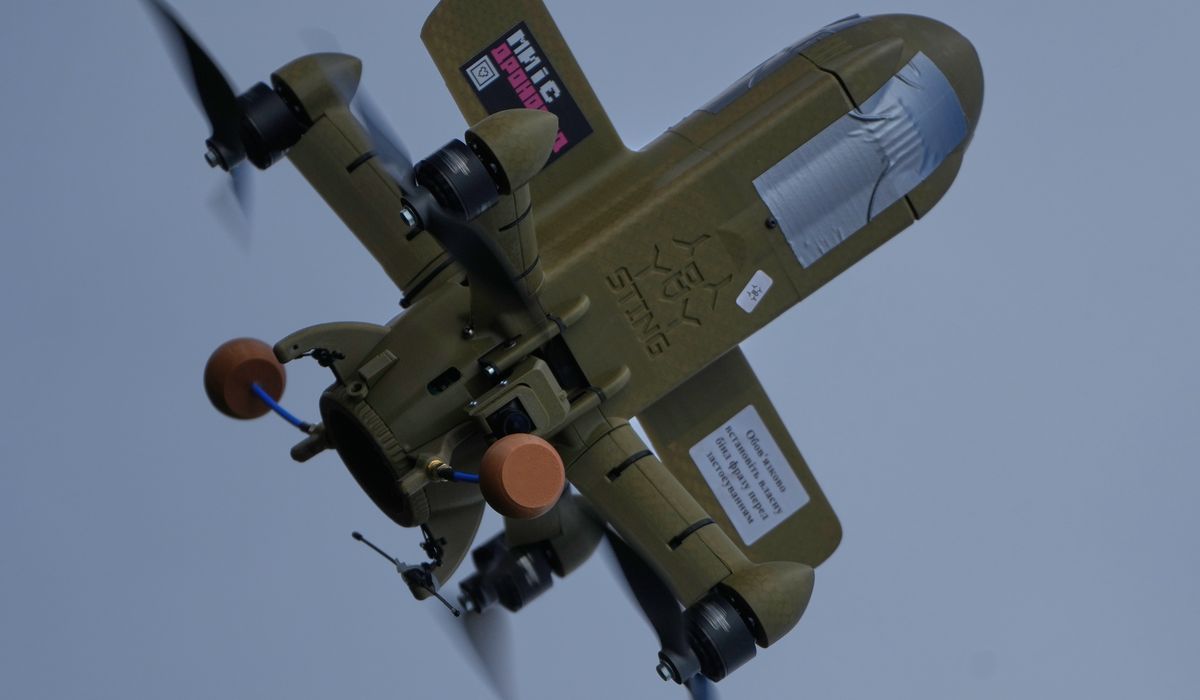
Ukrainian forces have reportedly shot down Iranian-designed Shahed drones in several Middle Eastern countries during the Iran war, President Volodymyr Zelenskyy said, a development that raises fresh questions about Iran’s regional reach and the broader security landscape.
President Volodymyr Zelenskyy said Ukrainian military personnel shot down Iranian-designed Shahed drones in multiple Middle Eastern countries during the Iran war, a claim that highlights how the conflict’s hardware is crossing borders. The involvement of Shahed drones underscores Tehran’s growing role as an arms supplier in regional fights. Those moves matter because drones change how states and proxies project force without committing ground troops.
The Shahed family of drones has become a symbol of asymmetric pressure, able to strike at distance with relatively low cost and modest infrastructure. For conservative observers, that capability reflects a clear policy failure by countries that tolerate or enable Iran’s weapons transfers. When unmanned systems proliferate, the balance of deterrence shifts and escalation risks rise for neighbors and allies alike.
Ukrainian strikes against these drones, if confirmed, show a willingness to push back even beyond Ukraine’s immediate theater, and that posture will appeal to those who prioritize forward defense. Republicans typically favor robust, deterrent responses instead of passivity, and these actions fit that doctrine. They signal that state actors can and will counter threats where they appear, not wait until a crisis reaches home soil.
At the same time, the claim raises operational and legal questions about jurisdiction, coalition coordination, and the rules of engagement. When military activity crosses international lines, transparency matters to prevent miscalculation and to ensure partners are on the same page. Republican viewpoints generally call for clear objectives, allied consultation, and measures that protect both soldiers and diplomatic standing.
Iran’s export of drone technology has become a central challenge for regional security, and it is not limited to a single front or a single pair of adversaries. Tehran’s customers include state proxies and other governments willing to use deniable or proxy warfare, which complicates deterrence and accountability. Facing that diffusion of capability, a straightforward show of strength often becomes the practical answer favored by conservative strategists.
The United States and its partners should be watching these developments closely because the spread of drone technology undermines long-term stability in multiple theaters. From a Republican perspective, intelligence sharing, targeted sanctions on key suppliers, and bolstering allied air defenses make practical sense. These measures aim to constrain adversaries while avoiding open-ended entanglement in every local conflict.
Meanwhile, public statements from leaders like Zelenskyy serve both informational and strategic roles, signaling intent and shaping international perception. Republicans tend to read such statements as part of broader strategic messaging, assessing whether words are backed by consistent action and capability. Credible defense posture and demonstrable pushback discourage would-be aggressors more effectively than rhetoric alone.
Operationally, intercepting and destroying Shahed drones requires surveillance, missile defenses, electronic warfare, and rapid decision-making, which in turn demands investment and interoperability among partners. The ability to execute such missions reflects improved training and cooperation that conservative policymakers often tout as necessary investments. Sustaining that edge means consistent funding and clear policy priorities that align with long-term security objectives.
Finally, this episode highlights the tangled web of modern conflicts, where local wars produce weapons and tactics that ripple across regions and complicate alliances. From a Republican viewpoint, the right mix of conviction, deterrence, and support for sovereign defense will be essential to limit Tehran’s influence and to protect allied interests abroad. The international community faces a choice: accept a world where proxy arms flow freely, or push back with targeted, decisive measures that raise the price of aggression.

