

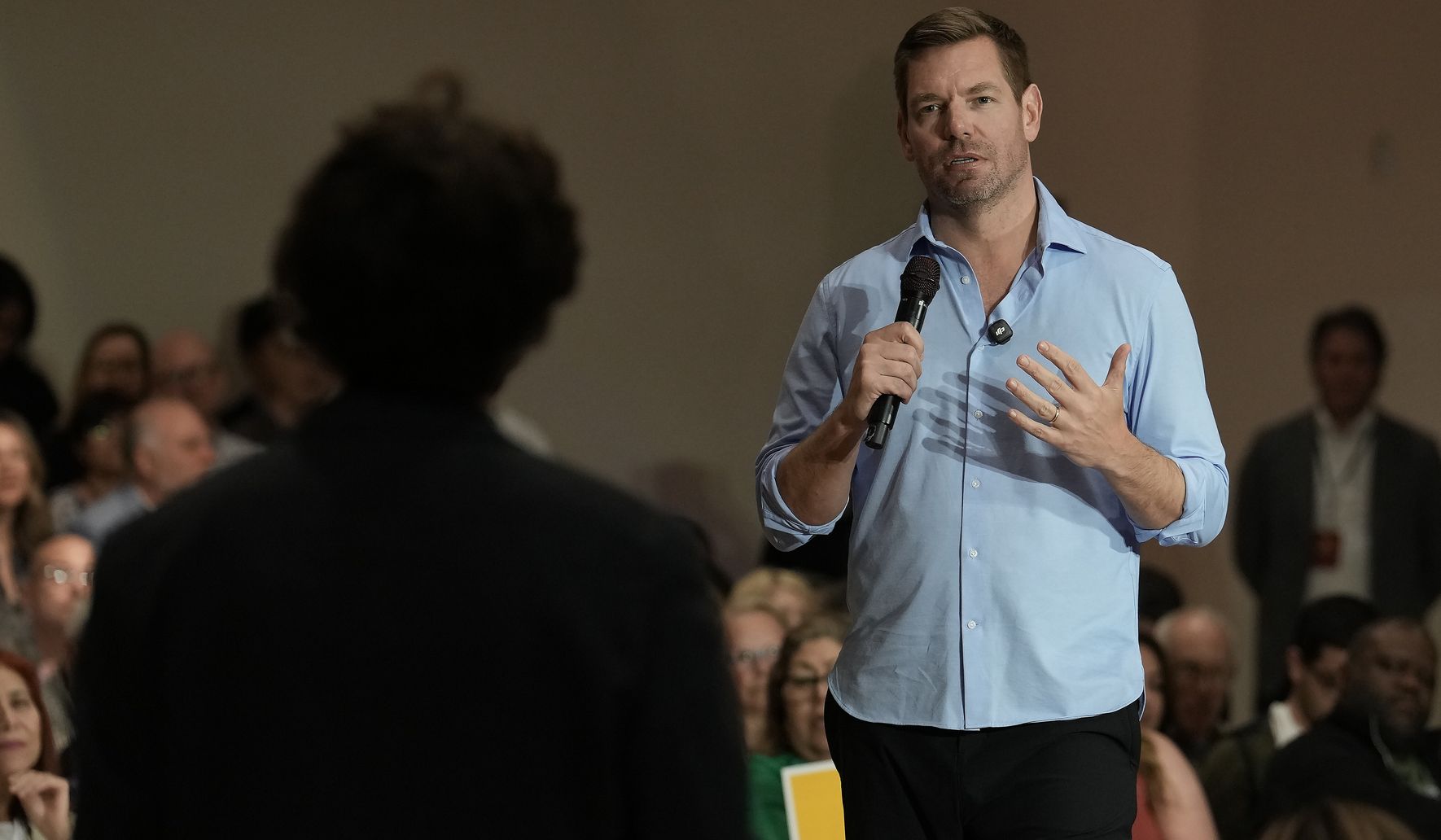
Rep. Eric Swalwell resigned from Congress on Monday amid serious accusations of sexual misconduct, a development that has already generated sharp political reactions and renewed Republican calls for accountability and transparency.
Rep. Eric Swalwell, the California Democrat accused of sexual misconduct and raping a woman who worked in his congressional office, resigned from Congress on Monday. The announcement ended his tenure in the House at a moment when attention was fixed on the allegations and the fallout they produced across Capitol Hill. For many voters and lawmakers, the timing raised questions about oversight and the standards that should govern members of Congress.
Swalwell had been a visible figure in Democratic politics, and his departure leaves a gap both in committee work and in the party’s public lineup. Republicans argued that this episode underscores a pattern of double standards where political status sometimes shields officials from the consequences regular citizens face. That argument fed into calls for a straightforward, evidence-based approach to dealing with misconduct claims, without partisan shielding.
From a Republican viewpoint, the focus is on restoring trust in institutions by insisting on transparent investigations and consistent consequences. Lawmakers on the right pointed to the need for independent probes that are not shaped by political convenience, emphasizing that allegations of this kind must be handled swiftly and publicly. The goal they voiced was simple: make sure the same rules apply to everyone who holds public office.
Accusations like these typically prompt renewed scrutiny of House ethics processes and the mechanisms available to victims and whistleblowers. Republicans noted that when a serious allegation emerges, constituents deserve a clear explanation of what steps were taken, who examined the evidence, and what reforms will prevent similar situations. That scrutiny extends to how party leadership responds and whether commitments to transparency are matched by action.
The political optics are immediate and unavoidable. Democrats now must manage both the loss of a member and the reputational damage that accompanies high-profile accusations, while Republicans aim to convert concern into concrete policy proposals for oversight. Outside of Capitol Hill, voters in Swalwell’s district will be watching how quickly and fairly the transition is handled and whether the process respects both due process and survivor protections.
Practically, his resignation begins a chain of administrative steps to vacate a seat and arrange a successor, and Republicans expect those steps to be carried out without delay. At the same time, the situation renews debate about vetting, internal office controls, and the safeguards in place to protect staffers from harassment or abuse. GOP lawmakers pushed for clearer reporting channels and better protection for staff who come forward with complaints.
Media coverage has been intense and partisan lines are visible in how the story is framed, which is exactly why Republicans insisted on independent fact-finding rather than letting narratives settle without examination. They argued that objective findings, not political spin, should guide any consequences or reforms. That insistence reflects a broader push to make institutional responses less about which party gains and more about what the public deserves.
For constituents and fellow lawmakers, this moment is a test of the system’s ability to address allegations inside its own ranks and then move forward with credibility. Republicans expressed a preference for practical fixes: more transparent ethics proceedings, stronger protections for staff reporting misconduct, and timelines that prevent indefinite limbo. Those measures, they say, will help restore faith in who represents Americans and how those representatives are held accountable.
As the House processes the resignation, expectations from the GOP side center on clear answers and meaningful changes that don’t depend on partisan advantage. Lawmakers emphasized that preventing future incidents requires both accountability for individuals and structural reforms that keep workplaces in Congress safe and accountable. The coming weeks will show whether those calls for reform translate into action or fade once the headlines move on.

