

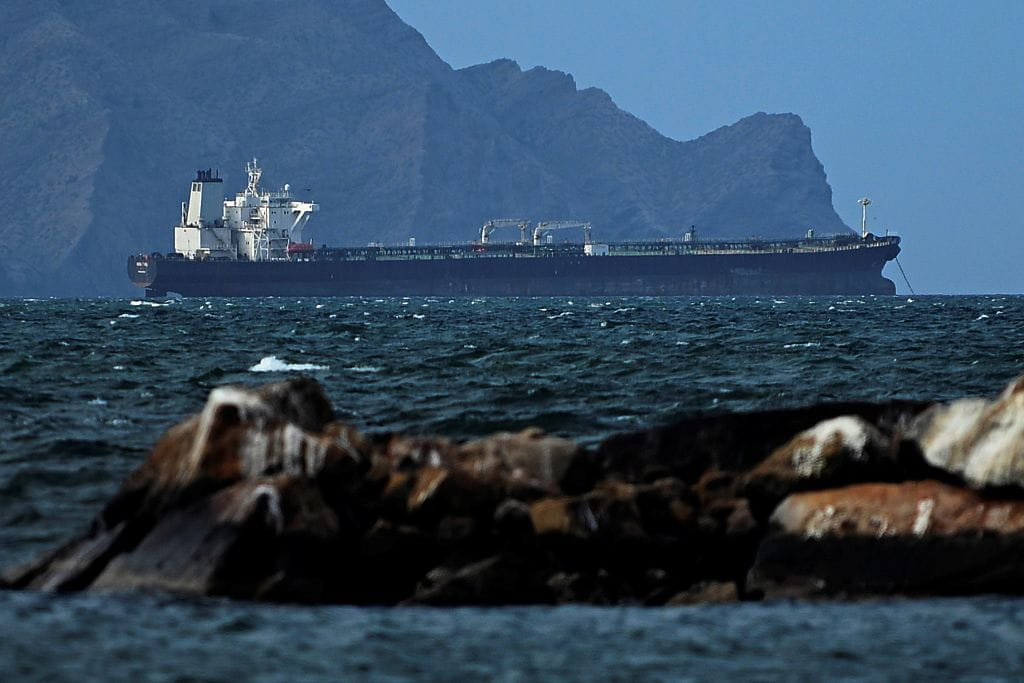
The Strait of Hormuz has been effectively shut for seven weeks, sending tanker traffic and regional production sharply down while global energy prices spike and U.S. businesses and consumers feel the squeeze.
The closure of the Strait of Hormuz has disrupted a key artery of global oil flows and forced a re-evaluation of supply routes. Tanker traffic has cratered and regional output has fallen at a historic pace, creating immediate pressure on markets. The price shock is rippling through industries that rely on steady, affordable energy inputs.
In the United States, companies are already paying more for raw materials and transportation, and households are seeing higher costs at the pump and in utility bills. That familiar pinch brings back memories of the inflationary pressures of recent years. For many small and medium businesses, margin compression is real and immediate.
Global energy prices have rocketed as traders price in the loss of supply that would normally transit the strait. Markets respond fast to chokepoints, and when a route like Hormuz is effectively closed, volatility spikes. Higher prices and jittery markets create uncertainty for investors and manufacturers alike.
Regional production has plunged by the most on record, reflecting both physical constraints on exports and precautionary shutdowns at facilities near security flashpoints. That collapse translates into concrete shortages for countries dependent on Gulf exports, and it puts stress on strategic reserves everywhere. Importers now scramble to source alternate grades and routes, often at a significant premium.
Shipping companies are rerouting around longer and costlier pathways, which adds time and expense to every barrel moved. Insurance premiums jump when chokepoints are active and under threat, and those costs are passed down the supply chain. The net effect is a higher sticker price for energy and the goods that depend on it.
Policymakers should take a hard look at the fragility exposed by this disruption and act to reduce strategic vulnerabilities. Energy independence is not a slogan when ships are stuck and production falls off a cliff. A pragmatic Republican stance emphasizes boosting domestic production and shoring up infrastructure to protect families and businesses.
At the same time, a credible deterrent and a clear security posture in the region are essential to keeping trade lanes open. The private sector cannot bear the full cost of geopolitical risk, and allies must coordinate to secure freedom of navigation. When opponents see resolve, they are less likely to try to choke off commerce.
Short-term relief comes from drawing on strategic petroleum reserves and increasing shipments from alternative suppliers, but those are stopgap measures. Long-term resilience requires investment in both traditional and cleaner energy sources, plus faster permitting for critical projects. Market-friendly policies that incentivize production and diversify supply will lower costs over time.
Businesses can adapt by hedging energy costs, improving efficiency, and reshoring critical parts of supply chains where practical. Those steps reduce exposure to foreign chokepoints and improve predictability for planning and hiring. Congress should clear the path for private investment in energy and logistics to make these adaptations easier and faster.
Consumers will feel the impact in daily life, from commuting costs to the price of basics that depend on transportation fuel. That political reality matters; voters expect leaders to deliver affordable energy and stable prices. A policy mix that accelerates domestic energy output while protecting consumers from market excesses is politically durable and economically sensible.
Markets will recalibrate as new flows are established and inventories stabilize, but the risk of recurring disruptions remains as long as chokepoints exist and geopolitical tension simmers. The quickest path to lasting stability is a combination of strategic deterrence, diversified supply, and robust domestic production. Those are practical steps, not ideological experiments.
For now, expect continued volatility and intermittent price spikes until reliable alternate routes and increased output come online. The immediate weeks ahead will test supply chain flexibility and political resolve. If policymakers move swiftly and intelligently, the worst effects can be mitigated while building greater long-term resilience.

