

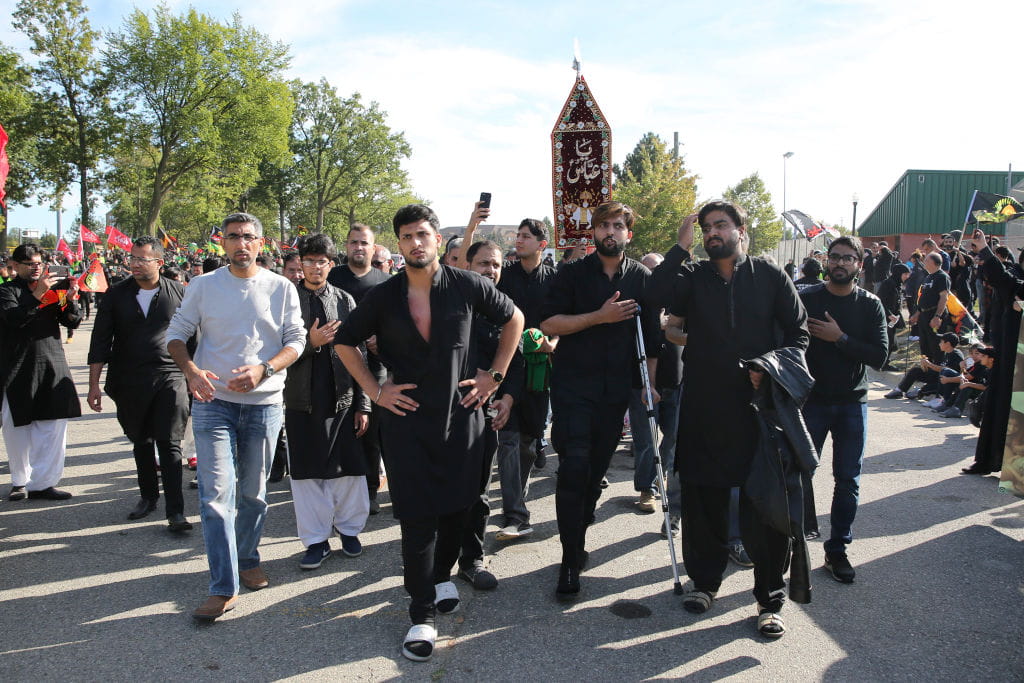
Americans in their own towns are noticing big cultural shifts, and Dearborn, Michigan is a clear example of how rapid demographic change can reshape daily life.
Walk through parts of Dearborn and longtime residents tell a simple story: the town they knew feels different. Stores, streets, and the rhythms of neighborhood life are evolving in ways that can make familiar places feel unfamiliar. For many people this is not an abstract debate about demographics, it is a daily experience that raises questions about community, identity, and local control.
The transformation in Dearborn has been driven by a fast-growing Muslim population and changing immigration patterns, which are altering language use, retail offerings, and cultural norms. That shift has created new vibrancy but also tension, as older residents wrestle with the speed of change and how it affects schools, public spaces, and local customs. The question for residents and leaders is how to manage these changes so they strengthen rather than fracture a community.
One clear fault line is assimilation versus separate social spheres. When newcomers adopt local customs and participate in civic life, towns adapt more smoothly. When institutions and public expectations change without broad community buy-in, people can feel excluded. Conservatives argue that successful integration depends on a shared civic culture built around language, respect for the law, and participation in local institutions.
Local politics in places like Dearborn reflect these tensions. City councils, zoning boards, and school districts become arenas where cultural disputes take on concrete consequences. Decisions about language accommodations, school curricula, and public signage are not just technical choices. They shape how comfortable residents feel in their daily lives and whether public institutions serve everyone equally.
Economic change plays a role too. Small businesses morph to meet new demand, and that can be positive for consumers and entrepreneurs. At the same time, long-established stores that once anchored neighborhoods can vanish, taking with them community touchpoints. Conservatives point to policies that prioritize small business stability, property rights, and predictable regulation as ways to ease transitions and keep neighborhoods economically healthy.
Public safety and the perception of safety are also affected by rapid demographic shifts. Police-community relations depend on trust built through consistent enforcement of the law and accountable local institutions. When residents feel law enforcement is responsive to everyone, tensions ease. Where trust breaks down, even minor disputes can escalate into broader concerns about who is in charge of the town’s public order.
Education is another central battleground. Schools teach the next generation how to live together, but dramatic classroom changes can provoke anxiety among parents about curriculum and standards. Policies that emphasize civic literacy, English proficiency, and shared civic values tend to be popular with those worried about losing common ground. Republicans generally favor clear expectations that promote assimilation into an American civic culture rather than deep segregation of schooling along cultural lines.
Civic engagement remains the practical solution to many of these issues. Voting, attending meetings, volunteering in schools, and supporting neighborhood organizations are ways residents can influence how change unfolds. At the same time, local leaders must balance welcoming newcomers with protecting the traditions and legal norms that define the community. That balance is fragile when demographic shifts happen quickly.
Ultimately the situation in Dearborn is an American story about managing big change at the local level. The challenge is to keep open commerce and cultural exchange while ensuring everyone living in the town feels secure, heard, and bound to the same civic rules. For communities across the country, the coming years will test whether local institutions can adapt fast enough to maintain cohesion without erasing what made those places home in the first place.

