

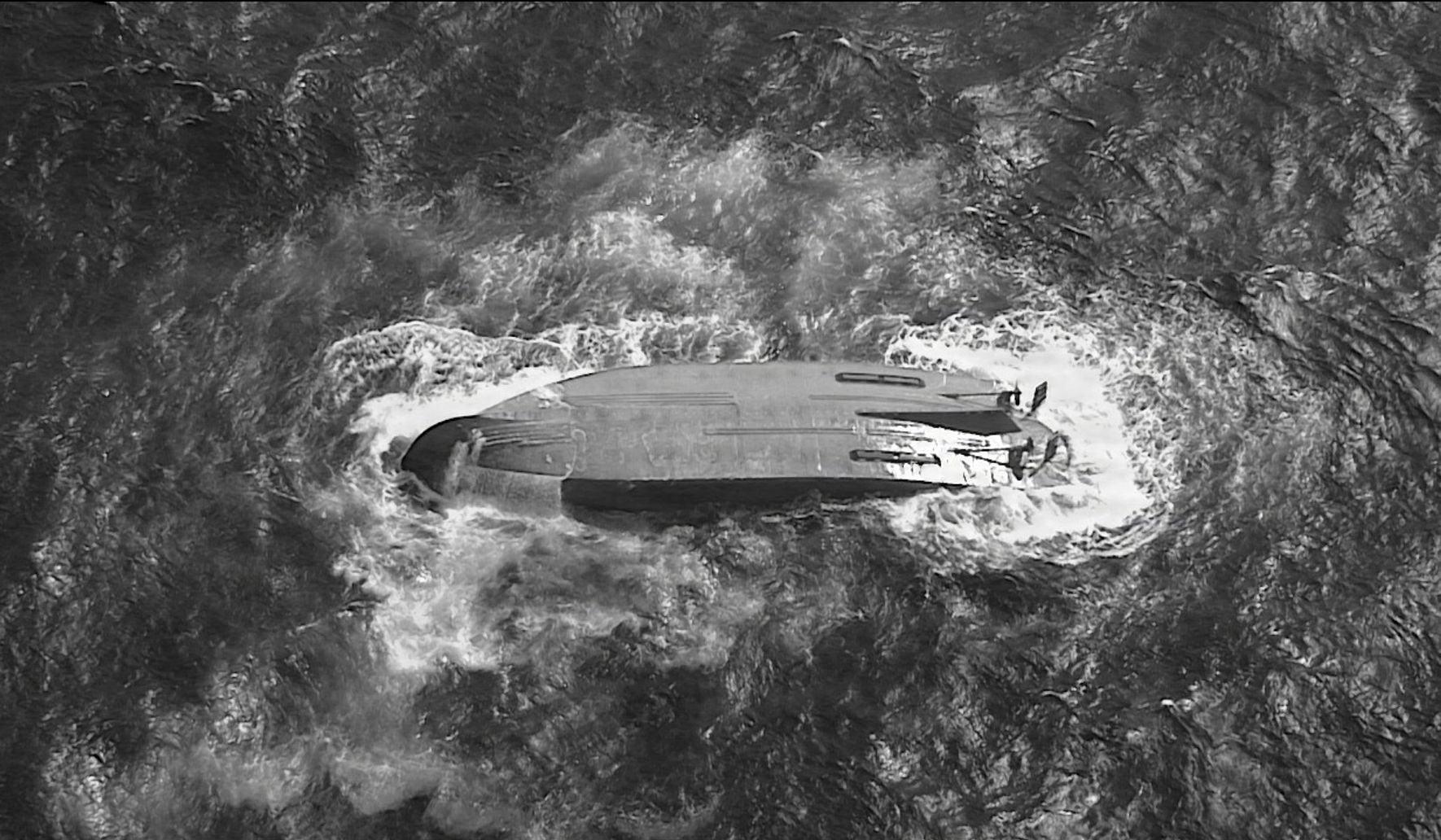
An overturned ship discovered off Saipan after a typhoon has been identified as the vessel that went missing with six people aboard, the U.S. Coast Guard confirmed Monday.
Officials say the capsized vessel was located near the U.S. territory of Saipan in the wake of a powerful typhoon that battered the region. The U.S. Coast Guard confirmed Monday that the overturned ship is the same vessel reported missing with six people on board, setting off renewed search and response activity.
Local responders and federal crews converged on the area after aerial and surface searches turned up the wreckage in coastal waters. Teams faced rough seas and debris left by the storm, which complicated immediate access and assessment of the hull and any possible survivors.
Search and rescue units are following established procedures to secure the scene, check for trapped occupants, and gather evidence that could explain how the boat capsized. The U.S. Coast Guard and local authorities are coordinating to bring divers and investigators in once conditions permit safer operations.
Authorities have been careful to avoid speculation about causes while emphasizing that weather was a major factor in the incident. Typhoons can produce sudden shifts in wind and current, and responders note that damaged navigation aids and floating debris increase risk for small vessels during and after a storm.
Efforts now include documenting the vessel’s condition, photographing damage, and cataloging equipment and personal items that remain on board or nearby. That work helps build a timeline of events and supports any future forensic or legal inquiries about the voyage and decisions made before the storm.
Family members of the missing are being notified and assisted by local agencies, and officials say they will be updated as recovery and investigative steps proceed. Crisis counselors and liaison officers are typically assigned in such cases to ensure families receive timely information and support through the process.
In addition to human-search efforts, teams are monitoring the area for environmental hazards, such as fuel leaks or trapped hazardous materials. Containment and cleanup plans may be activated to protect coastal ecosystems and the islands where residents and resources can be affected by pollution from a damaged vessel.
Investigators will look at the vessel’s maintenance records, load and passenger manifest, and any communication prior to the storm to determine what happened. Those records, combined with weather data and witness reports, are standard pieces of the puzzle when maritime accidents occur during extreme conditions.
Saipan and nearby islands rely on maritime traffic for transportation and supplies, so the incident has raised concerns about emergency readiness and coordination in severe weather. Officials often review response performance after such events to identify any gaps in evacuation messaging, search protocols, or resource staging.
The Coast Guard’s confirmation Monday makes the discovery official, but it also marks the start of a longer period of work to bring closure and answers to the families involved. As teams process the scene and the local community recovers from the typhoon, authorities say they will share information as it becomes available and appropriate.
Storm-related maritime incidents are reminders of how quickly conditions can shift at sea and why adherence to safety guidance is critical during storm seasons. For coastal communities across the Pacific, this event will likely prompt renewed emphasis on preparedness, vessel safety checks, and clearer guidance for travel when storms are forecast.

