

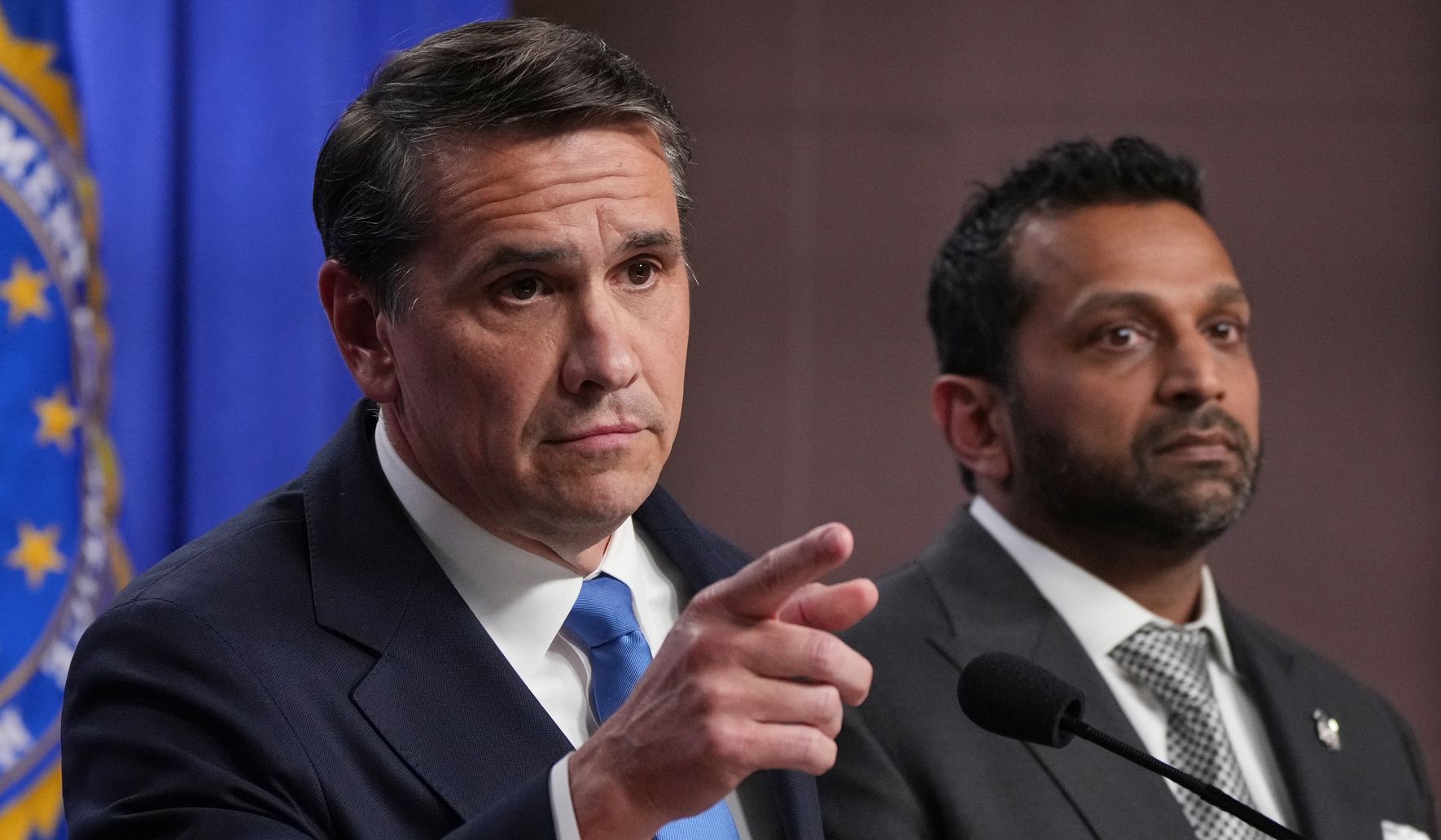
FBI Director Kash Patel publicly denied a media claim that he was drunk on the job, angrily pushing back at reporters and insisting his conduct has been professional and sober.
FBI Director Kash Patel confronted reporters Tuesday after a story alleged he had been intoxicated while working, and he did not hold back. He disputed the report forcefully, portraying it as a smear that threatens both his reputation and the integrity of the agency. His response was sharp and pointed, leaving little doubt that he views the item as outright false.
Patel made a direct denial on the record, and his tone reflected the seriousness with which he treated the allegation. He emphasized that he has always approached his duties with sobriety and focus, pushing back against what he described as irresponsible coverage. In his remarks he reaffirmed his commitment to leading the bureau without distraction.
The episode raises questions about how such stories make their way into the press and what standards reporters use when dealing with serious accusations against public officials. Conservatives have long argued that some media outlets substitute rumor and innuendo for verification, and this incident feeds that narrative. If true, readers deserve to know how verification failed and why an unverified allegation was published.
Patel’s reaction also reflects a broader concern among Republicans about the weaponization of media narratives to damage officials who challenge entrenched interests. From this perspective, the story looks less like routine reporting and more like an attempt to kneecap a director whose priorities may not align with certain reporters. That fuels calls for clearer accountability and fairer treatment in political coverage.
Beyond political spin, there are practical consequences when a director’s sobriety is called into question in public. Even an unfounded story can sap institutional confidence, distract staff, and provide fodder for opponents. Patel and his supporters argue that defending his reputation is essential not just for him personally but for the morale and effectiveness of the bureau he runs.
At the same time, the press has a duty to correct mistakes swiftly and transparently when they occur. Readers and citizens expect better than sloppy sourcing or hurried conclusions, especially on issues that can damage careers and public trust. The healthier approach is for newsrooms to be meticulous and for officials to be straightforward about investigations into reporting processes.
Patel’s comments included a striking line that illustrates his position: “he’s not only never been intoxicated while working but he'”. That fragment, awkward as it may read out of context, underscores his insistence on complete denial. Whether the media outlet that ran the item will retract, clarify, or double down remains to be seen, but the director has made his stance clear.
The battle over this story is a reminder of how quickly reputations can be tested and how partisan lenses shape the public’s reaction. For those on the right, Patel’s forceful denial is proof that the media must be held to account when coverage tilts toward sensationalism. Meanwhile, the bureau must continue its work under scrutiny without allowing unfounded allegations to dictate its agenda.

