

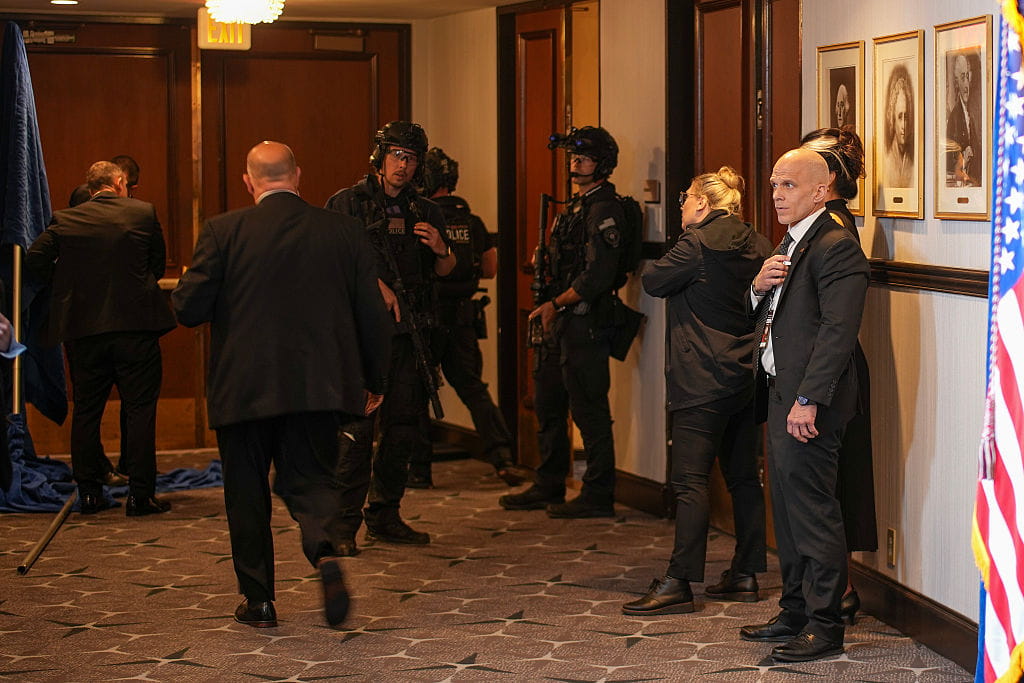
Shots were fired near the White House Correspondents’ Dinner, authorities say; the president and his guests walked away unharmed while a fast-moving law enforcement response secured the area and launched an investigation.
On Apr 26, 2026, an alarm rippled through the blocks around the dinner when gunfire was reported close to the event. Law enforcement swarmed the scene quickly, and officials moved to secure the perimeter and clear attendees. The tense situation played out in real time with authorities working to identify where the shots came from and who was involved.
“Neither the president nor his guests were harmed.” That exact sentence was repeated by officials as they confirmed the most important fact: no known injuries among the people at the dinner. Still, the presence of gunfire at such a high-profile, secure event demands answers and a thorough accounting of what went wrong. The nation watched closely as protection teams and police coordinated the response.
Initial reports said officers chased a possible suspect and swept nearby buildings and alleys, searching for evidence and securing witnesses for interviews. Surveillance footage and radio traffic will matter in reconstructing the minutes before and after the shots. Investigators also face the challenge of separating rumor from fact when events unfold under heavy media scrutiny.
Staffing, screen lines, and the pattern of movement in the area now get new attention from watchdogs and lawmakers. Republicans will argue that this incident exposes gaps in pre-event checks and local coordination that should not exist around the president. There are practical questions about how perimeter control was managed and whether plainspoken accountability will follow.
Security officials insist on a careful, methodical probe before assigning blame or revealing tactical details. That is reasonable up to a point, but the people deserve a prompt public accounting of what safeguards failed and what changes are coming. Transparency helps restore confidence, and answers matter to future planning for any event involving top officials.
On the political side, this kind of incident becomes fuel for broader debates over homeland security and public safety policy. Republicans will press for stronger responsibility at the agency and local level, pushing the case that operational failures, not partisan talking points, should guide reform. Immediate fixes might include tighter screening routes and clearer chains of command during mass events.
Meanwhile, the investigation will move through forensic analysis, ballistics, witness statements, and electronic data. Authorities will review gunshot detection systems, camera feeds, and comms between federal and local units. That technical work takes time, but it will create the factual backbone for any policy proposals or personnel decisions that follow.
Civilians and media members who were close to the action described confusion and rapid instruction from officers directing people away from danger. Those on the ground saw the protective apparatus respond, and that response will be judged against the question of why gunfire occurred at all. Public safety isn’t just about reaction; it’s about prevention, and prevention must be front and center now.
As the probe continues, expect demands for candid briefings and concrete steps to prevent a repeat. Officials will undoubtedly emphasize investigative prudence, but the public expects practical remedies and a visible tightening of security protocols. The coming days will show whether policymakers treat this as an isolated scare or as an urgent call to strengthen protections around national leadership.

