

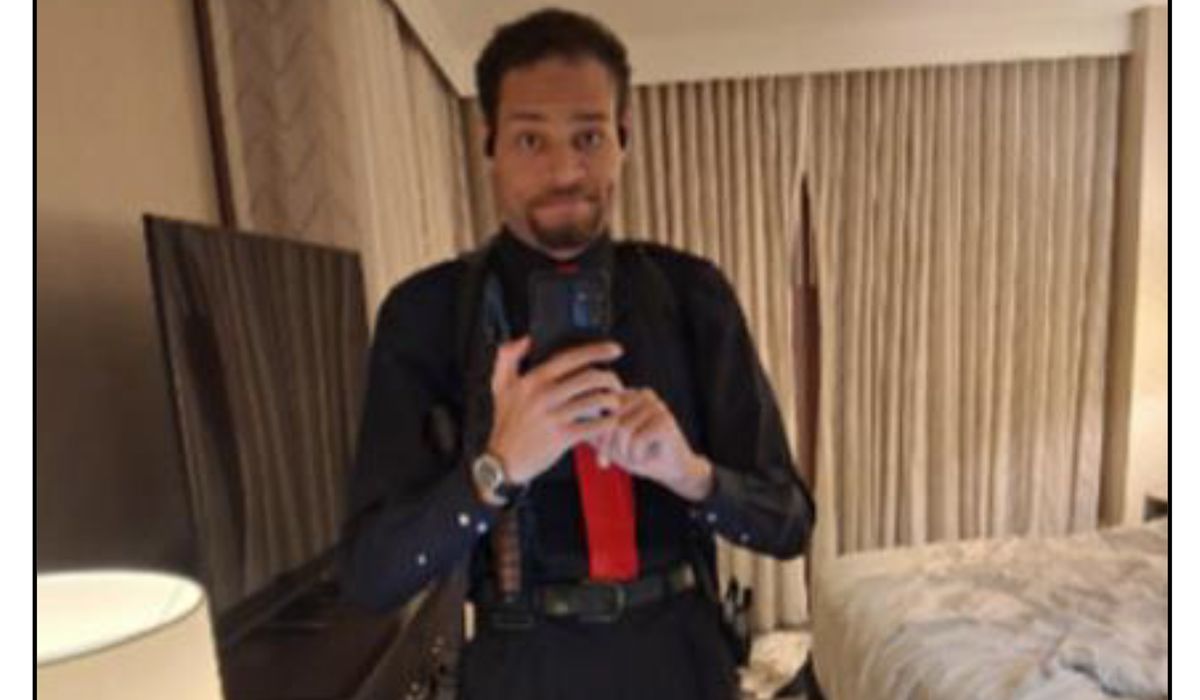
A man accused of breaching Secret Service lines and carrying weapons at a high-profile White House event has pleaded not guilty, raising urgent questions about security and the legal road ahead.
The man accused of sprinting past the Secret Service with guns and knives and attempting to assassinate President Trump at the White House Correspondents Association Dinner pleaded not guilty to four. The brief courtroom appearance set the stage for a high-stakes federal case that will test how seriously law enforcement treats threats to national leaders. Details of the alleged attempt and the defendant’s background are now central to both the investigation and the public conversation.
Federal prosecutors say the suspect moved quickly through a secure area, armed and intent on violence, while agents scrambled to respond. Those facts, if proven, point to systemic gaps that demand answers, not excuses. At this stage the defendant has entered a formal denial and the justice system will take its course after the arraignment.
The accusations include multiple counts consistent with a planned attack and weapons violations, and the courtroom filing lists four charges connected to the incident. Defense counsel has rejected the government’s allegations and entered a not guilty plea on the defendant’s behalf. That posture guarantees a contested process where evidence, timing, and chain of custody will matter a great deal.
From a Republican viewpoint, the gravity of an alleged attempt on a former president or presidential candidate cannot be overstated, and the response should be direct and uncompromising. The incident highlights not only the immediate threat but also how vulnerabilities can ripple across public events and political gatherings. Lawmakers and security officials will be pressed for clear explanations and decisive fixes.
Secret Service procedures are built on anticipation and layered defenses, yet this case suggests someone may have exploited a weak link in the chain. Officials will need to account for guard placement, screening protocols, and communications that did or did not happen in real time. Accountability matters because the credibility of protective services depends on their ability to learn and improve after failures.
Politically, the case lands at a sensitive moment, and partisan reactions will be loud and fast, but the legal facts should drive the public record rather than spin. Republicans will push for strict enforcement and transparent reviews, while opponents will look to criticism and process to press their points. Regardless of perspective, the judicial system must confirm what happened and why through sober, documentable steps.
The criminal process will focus on proving intent, possession, and any actions taken toward carrying out violence, and that is a high bar prosecutors seek to meet with surveillance, witness testimony, and forensic evidence. Defense teams will test every piece of that case, aiming to separate suspicion from proof. Expect motions, discovery fights, and a careful parsing of what agents saw and when they reacted.
For the public, this episode is a reminder that headline events can attract dangerous actors and that risk assessment is not optional for event planners or security agencies. Organizers will revisit guest lists, credentialing, and perimeter control, and the lessons learned here could change how future gatherings operate. Officials owe the public clear, factual answers about any breakdowns in protection.
Media coverage will inevitably shape perceptions, but the written record in court filings will be the key to understanding the timeline and the evidence. Journalistic scrutiny is appropriate, but it should aim for accuracy over sensationalism, especially when allegations involve national leaders. As the legal process advances, each filing and hearing will narrow the cloud of speculation and build a clearer picture of what took place.
Investigators and prosecutors have months of work ahead to compile evidence, respond to challenges from the defense, and prepare for motions and possible trial schedules. If the government proceeds, the case will provide a detailed account of the event that must withstand legal testing and public scrutiny. The safety of public officials, the integrity of protective agencies, and the transparency of the legal process are all on the line as this matter moves forward.

