

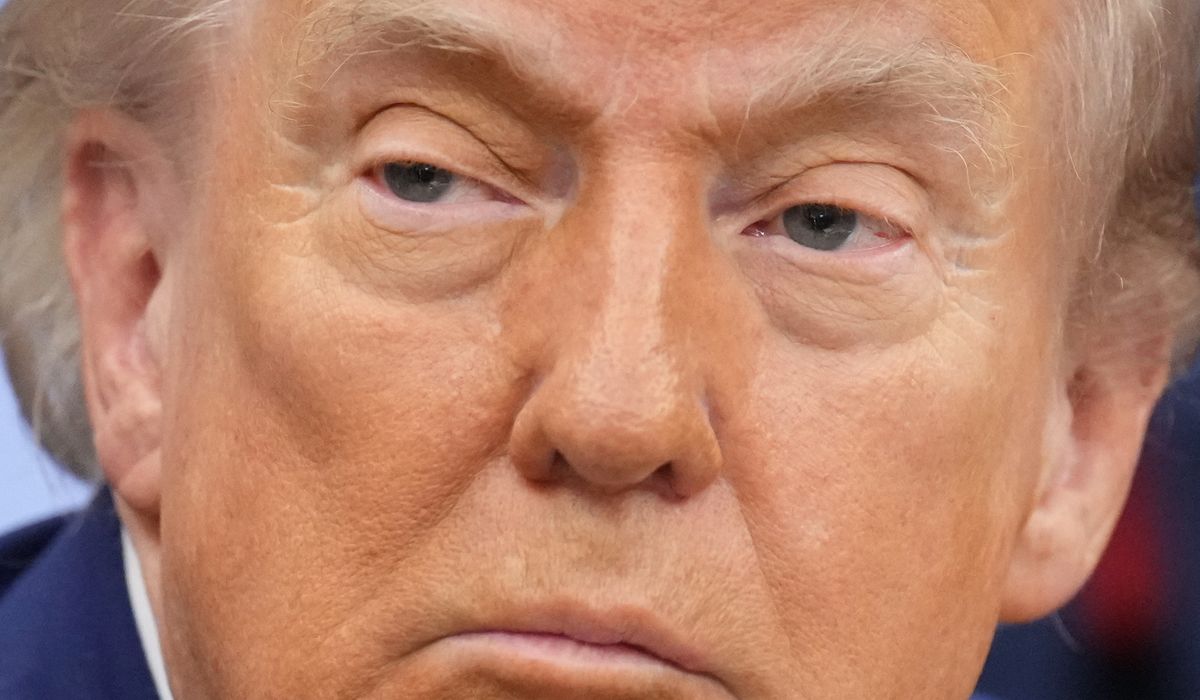
President Trump is scheduled for a medical and dental evaluation at Walter Reed National Military Medical Center later this month, the White House announced late Thursday, and the visit will follow standard procedures for routine presidential health checks.
The announcement that President Trump will visit Walter Reed for a combined medical and dental exam is straightforward and expected for any commander in chief. Walter Reed is the designated facility for high-level medical care and routine presidential assessments, so the choice of location is routine and practical. The White House delivered the news late Thursday with calm timing, signaling this is a planned, not emergency, appointment.
These kinds of evaluations are part of maintaining continuity and readiness, and they provide a baseline that staff and physicians can rely on. A medical checkup ensures the president is fit to carry out daily duties and travel obligations. The dental portion is equally important because oral health can affect overall well being and recovery from minor illnesses.
From a Republican perspective, routine transparency about the president’s schedule and health is sensible and stabilizing. The White House releasing the timing and purpose of the visit helps head off speculation and rumors. Clear, factual updates from official channels underline the professionalism of the office and the medical teams involved.
Walter Reed brings decades of experience handling the unique health needs of senior officials, and its staff understand the security and confidentiality such visits demand. The facility is equipped to do comprehensive evaluations quickly and discreetly, which minimizes disruption to presidential activities. Having those resources nearby is a practical asset for any administration.
This trip will likely include standard cardiovascular screening, blood work, and an assessment of any ongoing conditions that need monitoring. Dentists will check for issues that could interfere with comfort or with communication. The combined review gives a quick snapshot of health status and helps planners make informed decisions about scheduling and travel.
Politically, a routine medical visit gets interpreted in many ways, but the most straightforward reading is the correct one. Officials scheduling regular checkups demonstrates duty and good management. It also reassures allies and staff that contingency plans rest on up-to-date, professional medical advice rather than speculation.
Presidential health updates often attract attention because voters expect leaders to be ready and reliable. The public benefits when medical updates are prompt and factual, and the White House statement fits that standard. Keeping the process routine prevents unnecessary media drama and lets professionals do their work on the record.
Historically, presidents have used Walter Reed for both urgent care and preventive maintenance, and doing so now follows a long precedent. That continuity matters not just for optics but for operational effectiveness. When health professionals and executive staff coordinate well, the administration stays focused on governing without avoidable distractions.
Timing the appointment for later this month gives the staff flexibility to prepare and to line up any necessary briefings or travel adjustments. It also gives medical teams a clear window to run the usual battery of tests that benefit from careful scheduling. The straightforward announcement by the White House suggests confidence that this will be a routine part of the president’s calendar.
Routine care at Walter Reed is a functioning element of a stable presidency and a reminder that practical steps keep the machinery of government running. Health transparency done professionally builds trust and avoids the rumor mill. The administration’s handling of the announcement reflects a disciplined approach to managing both public information and the president’s responsibilities.

