

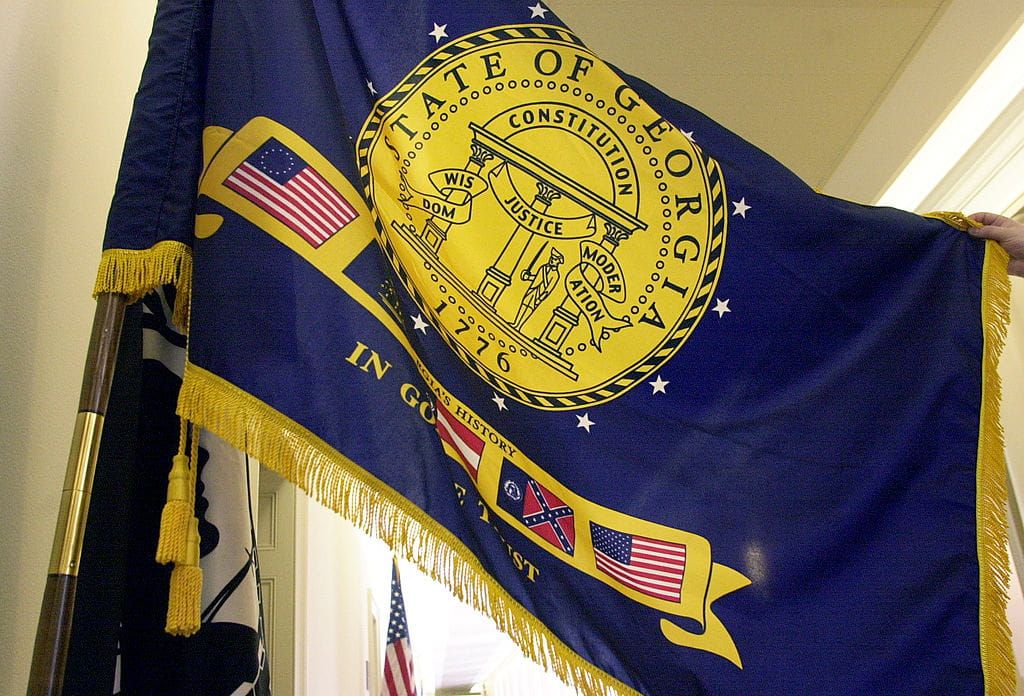
Republicans watching the Georgia governor’s race see a potentially decisive moment as an illegal immigration flap forces candidates to clarify whether they will match words with actions on border and enforcement policy.
“Saying one thing and doing another is bad enough, but to deny it even matters may be the worst move of all.” That line captures why the illegal alien imbroglio has turned into a live issue in Georgia politics. Voters want consistency: tough talk on border control from a candidate must be backed by plans and past records. When that consistency is missing, conservative voters smell weakness and start looking for alternatives.
The episode has exposed a split between rhetoric and record, and it gives Republicans an opening to press competence over theatrics. Candidates who champion law and order can use specifics to draw a contrast: enforcement priorities, state-level support for local law enforcement, and policies to prevent sanctuary practices. Those are practical items voters understand, and they drive home the point that security is not a slogan but a deliverable.
Local officials and sheriffs expect the governor to back them up with enforceable policies rather than finger-wagging statements. Conservatives want clarity on whether a candidate will support E-Verify, prioritize deportation cooperation, and fight federal inaction through state solutions. This isn’t about scoring points; it’s about protecting communities and ensuring state resources aren’t strained by uncontrolled crossings.
Political consequences are real and immediate. A perceived tolerance for illegal immigration can depress GOP turnout in suburbs and rural counties that swung the state to Republican candidates in recent cycles. That undercuts the party’s ability to hold statewide offices and threatens long-term conservative policy goals in Georgia. Candidates who take a hard, consistent stance can energize the base and neutralize appeals to independent voters worried about public safety.
Republican organizers are also watching candidate responses for signs of strategic discipline. When a campaign shifts positions or downplays its own statements, rank-and-file activists ask whether that team can sustain a tough message in November. A governor who wavers now may falter when the legislature needs bold action, and primary voters are quick to punish inconsistency at the ballot box.
Media narratives sometimes try to frame these disputes as petty or performative, but Georgia voters have practical concerns tied to jobs, schools, and public services. That reality gives conservatives a clear script: emphasize enforcement, fiscal responsibility, and support for law-abiding citizens. Bringing evidence and plans to the debate—budget impacts, enforcement tools, and timelines—beats endless accusations and forces opponents to defend their records.
There is a broader lesson for Republican candidates beyond this race. Running hard on competence and delivery resonates if you can point to real policy moves that protect communities without overpromising. Voters can distinguish between showmanship and substance, and the conservative coalition grows stronger when candidates offer both principle and practical steps. That combination is what turns issue attention into durable support.
Grassroots activists in Georgia already are mobilizing around enforcement and border accountability, and they expect candidates to match their energy with policy clarity. That pressure matters in primaries and general elections because it shapes fundraising, endorsements, and turnout models. Candidates who underestimate organized conservative voters do so at their peril.
As this imbroglio plays out, the state GOP faces a choice: demand clear, enforceable commitments and reward consistency, or accept fuzzy answers and risk alienating voters who want action. The coming weeks will show whether candidates can rise to the moment by laying out credible plans and standing by them under scrutiny.

