

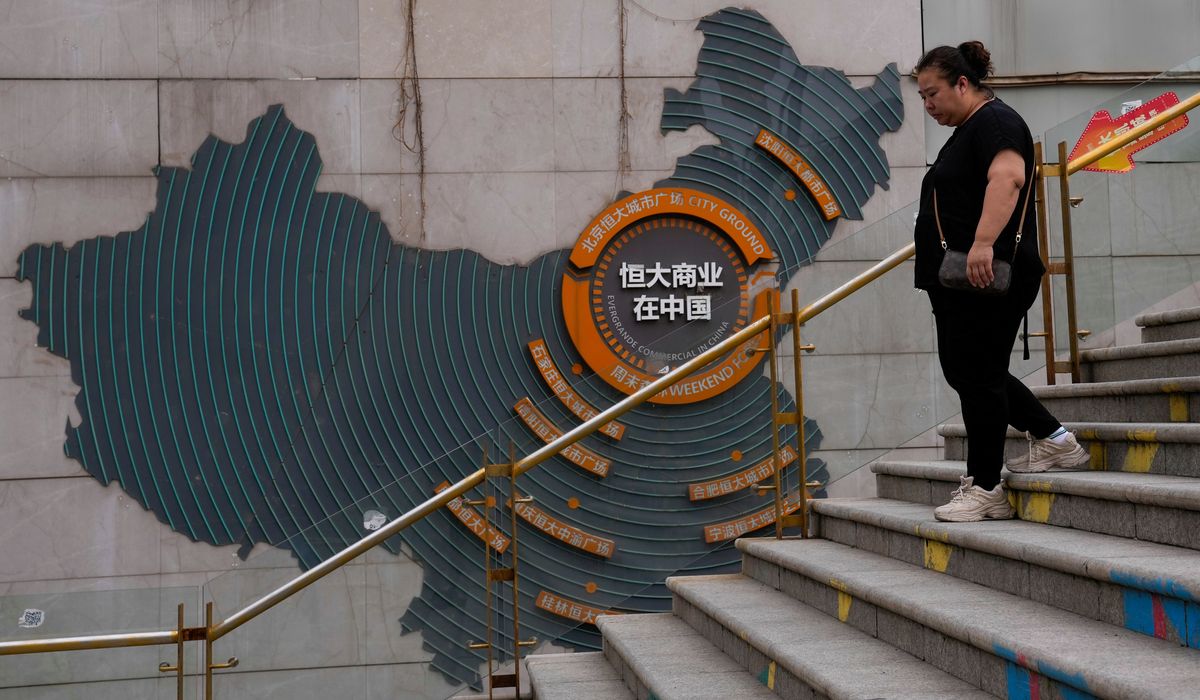
Liquidators of China Evergrande are pursuing 57 billion yuan from PwC, and the dispute landed in a Hong Kong courtroom, touching on audit responsibility, creditor recoveries, and the wider fallout from the developer’s collapse.
Liquidators of the failed Chinese property developer China Evergrande are seeking 57 billion yuan ($8.4 billion) from accounting firm PwC over its auditing work, a Hong Kong court was told on Monday. That single line sums up a legal fight with big-dollar implications for creditors, auditors and the market that once treated Evergrande as a pillar of China’s real estate boom. Everyone watching sees a test of how far auditors can be held to account when giant companies implode.
Evergrande’s unraveling began as a liquidity crisis and ballooned into a symbol of trouble across China’s property sector, leaving investors and suppliers chasing payments. The company’s complex web of debt and projects meant losses rippled through banks, contractors and buyers who had paid deposits. Against that backdrop, the claim against PwC raises questions about whether auditing inspections could or should have flagged problems sooner.
The liquidators seek damages tied directly to PwC’s audit work, asserting that mistakes or omissions contributed to the scale of losses. Auditors provide assurance that financial statements tell the truth to stakeholders, and when a debtor collapses the adequacy of that assurance comes under scrutiny. The proceedings in Hong Kong will test legal standards for proving causation between an audit and subsequent investor or creditor losses.
Pwc will likely mount a vigorous defense, pointing to the limits of an audit engagement and the challenge of spotting concealed or rapidly escalating risk. Accounting firms commonly rely on management representations and available evidence, and they argue they cannot predict every business outcome. In the courtroom, technical accounting standards, scope of work and the reasonableness of professional judgment will all be examined.
For creditors and property buyers who lost money, the prospect of recovery against a major international auditor is compelling but uncertain. Recoveries in such suits can be hard to achieve because plaintiffs must show both fault and proximate cause for their losses. Even so, a successful claim could shift how losses are allocated and reshape expectations for accountability in cross-border insolvencies.
Regulators and the audit profession will be watching closely because a judgment either way could influence future oversight and risk management. If courts deem the auditor liable for such a large sum, audit firms might change how they document work, increase reserves for litigation, or alter client selection. On the other hand, a dismissal or limited liability result could reinforce existing boundaries around audit responsibilities.
There are broader market implications to consider as well, especially in Hong Kong where international investors rely on robust legal remedies. A clear ruling on auditor liability could affect the perceived safety of investing in firms listed or operating through Hong Kong. That could increase due diligence costs and change relationships between auditors, issuers and creditors in the region.
Industry observers note the reputational damage that even headline lawsuits can inflict on a global auditor, regardless of the final ruling. Firms like PwC must weigh the immediate legal defense against long-term trust among clients and regulators. Meanwhile, liquidators aim to maximize returns for creditors, and pursuing major targets is part of that strategy.
The case also raises procedural questions about jurisdiction, evidence gathering and cross-border cooperation in complex insolvency claims. Hong Kong courts are experienced with international commercial disputes, but assembling proof that meets civil law standards will be demanding. Witness testimony, internal documents and expert accounting analysis are likely to dominate the litigation phase.
Whatever the outcome, the dispute underscores the high stakes involved when major developers fail and the ripple effects touch global professional services. Investors, rating agencies and the construction supply chain will keep a close eye on rulings that clarify who bears responsibility for assessment failures. For now, the claim seeking 57 billion yuan keeps the spotlight on both Evergrande’s fallout and the accountability of firms that audit large corporations.

