

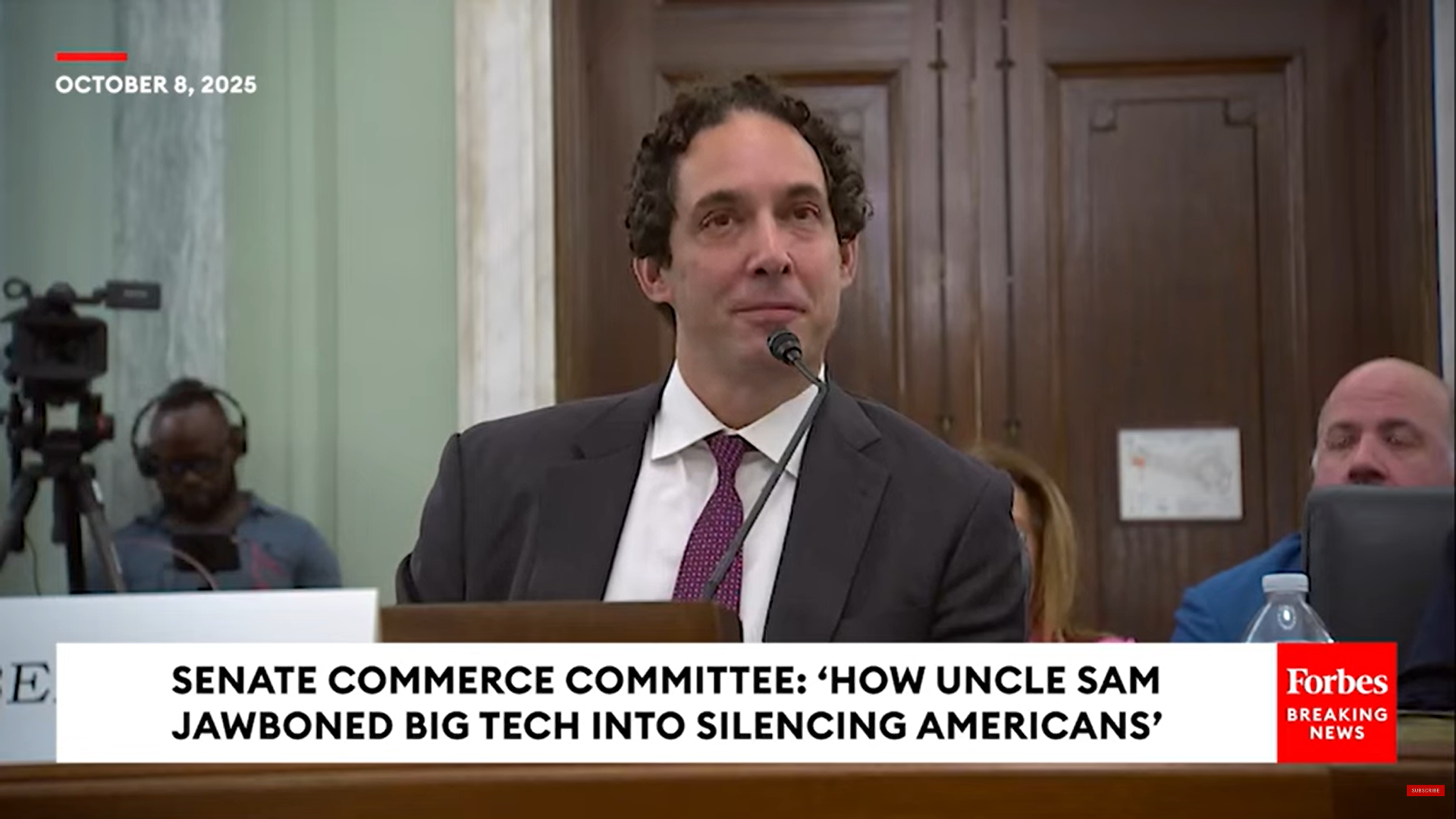
A recent government admission has altered the landscape of an ongoing legal dispute, prompting a pointed response from the plaintiff’s camp and raising questions about accountability and oversight.
The development landed like a pivot point: it gave the plaintiff new footing and made critics more confident their calls for clarity are justified. From a Republican perspective, such admissions should produce swift actions to restore public trust, not slow-walked explanations. People want to see consequences when the state concedes an error or a misstep.
The admission itself matters because it changes the legal dynamics and public narrative at once. When officials step back from a prior position, it forces a reassessment of the evidence and the procedures that led to the dispute. That reassessment should include an honest look at how decisions were made and who was responsible for any failures.
Berenson told The Federalist, ‘the government’s admission is a crucial step forward in our case.’ That line captures both tactical and symbolic value: tactically it narrows the contested ground, symbolically it acknowledges that the government was wrong. Republicans who value limited government see those acknowledgments as opportunities to push for greater restraint and better oversight.
Accountability is not a partisan talking point when the facts shift; it is a necessary response to protect citizens and institutions alike. Officials must explain how the mistake happened, which safeguards failed, and what will prevent a repetition. Without those answers, trust erodes and partisanship fills the vacuum.
There is also a legal reality to consider: an admission can accelerate motions, settlements, or even policy changes that flow from the case. Lawyers will recalibrate strategy based on the new position, and judges often take government concessions seriously in evaluating next steps. That practical change is why observers are treating the admission as a meaningful move.
Transparency should follow fast when the government concedes a point; opacity only breeds suspicion. From a conservative viewpoint, transparency protects liberty by checking the power of institutions and ensuring they operate under public scrutiny. Real reform starts with clear answers and ends with enforceable changes to prevent repeat errors.
The political fallout is predictable: opponents will seize the moment to demand resignations or policy reversals, while allies will insist on due process and measured responses. Both impulses matter, but the priority should be fixing the procedural gaps that created the problem to begin with. That focus on structure beats theatrical punishment when the goal is long-term improvement.
Ultimately, an admission can be the start of corrective action if followed by concrete steps and honest oversight. Courts, legislators, and watchdogs each have a role in making sure the admission leads to real changes. For those who want limited, accountable government, this is an opportunity to turn a concession into reform.

