

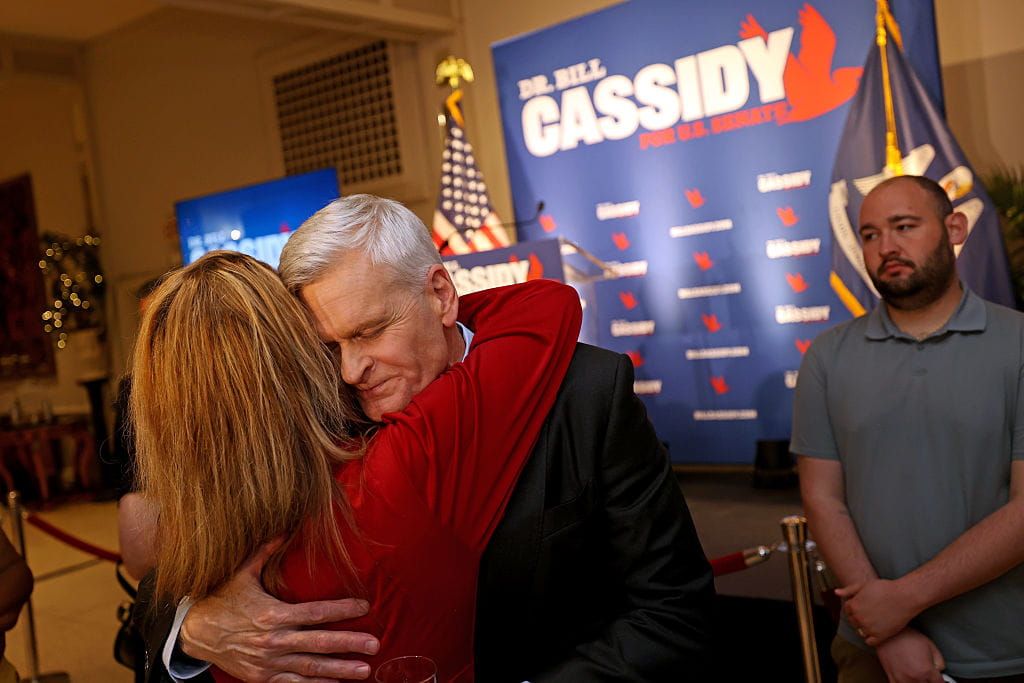
Senator Bill Cassidy’s primary loss in Louisiana shows how crossing President Trump remains politically dangerous, with the May 18, 2026 result underlining the party’s current realities and the costs of being out of step with the GOP base.
“It’s still the president’s party, and some people just have to learn that the hard way.” That line captures the mood after the primary outcome, where Cassidy’s disagreements with Trump and perceived distance from the grassroots played a central role. Voters favored a challenger who aligned with the former president’s priorities, and the margin reflected more than a personality clash. The result signals clear lessons for Republican incumbents about messaging and loyalty.
Cassidy’s record in the Senate included high-profile votes and public disagreements with Trump-era positions, and those choices became campaign fodder. Opponents framed him as part of the establishment rather than the movement that brought Trump to power, and that narrative resonated with primary voters. In a year when party loyalty is a top litmus test, deviating from the base’s priorities proved politically costly. Republican voters sent a message that alignment matters more than incumbency.
Campaign dynamics also mattered. The challenger leaned into themes of economic populism, border enforcement, and judicial appointments—topics that energized the GOP electorate. Town halls and digital ads hammered at the contrast between Cassidy’s approach and the slate of issues that define the current Republican coalition. That contrast was magnified by endorsements and media coverage that made the race a test of who speaks for the party today. Voters rewarded the candidate who matched the movement’s tone and promises.
Local politics amplified the national story. Louisiana’s primary electorate is conservative and responsive to clear, strong positions on law and order, national security, and cultural issues. Cassidy’s attempts to navigate pragmatic compromises were painted as weakness by critics seeking purer commitments. In a hyper-partisan environment, nuance struggles to survive against bold, straightforward messaging. The result reflects how voters prefer clarity over cautious centrism when the party is defining its identity.
Strategically, the defeat raises questions about how sitting Republicans should approach Trump-aligned voters versus broader general-election audiences. Cassidy appeared to try balancing both, but primary electorates often punish perceived hedging. For other Republican lawmakers, the takeaway is simple: primary survival increasingly depends on convincing the base you are reliably on their side. That reality shifts how senators and representatives craft public statements and vote on headline issues.
Campaign infrastructure and grassroots turnout were decisive. Volunteer networks that backed the challenger showed up in neighborhoods and parishes, translating national momentum into local ballots. Meanwhile, inconsistent messaging from Cassidy’s camp failed to galvanize the same level of enthusiasm. In modern primaries, momentum without ground support can stall, and established names can be toppled if they do not maintain active ties to their base. The mechanics of turnout remain a hard truth for incumbents.
The broader Republican lesson from the May 18, 2026 primary is about party ownership and consequence. When a large segment of the party believes the presidency defines the movement’s direction, opposing or distancing yourself from that leadership invites electoral risk. Cassidy’s loss is a practical demonstration that in today’s GOP, perceived loyalty and alignment with dominant themes matter more than ever. Lawmakers who ignore that reality may find themselves facing similar tests at the ballot box.
Looking ahead, the race will influence how Republican figures frame independence versus loyalty in public life. Candidates and incumbents who hope to hold seats must reckon with a base that prizes ideological clarity and trustworthiness to its leaders. For those who think compromise or moderation is a safe middle path, the Louisiana primary offers a stark reminder: politics is unforgiving when voters see mixed signals. The consequences of misreading the party’s mood are now on clear display.

