

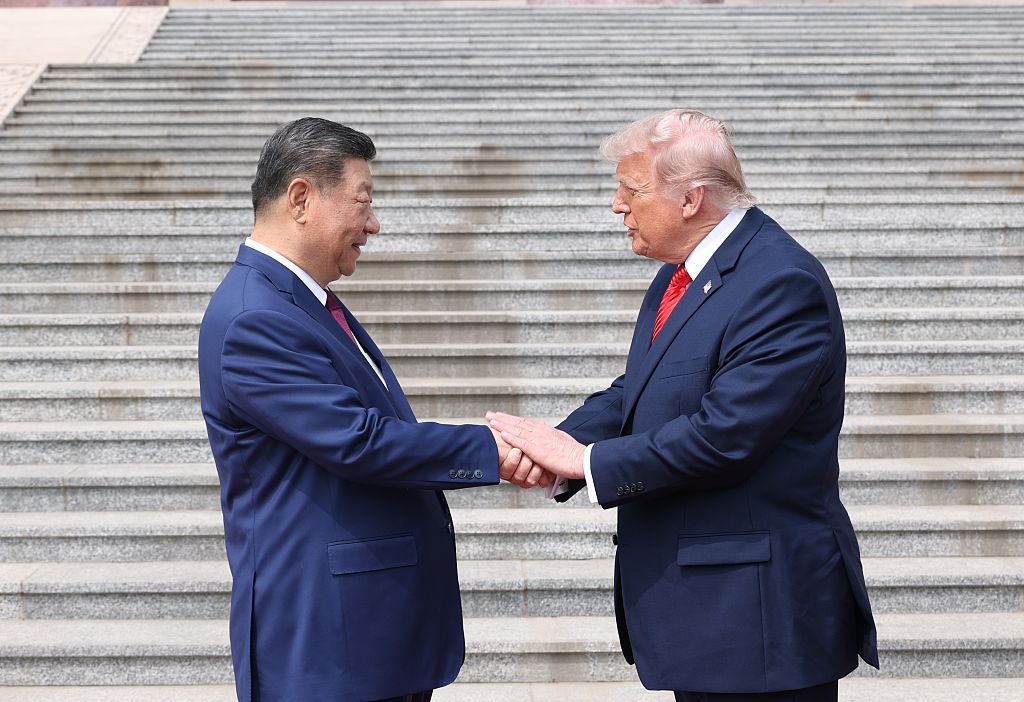
China’s primary demand in the recent talks with the United States was straightforward: crude oil, and that narrow focus shaped how Beijing weighed its role in the Iran crisis while leaving Washington to decide how to leverage energy sales and sanctions for influence.
Talks between President Donald Trump and Xi Jinping made one thing clear: China values Iranian oil and wants steady supplies. The U.S. pushed Beijing to help defuse a 12-week conflict, but China’s response was guided by energy interests rather than regional stability. Still, officials left the summit with some pragmatic steps and the outlines of possible leverage.
Beijing’s reliance on Iranian crude is significant: roughly one-fifth of China’s total crude imports come from Iran, averaging about 1.5 million barrels per day. About ninety percent of Iran’s oil exports flow to China, which makes Tehran eager to keep that customer content. Those numbers shape every diplomatic calculation on both sides.
The immediate problem is logistics. The Strait of Hormuz has effectively been shut, disrupting shipments and leaving China without much of the oil it supposedly bought. Iran’s moves to impose fees and choke a key waterway complicate Beijing’s ability to claim stable access, and that frustration has factored into Xi’s stance.
President Trump said China will increase purchases of U.S. energy, pushing American oil into the market that Beijing plainly needs. “They’ve agreed they want to buy oil from the United States, they’re going to go to Texas, we’re going to start sending Chinese ships to Texas and to Louisiana and to Alaska,” Trump said. “They have an insatiable appetite for energy, and we have unlimited energy.”
U.S. oil exports have hit record highs, which boosts GDP and helps correct the trade balance as foreign tankers alter routes to avoid Hormuz. Commercial ships are detouring around the Cape of Good Hope and heading for the southern United States to refuel, reflecting a practical pivot toward American supplies. America’s energy base is large: 14 million barrels of oil produced per day, 100 billion cubic feet of natural gas, and another ten million barrels or so of other petroleum.
That energy abundance gives Washington bargaining chips, and the administration is considering using them. The president said he would decide soon whether to lift sanctions on Chinese oil firms that buy Iranian crude. “I’m going to make a decision over the next few days,” he stated. This kind of quid pro quo could choke Tehran’s revenue if Beijing pulls back.
Treasury Secretary Scott Bessent framed China as a potential backstage influencer in Tehran’s choices. “I think they will be working behind the scenes to the extent anyone has any say over the Iranian leadership,” Bessent told CNBC on the sidelines of the summit. “China has a much bigger interest in reopening the strait than the U.S. does.” That admission underlines the leverage energy flows create.
The summit covered more than oil. Leaders discussed artificial intelligence, broader trade, and a notable aerospace deal, with Trump announcing Xi agreed to buy 200 Boeing jets. The Boeing news signals that economic ties remain a bargaining chip on both sides, with industrial wins used to smooth political friction.
Officials also floated a governance mechanism for investment, one aimed at channeling Chinese capital into safe areas. Bessent said Washington and Beijing would explore a board of investment allowing China to invest in “non-strategic” and “non-sensitive” sectors while addressing security concerns. That kind of channeling reflects a cautious effort to unlock capital without ceding critical technology.
Artificial intelligence emerged as another area of bilateral interest, where competition and cooperation overlap. The summit produced a framework to discuss best practices for the technology, anchored by an American lead on standards. “the reason we are able to have wholesome discussions with the Chinese on AI is because we are in the lead.” That positioning matters if Washington wants to shape global rules.
History shows deals between global powers often wobble, and skepticism is justified about long-term breakthroughs. What matters in the coming days is how Washington uses its energy leverage, whether sanctions choices shift Beijing’s behavior, and if Chinese purchases can be nudged to change Tehran’s calculus without risking strategic concessions. The outcome will be shaped as much by tankers and trade as by diplomacy and pressure.

