

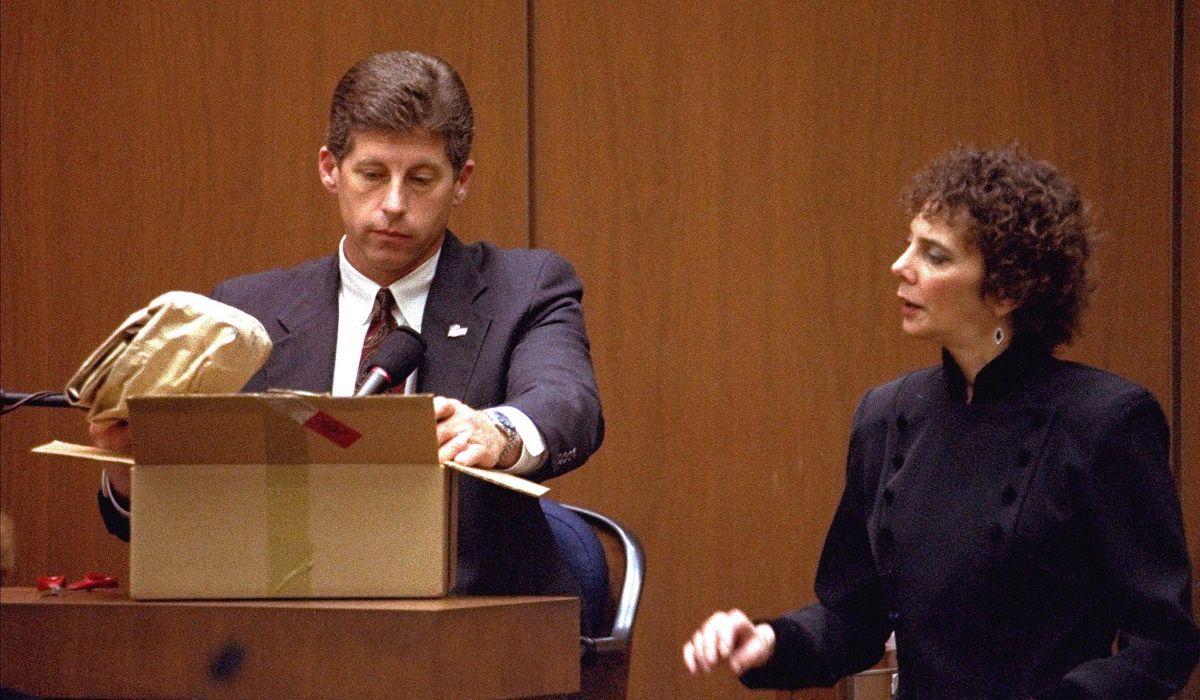
A concise look at the life, controversies and public aftermath surrounding Mark Fuhrman following his death, focusing on his role in a high-profile murder trial and the long shadow it cast over his career.
Former Los Angeles police detective Mark Fuhrman, who was convicted of lying during testimony at the OJ Simpson murder trial, has died. He was a recognizable figure in American criminal justice debates for decades after that trial, and his passing has reopened discussions about evidence, policing and public trust. The courtroom moments that defined him are still discussed in legal circles and popular culture alike.
Fuhrman rose through the ranks of the Los Angeles Police Department and became widely known because of his involvement in a case that gripped the nation. His testimony in the Simpson trial became a touchstone for arguments about police conduct, forensic handling and credibility under oath. The controversy surrounding those courtroom appearances shaped how both supporters and critics view law enforcement behavior during high-stakes investigations.
During and after the trial, evidence of racial bias and questions about how investigators handled physical evidence fueled intense media scrutiny. Recordings and reports that emerged cast a long shadow over Fuhrman’s reputation and gave prosecutors and defense attorneys new leverage in public debate. Those developments altered the way many people thought about the fairness of evidence collection and the reliability of witnesses who testifies about crime scene findings.
Beyond the courtroom, Fuhrman stayed in the public eye through writing and broadcasting. He published books on policing and crime, and later made appearances on radio and television to discuss investigations and criminal justice issues. Those ventures kept him relevant to a portion of the public that follows law enforcement perspectives and procedural analysis.
Legal experts and civil rights advocates often pointed to the case as an example of how a single trial can change perceptions of an entire police department’s practices. For many observers, the handling of evidence and questions about witness credibility prompted calls for tighter standards and reforms. The debate sparked by those calls helped push conversations about transparency, chain-of-custody protocols and independent oversight.
Supporters of Fuhrman argued that some criticisms were politically charged and that policing decisions are often made under intense pressure and imperfect information. Colleagues in law enforcement sometimes defended his investigative commitment and experience on major cases. At the same time, critics insisted that accountability and impartial investigations are essential for public trust in policing institutions.
Over the years, the case remained a touchstone in textbooks and courtroom training, used as a study in witness examination, jury perception and media influence on trials. Law schools and police academies often referenced aspects of the trial when teaching students about credibility, cross-examination, and the consequences of perceived misconduct. The long-term educational value of the episode is one of the reasons it continues to be revisited.
Public reaction to Fuhrman’s death has been mixed, reflecting the complicated legacy he leaves behind. Some remember him as a committed investigator who spent a career on the streets and in squads pursuing serious crimes. Others view his legacy through the lens of the controversies that followed the high-profile trial and through the broader questions it raised about race, justice and police accountability.
As the conversation around his passing continues, the institutional lessons from the events tied to his name remain relevant to current debates about policing reforms and courtroom practice. The legal and cultural aftermath will likely be cited in future discussions about how to strengthen evidence protocols and ensure witnesses are thoroughly vetted. In that sense, the impact of the events tied to his career endures in legal debates and public policy conversations.

