

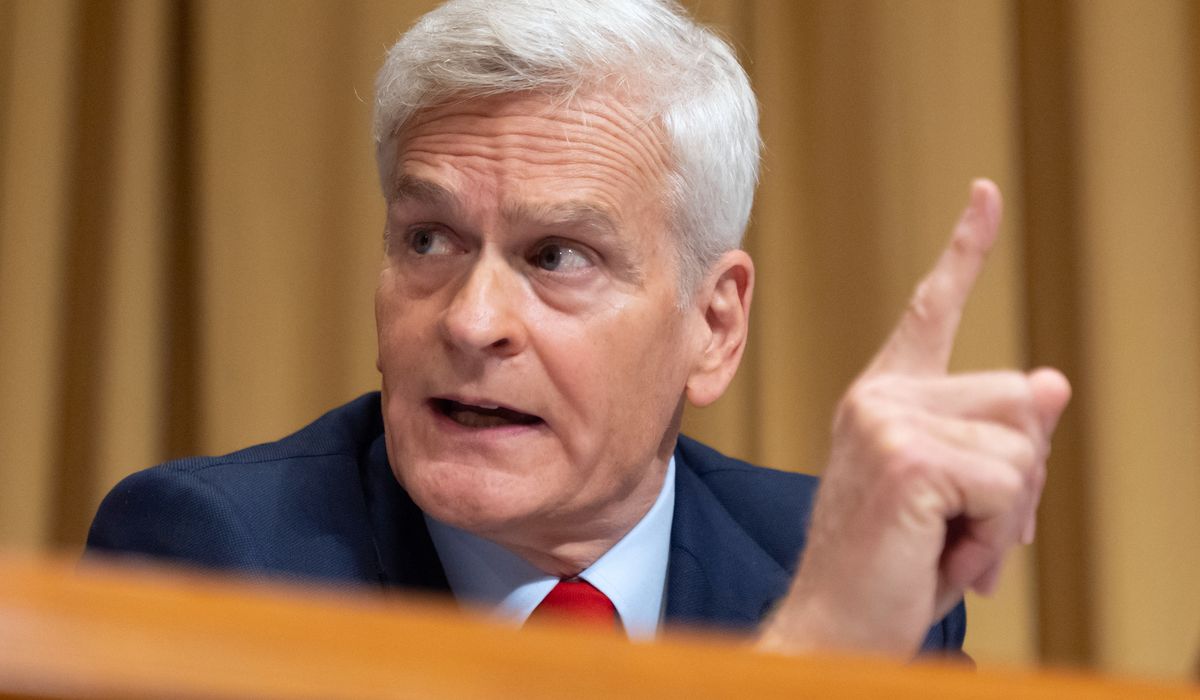
Sen. Bill Cassidy says his 2021 vote to convict President Trump on a House impeachment charge of inciting the Jan. 6 riots at the U.S. Capitol may have ended his political career, and he stands by that choice without regret.
There is a GOP argument that sometimes doing the right thing costs you politically, and Sen. Bill Cassidy’s experience fits that line of thinking. In 2021 he voted to convict President Trump on the House impeachment charge tied to the Jan. 6 violence, and Cassidy now acknowledges the fallout has been severe. He has repeatedly said the vote may have effectively ended his prospects in Louisiana politics, but he also insists he does not regret it.
From a conservative perspective, Cassidy’s decision is framed as a matter of principle and constitutional duty rather than partisan theater. He saw the events at the Capitol and believed accountability was necessary to preserve institutions and deter future violence. That position drew harsh criticism from many Republicans and energized intra-party opponents who argued the vote betrayed the base.
Political consequences followed, as is often the case when senators diverge from their party’s dominant faction. Cassidy faced immediate blowback from activists and donors, and his standing among primary voters weakened. Those real-world costs underscore the tension elected officials face between principle and party survival in an era of polarized politics.
Defenders of Cassidy point out that leadership sometimes means making decisions that are unpopular but aimed at steadying the ship. He framed his vote as consistent with a commitment to law and order, a theme that resonates with many conservative voters even when they disagree on other issues. For Republicans who value institutional stability, his stance read as a difficult but honest assessment.
Critics, however, saw the vote as a betrayal that rewarded political messaging over loyalty to the party’s most powerful figure. That view fueled primary challenges and persistent attacks on his record from within the GOP. The mistrust from the party’s base complicated his ability to build coalitions on other priorities and made his political future uncertain.
Cassidy himself has spoken plainly about the calculus: he accepted the likely political cost and prioritized his own conscience and oath. Saying the vote “may have ended his political career” is a blunt admission of consequence, and his insistence he has “no regret” signals a deliberate choice rather than a reluctant compromise. That combination of accountability and defiance is what makes his case so telling for other Republicans weighing similar moments.
The broader lesson for conservative politics is not tidy. There is a debate within the GOP about whether toughness on principle or loyalty to political leadership yields better long-term results. Cassidy’s example is often cited by those who argue the party needs members willing to hold leaders accountable, while opponents use his fate to warn others about the electoral perils of straying from popular figures.
Whatever the ultimate career outcome, Cassidy’s vote and his candid appraisal of its fallout have become part of the conversation about Republican identity after Jan. 6. It highlights the difficult trade-offs lawmakers face and forces voters and party activists to decide how they balance principle, unity, and electoral strategy. The stakes remain high for anyone in elective office who must choose between immediate political survival and a public stand that may cost them everything.

