

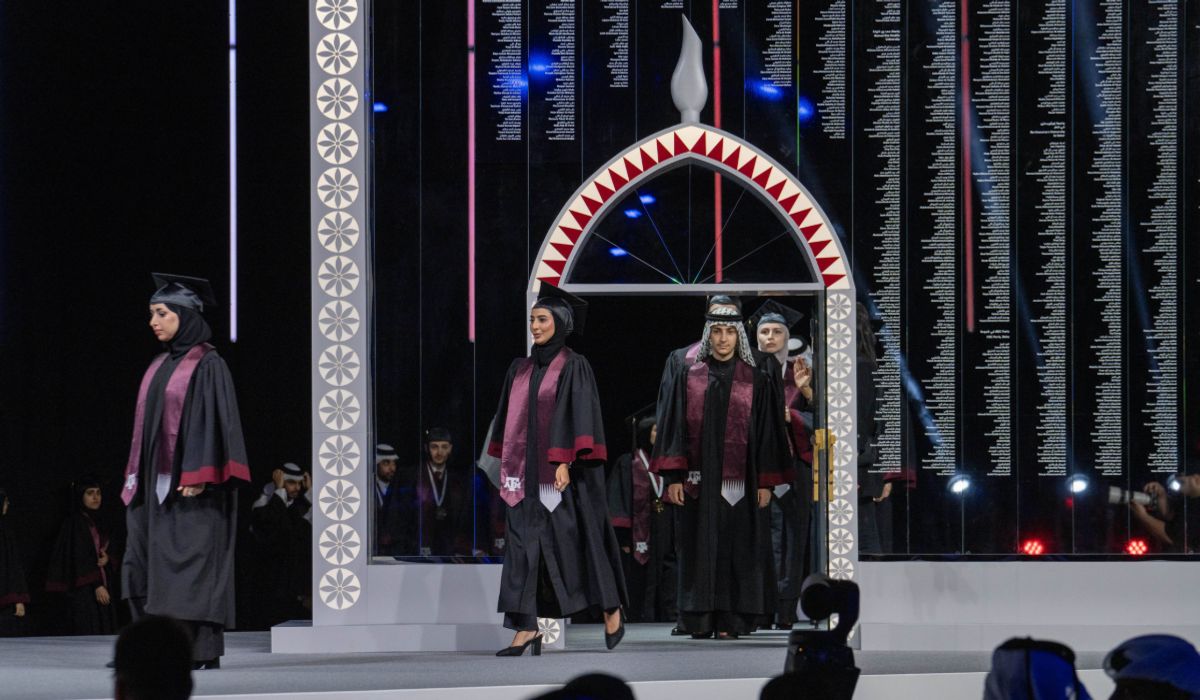
U.S. universities that run branch campuses in Qatar faced unexpected complications at recent commencements, raising immediate questions about how American higher education operates overseas and how institutions protect students and values in a very different environment.
For Northwestern, Virginia Commonwealth, Georgetown and the other U.S. universities with satellite campuses in Qatar, the commencement ceremonies earlier this month came with a sobering complication:
These campuses exist to expand academic reach, host research collaborations and offer students a chance to study abroad while earning an American degree. They are often funded through partnerships and tuition revenue, which means the schools involved must manage relationships with local governments, donors and regulators. The result is a complex web of expectations that does not always line up with the way U.S. campuses operate.
The phrase “sobering complication” captures the awkward intersection of ceremony and circumstance without spelling out any single headline-grabbing incident. Commencements are supposed to celebrate achievement and community, but overseas branches must sometimes navigate local laws, diplomatic sensitivities and competing public narratives. That reality can make a routine graduation feel far more like a test of institutional judgment and nerve.
University leaders have to balance competing obligations. They must ensure the safety and dignity of graduates while honoring contracts and agreements made with host-country partners. At the same time there are expectations from faculty, students and alumni about academic freedom, expression and the integrity of credentials awarded in a different legal and cultural setting.
Students and staff at these campuses report a mixture of pride and unease when graduation day arrives under unusual conditions. Many value the accessibility and prestige of an American-style degree, while others worry about what concessions—if any—were made to make a ceremony possible. Those reactions feed back into campus life, influencing recruitment, morale and alumni relations in subtle ways.
On a practical level, branch campuses contend with logistics that rarely affect domestic commencements. Visas, travel clearances and guest lists can be constrained by diplomatic tensions or local security concerns. Even routine decisions about who can speak, which symbols can be displayed and how events are publicized may require approvals that would be unthinkable at a stateside university.
The reputational stakes are real. Universities must weigh the benefits of global engagement against the potential for criticism at home and abroad. For some institutions, the promise of international exposure and research funding has to be measured against questions about whether core principles were compromised to keep a campus operating. That balance affects not only present operations but also future partnerships.
Observers within higher education are watching how administrators respond, and many expect institutional playbooks to evolve. Transparency around agreements with host governments, clearer guidance for ceremony planning and stronger channels for student voices are among the practical changes being discussed. These adjustments aim to reduce surprises while preserving the international opportunities that attract students in the first place.
As these campuses move forward, the underlying tension remains: how to deliver an American academic experience in an environment governed by different rules and priorities. The moment at recent commencements shows how symbolic events can expose deeper challenges, and how universities must navigate a shifting line between engagement and compromise without losing sight of the people they serve.

