

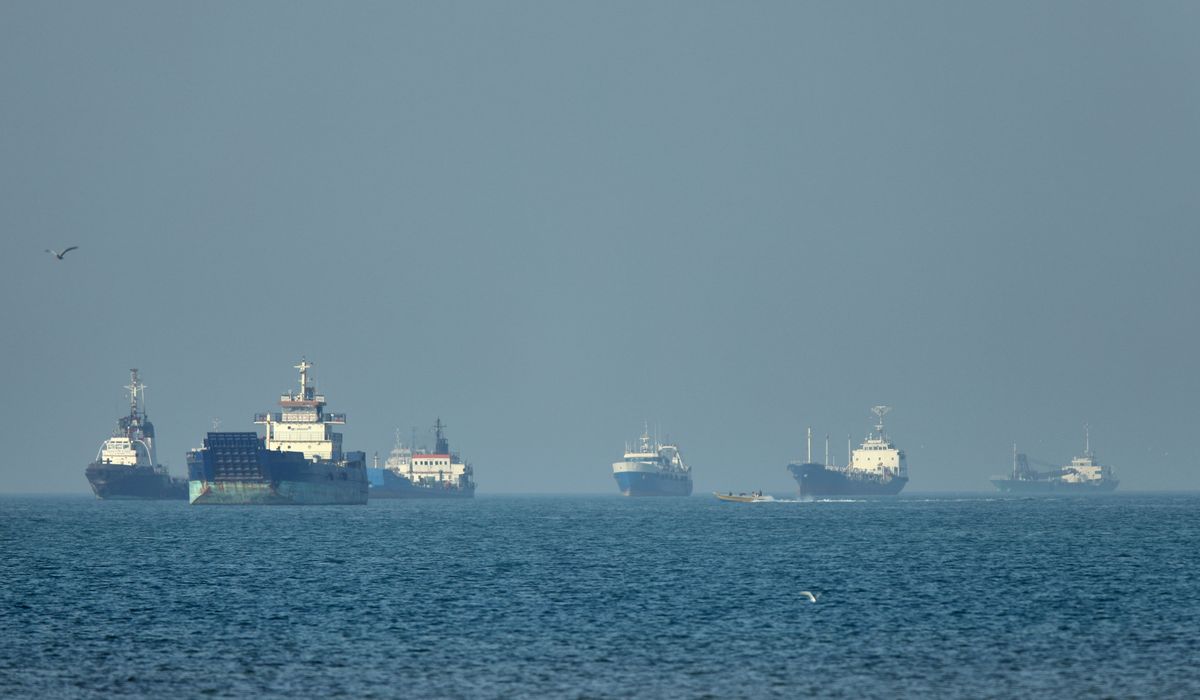
Iran’s Revolutionary Guard says it steered 26 ships through the Strait of Hormuz in a 24-hour span as Tehran tightens its grip on a vital oil chokepoint, raising fresh concerns about navigation, security, and regional stability.
The Islamic Revolutionary Guard Corps reported that 26 vessels transited the Strait of Hormuz under its guidance over a single day, a move Tehran frames as routine oversight of a key waterway. For Republicans watching from Washington, this is not routine. It looks like deliberate pressure meant to assert control and test international responses.
The Strait of Hormuz handles a huge share of global oil shipments, so any assertion of control there carries real economic and strategic weight. The Iranian message is twofold: we can influence global energy flows and we are willing to flex that muscle. That kind of leverage makes allies nervous and energizes calls here for a tougher U.S. posture in the region.
This latest declaration follows a pattern of Tehran using its maritime forces to signal power, harass commercial traffic, and complicate navigation without quite provoking a full military clash. The Guard’s naval arm operates fast boats, drones, and submarines, and it mixes legal claims with aggressive maneuvers. Republicans view these tactics as part of a wider campaign to coerce neighbors while exploiting international hesitancy to escalate.
From a policy perspective, the U.S. and partner navies must be clear-eyed: freedom of navigation cannot be up for debate. The quiet, practical goal is deterrence — making sure Iran understands that interfering with commercial shipping will carry predictable, costly consequences. That means stronger presence, faster intelligence sharing with Gulf partners, and tighter coordination with allies who rely on Hormuz for energy security.
Republican thinking also stresses the link between Iran’s behavior and its broader strategy to bankroll proxy forces and expand influence across the Middle East. Revenue from oil exports and shipping revenues help sustain its network in Lebanon, Yemen, and elsewhere. If Tehran can intimidate transit routes, it gains bargaining chips and economic cover for malign activities overseas.
Sanctions remain an essential tool but must be combined with credible military deterrence. Economic pressure hurts, but history shows Tehran can endure sanctions while waiting out political cycles. A Republican view favors targeted sanctions paired with robust naval operations and clear rules of engagement that protect merchant vessels and punish unlawful interference swiftly.
There is also a diplomatic layer. Regional partners like Saudi Arabia, the UAE, and Oman have a direct stake in Hormuz’s security, and Congress should push for deeper partnerships that share surveillance data, coordinate patrols, and harden civilian shipping routes. That does not mean endless negotiation with Tehran. It means empowering allies to defend common interests and explaining the consequences of obstruction in straightforward language.
Operationally, technology matters: better aerial surveillance, anti-drone tools, and hardened communication links for commercial ships reduce the chance that a single incident spirals. Republican policymakers prioritize fielding capabilities that make it harder for Iran to get away with disruptive tactics while minimizing the risk of miscalculation. Clear rules, steady presence, and improved defenses cut both risk and ambiguity.
Public messaging matters too. American leadership needs to make the stakes plain to domestic audiences and to international markets. When Tehran signals it can influence oil flows, markets react and allies recalibrate. A direct, firm message from U.S. leaders that freedom of the seas is nonnegotiable will reassure partners and deny Tehran the propaganda edge it seeks.
At home, lawmakers should insist on oversight and readiness, but they must avoid hollow rhetoric. Concrete steps — funding partner navies, authorizing specific defensive actions, and preserving sanctions pressure — will have more effect than symbolic resolutions. Republicans argue that strength backed by smart policy is the clearest path to keeping the Strait open and secure.
In short, Tehran’s announcement is a reminder that strategic waterways are never passive pieces of geography. They are instruments in geopolitical competition, and the response must combine deterrence, diplomacy, and capability improvements. The goal is simple: protect commerce, reassure allies, and make sure Iran cannot turn the Strait of Hormuz into a bargaining chip without immediate costs.

