

Memorial Day deserves more than a long weekend; it asks for a change in how we live by keeping the fallen at the center of our habits, conversations, and choices.
“When Decoration Day became Memorial Day, an important image was lost.” That line sits at the heart of a debate about how Americans observe this holiday and what we carry forward from the sacrifice it marks. The phrase reminds us that a ritual meant to honor graves and stories has drifted into picnics and pixels, and that drift matters.
On May 25, 2026, the familiar mix of ceremonies and casual plans will return, and with it the question of what Memorial Day actually asks of us. Too often the day is reduced to travel and sales, and the deeper practice of remembrance fades into background noise. That shift is cultural, not accidental, and it shapes what future generations learn about service and loss.
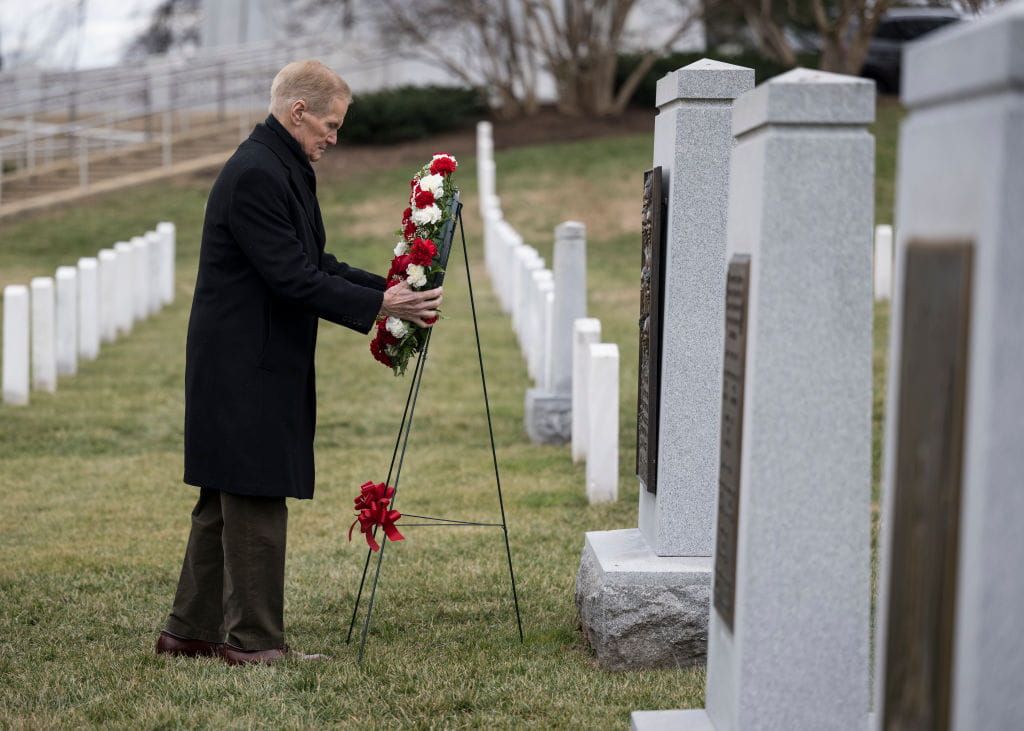
The original Decoration Day was an act of deliberate remembrance: families tending headstones, reading names aloud, and refusing quiet forgetfulness. Those gestures made grief visible and gratitude public, binding communities to a shared memory. Losing that image meant losing rituals that once turned memory into moral guidance.
Ideas like duty, sacrifice, honor, and humility are not abstract; they are practical habits. Decorating our lives with those values means prioritizing commitments over convenience, showing up for strangers in uniform, and letting respect for service shape how institutions and neighborhoods operate. Those habits create a civic environment where service is expected and gratitude is normalized.
That kind of living shows up in small actions: listening to veterans tell what they saw, helping military families with routine tasks, and supporting community organizations that ease the transition from service to civilian life. It shows up in policy too, in sensible support systems that reduce bureaucratic barriers for those who served. These measures are not flashy, but they keep the memory of sacrifice active in everyday systems.
Rituals still matter because they convert memory into muscle. Flags at half-staff, visits to cemeteries, and moments of silence turn private feeling into collective practice. Reading names, saving stories, or keeping photographs where children can see them hands memory down without turning it into sentimentality.
Memorial Day need not be a performance; it can be a steady influence on how people behave between holidays. If the day helps shape decisions about work, family, and service, then remembrance becomes a force that honors the dead by improving the living. That steady influence may be the truest decoration of all.

