

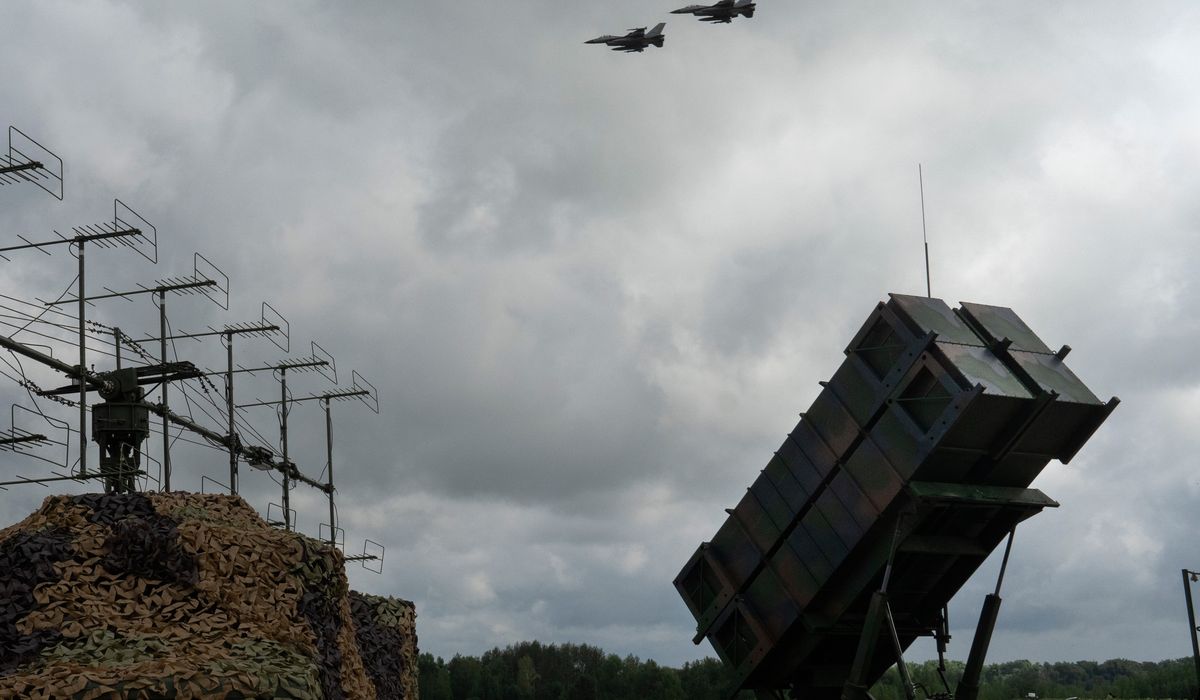
Ukraine may not produce Patriot missiles for years, even after President Trump said a license to build them could be issued soon; the industrial, technical, and political hurdles make rapid domestic production unlikely.
President Trump recently said Ukraine could soon get a license to manufacture Patriot missiles, but moving from a license to actual battlefield-ready production is a long, complicated process. Building modern air-defense systems means more than assembling parts, it requires hardened supply chains, certified electronics, and trained personnel. Expecting immediate results misunderstands how these weapons are made and tested.
The Patriot is a layered system combining interceptors, launchers, radars, command-and-control hardware, and sensitive software. Many of its critical components come from outside Ukraine and depend on suppliers that follow strict export controls and quality standards. Even with a formal license, those suppliers must agree to transfers, and some parts can take months or years to source or replace.
Licensing is only the legal green light for transfer of technology, not a production timeline. The U.S. and its defense industry would still need to approve specific technical data, manufacturing blueprints, and quality-assurance processes. Then comes the work of adapting those blueprints to factories that were not built around Patriot specifications, which is costly and time-consuming.
Electronics and microchips pose a particular bottleneck. Modern interceptors rely on specialized guidance chips and ruggedized components that are manufactured in limited facilities around the world. Those production lines operate on volumes and tolerances that civilian factories rarely meet, so converting or recreating them in Ukraine will take skilled labor and capital investment.
Radar and software integration matter just as much as missiles. A Patriot battery is only as effective as its radar and command software, and those systems require certification to guarantee they perform under combat conditions. Testing and certification cycles are deliberately strict because lives depend on reliable intercepts and minimal false positives.
Workforce training is another long lead item. Ukrainian technicians and engineers can be trained, but mastering the maintenance, calibration, and diagnostics of Patriots takes months of hands-on practice under seasoned mentors. Skilled technicians also need access to spare parts inventories, tooling, and diagnostic equipment that are not trivial to ship or reproduce.
Political and export control realities will shape the pace as well. Even with a presidential statement, partner nations and private firms may insist on phased transfers, safeguards, and oversight. Those conditions are meant to prevent military technology from falling into the wrong hands, but they also extend timelines.
From a conservative perspective, it’s reasonable to support boosting Ukraine’s defense but also sensible to call out over-optimistic timelines. Promises that sound fast can create policy pressures and expectations that misallocate resources. Honest assessments help Congress and the public weigh support against domestic priorities like border security and readiness for our own forces.
There are precedents for prolonged ramp-ups. Other allied programs have required years to stand up local production lines even with full support from original manufacturers. Firms must retool, staff up, and meet certification standards while navigating supply-chain disruptions, all of which push schedules out.
If the goal is to get more Patriot capability into Ukraine sooner, practical options exist that don’t pretend local full-scale manufacturing is immediate. Continued direct shipments, forward basing of systems, accelerated training exchanges, and joint maintenance agreements can deliver capability faster than waiting for a nascent industrial base to catch up. These stopgap measures are realistic and effective while longer-term capacity builds.
Ultimately, a license is a necessary but not sufficient step toward Ukrainian production of Patriot missiles. The technical, industrial, and political hurdles mean years, not weeks, before Ukraine could realistically manufacture Patriots at scale. Policymakers should be honest about that timeline and plan accordingly for immediate and midterm defense needs.

