

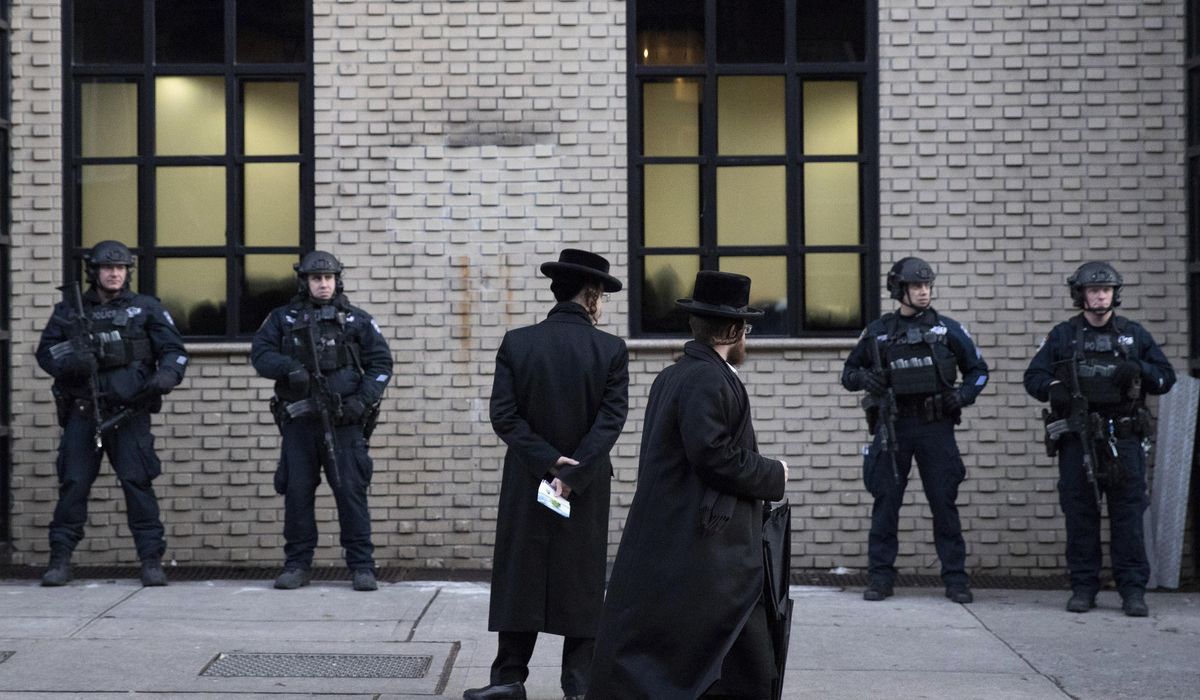
New York made it a crime to block or intimidate people entering houses of worship, tightening protection for congregations after repeated incidents that raised safety concerns.
The new New York law makes it unlawful to block someone from entering a house of worship or to act in a way that causes worshippers to fear for their safety. Lawmakers approved the measure after a series of incidents that targeted religious buildings and disrupted services. Supporters argue it restores a basic layer of safety for congregations arriving to pray.
From a Republican perspective, this is about defending the core freedoms that let Americans practice their faith without harassment or fear. Religious liberty is a foundational guarantee, and when people are kept from a sanctuary by intimidation or obstruction, that guarantee is hollow. Turning those obstructive acts into crimes signals that public policy values safe access to worship over disruptive confrontation.
The statute is aimed at more than simple picketing; it targets behavior that crosses the line into coercion or physical blockade. Blocking a doorway or forming a human barrier can escalate quickly, turning peaceful protests into violent confrontations and forcing worshippers to choose between safety and their right to attend services. By criminalizing those tactics, the law forces would-be disruptors to rethink using physical obstruction as a tactic.
Critics worry about overreach, and that concern deserves attention because free speech and protest are important. The difference is basic: speech that expresses disagreement should be protected, but speech that uses physical intimidation to keep people away from a religious service is not protection of expression, it is infringement on another person’s rights. The law aims to draw that distinction so authorities can act when boundaries are crossed.
Religious leaders and congregants have responded with relief in many communities, noting that a clear legal standard helps de-escalate tense situations. When police and courts have a statutory backbone, they can act decisively rather than treating obstructions as ambiguous disorderly conduct. That predictability matters for planning services, security, and community outreach without the constant threat of a disruptive blockade.
Enforcement will be crucial for the law to matter in practice, and that puts a spotlight on local prosecutors and police chiefs. When laws are on the books but not enforced, they offer little protection; when enforcement is swift and consistent, the deterrent effect is real. A Republican view emphasizes that law and order paired with respect for constitutional rights produces safer neighborhoods and steadier civic life.
Courts will likely be asked to refine how the law applies, and that judicial process should be welcomed because it clarifies boundaries. Reasonable enforcement standards can preserve legitimate protest while removing tactics that amount to coercion or physical interference. Clear rulings will help organizers, faith communities, and law enforcement know where the line stands.
Beyond arrests or charges, the statute carries symbolic weight because it names a problem many communities have felt for years. Laws send signals about civic priorities, and making obstructive behavior a punishable offense signals that access to worship ranks high among those priorities. That message matters to congregations worried about their safety and to neighbors who want public spaces kept peaceful.
At the same time, policymakers should watch for unintended consequences so the law is not used to chill lawful expression. Precision in charging decisions and thoughtful prosecutorial discretion reduce the risk of misapplication. Balancing careful enforcement with deference to legal protest preserves both safety and civil liberties without sacrificing either.
Moving forward, the measure will test how effectively New York can protect worshippers without trampling other rights, and communities will be watching enforcement closely. If applied sensibly, the law gives law enforcement clear authority to stop physical obstruction and intimidation at houses of worship. That clarity aims to let congregants enter and exit freely, confident that the law backs their right to worship without fear.

