

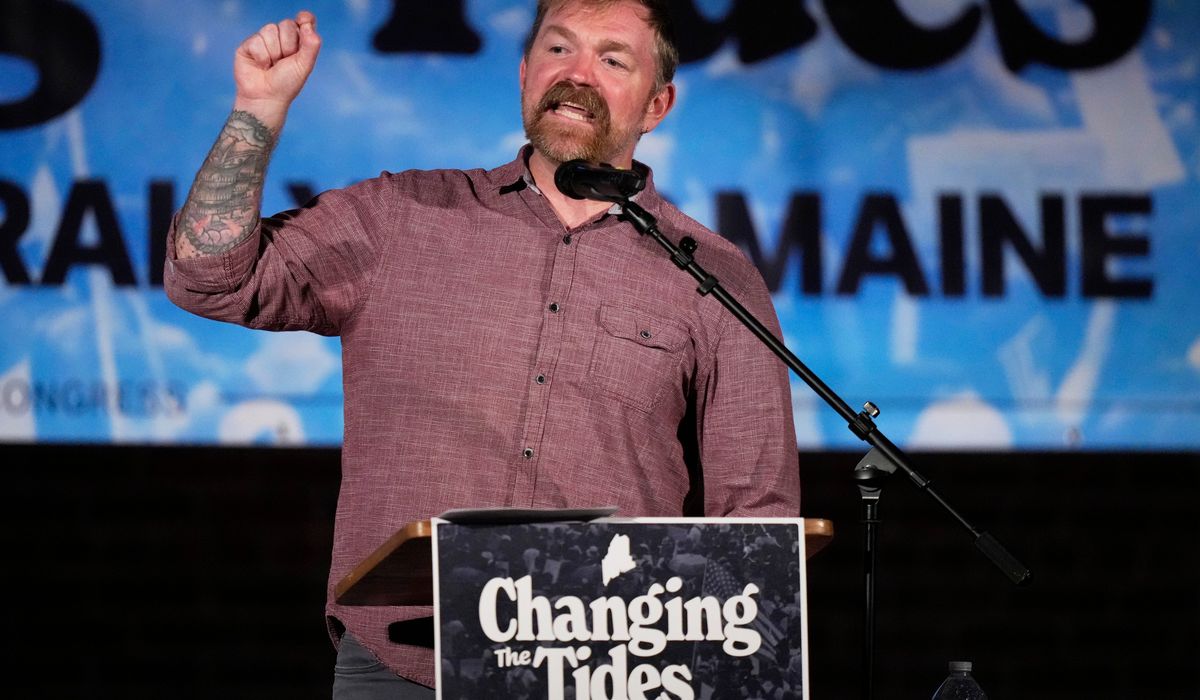
Graham Platner won the Maine Democratic primary for U.S. Senate on Tuesday, setting up a high-stakes race against Republican Sen. Susan Collins.
The result in Maine sharpens a contest that national Republicans have watched closely. With the Democratic nominee now decided, attention will move to turnout, fundraising, and whether independent voters stick with the incumbent. For Republicans, the path forward is about reinforcing Collins’ strengths and framing the choice for Maine voters in clear terms.
Susan Collins arrives at the general election with long incumbency and seniority that translate into committee clout and local projects. That track record is central to the Republican argument: continuity in Washington means results at home. Expect messaging that highlights constituent services, federal funding secured for Maine, and Collins’ ability to influence policy for the state.
Democrats will try to nationalize the race by tying the contest to broader party themes and turning it into a referendum on the Senate balance. Graham Platner’s primary victory gives them a clear standard-bearer to carry those messages. Republicans will counter by portraying Platner as aligned with national Democratic leadership rather than focused on Maine priorities.
Campaign dynamics will likely center on suburban independents and older voters who determine close statewide races. These groups respond to straightforward, practical arguments about cost of living, access to healthcare, and local economic stability. Republicans can emphasize steady representation and delivery over partisan rhetoric to keep those voters engaged.
Money and outside groups will pour in once the matchup is official. National Democratic committees and allied organizations see opportunity in a contest against a moderate Republican, while conservative groups will mobilize to defend a rare GOP Senate hold. Fundraising will shape how much television, digital advertising, and ground game each side can mount across Maine’s diverse counties.
Expect debates and targeted advertising to test both campaigns. Collins’ record can be both an asset and a vulnerability depending on the line of attack, so the GOP strategy will balance defense of past votes with a forward-looking plan. Platner’s campaign will try to make the race about change and align with energized Democratic turnout; Republicans will argue stability and proven results are safer for Maine families.
Local issues will matter more than the national script in many corners of the state, so both campaigns must show local credibility. Infrastructure projects, fisheries policy, small business support, and rural healthcare are the kinds of topics that swing voters weigh. Republicans will push narratives that keep the debate practical and tether arguments to tangible outcomes residents can verify.
The broader implication for Senate control means both parties will invest energy and resources, and that raises the stakes beyond Maine. Outside spending and message testing will intensify as either side seeks an edge in a tight national landscape. For Republican strategists, protecting Collins’ seat remains a priority because it preserves a fragile balance in the chamber and keeps a voice for Maine in influential committees.

