

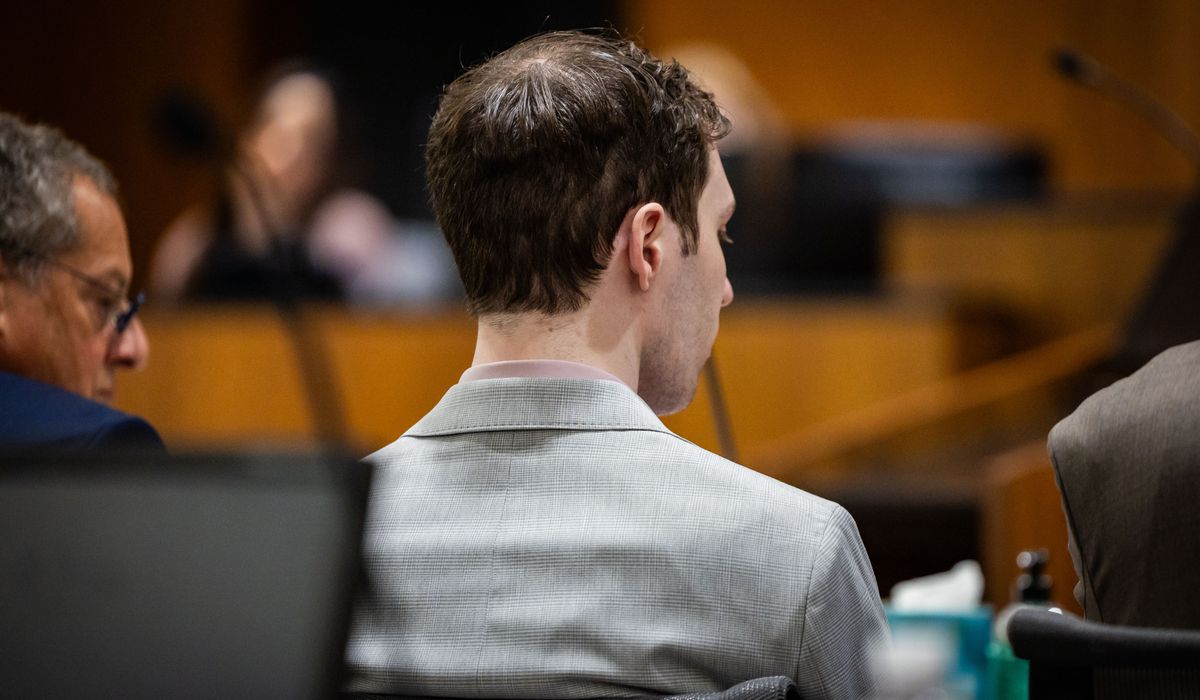
Prosecutors showed a courtroom video of the suspect who surrendered after the shooting of conservative activist Charlie Kirk, and the case is now moving through the legal system amid questions about motive, security, and how authorities handle politically charged attacks.
Prosecutors played a video clip in court Wednesday of suspect Tyler Robinson after he had turned himself in to Utah authorities a day after the shooting of conservative activist Charlie Kirk. The footage, shown to jurors and the public, gives a raw look at the moment law enforcement took custody of the man accused in a high-profile attack. That visual piece is just one part of a wider legal and political story now unfolding in real time.
Courtroom video can be decisive because it removes some ambiguity and presents an unvarnished chain of events. For Republicans and conservatives worried about safety at public events, the clip reinforces calls for clearer protections for speakers and attendees. At the same time, the justice system must follow established steps to preserve fairness while the facts are sorted out.
The suspect’s decision to turn himself in may affect how the case is framed in court, but it does not erase serious questions about responsibility or motive. Prosecutors will likely use the surrender and any surrounding behavior to build their case, while defense counsel will push back to protect their client’s rights. Observers should expect a measured legal process with evidence, testimony, and argument playing out over weeks or months.
This incident has already sparked debate about security at political and public appearances, especially for figures who draw strong reactions. Conservatives see the episode as a warning that activists and public figures face real physical risks in a tense climate. Policymakers and event organizers will need to reassess practical steps to prevent violence without turning every forum into a fortress.
Media coverage will drive public perception, so accurate reporting and restraint matter now more than ever. The small, edited segment shown in court offers a glimpse but not the whole story; viewers should avoid leaping to conclusions based on a clip alone. Responsible outlets will wait for more evidence rather than amplify speculation that fuels division.
From a Republican perspective, the priority is simple: protect free speech and public safety while ensuring the accused receives a fair trial. Political violence must be condemned across the board, and law enforcement should have the tools they need to prevent attacks and secure events. At the same time, the rule of law must run its course so any verdict rests on clear proof and established procedure.
The case will likely test how prosecutors balance public pressure with legal standards, and whether courts can insulate proceedings from political noise. For supporters of the victim, the video is a stark reminder that threats can turn deadly and must be taken seriously. For the justice system, the task is to piece together a reliable account of what happened and to let the evidence guide outcomes rather than headlines.

