

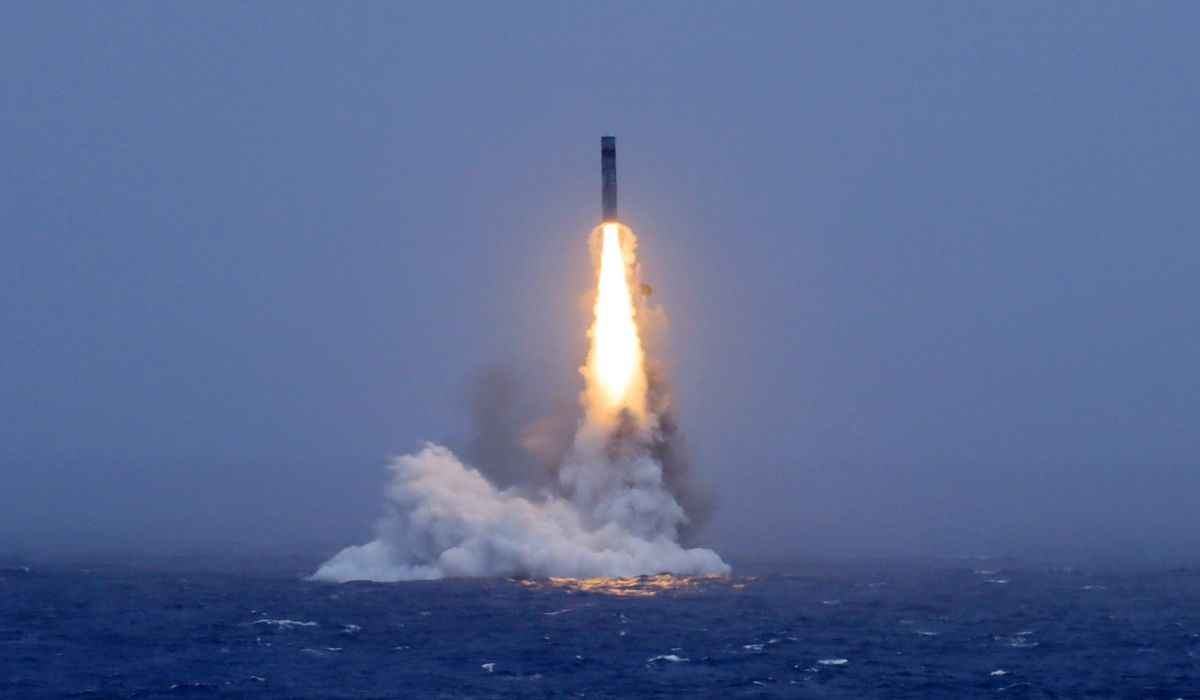
The State Department on Thursday sharply criticized China for insufficient advance notice of a nuclear-capable missile test in the South Pacific on Monday, raising concerns about transparency, regional safety, and U.S. deterrence posture.
The missing advance notification has stirred alarm among diplomats and defense planners who expect basic communications around tests that could affect international air and maritime safety. In Washington, officials stressed that routine transparency is essential to prevent miscalculation and to preserve stability in a tense part of the world. The timing of the notice shortfall — described by the State Department on Thursday — prompted renewed questions about Beijing’s intentions.
Republicans argue this episode is more than an oversight; it’s a symptom of a broader pattern of opacity from Beijing that erodes trust and endangers allies. When military activities involving nuclear-capable systems are not properly coordinated, trivial accidents can escalate into strategic crises. That risk is especially high in the South Pacific, where commercial and military traffic intermix and where several U.S. partners depend on clear communications for safety.
For years, the U.S. has asked for predictable behavior from great-power competitors so routine operations do not spark unintended conflicts. The lack of notice for a high-end test like a nuclear-capable missile makes it harder for the U.S. and its allies to monitor trajectories and to warn civilian aviation or shipping. Republicans insist that such behavior undercuts regional stability and makes a strong, visible U.S. response necessary to deter repeat incidents.
Beyond the immediate safety concerns, the episode feeds into a broader strategic narrative: China’s military modernization is proceeding at speed while Beijing resists the kind of checks and predictability that temper risk. That reality should sharpen U.S. policy choices, not dull them. Republican voices in Congress and on the policy front will press for measures that translate diplomatic rebukes into tangible deterrents and enforcement tools.
Deterrence, in this context, means reinforcing alliances, bolstering regional missile defenses, and keeping a credible forward presence. It also means insisting on adherence to international norms that govern notification and restraint for strategic weapons tests. The goal is a clearer, safer operating environment where allies can coordinate and where China understands there are costs to provocative opacity.
Diplomacy still matters, and the State Department’s public criticism on Thursday is part of that toolkit, but it should be backed by concrete policy moves. Congressional oversight and budget decisions can accelerate deterrent capabilities and make U.S. commitments harder to doubt. Republicans will likely press for tougher export controls, more robust intelligence-sharing with partners, and clearer consequences for tests that skirt accepted protocols.
At the same time, the U.S. must make communication channels resilient so routine notifications do not break down during crises. Establishing dependable hotlines, reaffirming SAPs for predictable testing windows, and insisting on transparent tracking data are practical steps that reduce the chance of dangerous misunderstandings. Beijing’s cooperation on these points would be a simple, verifiable measure of its willingness to act as a responsible major power.
The lesson from the event in the South Pacific is straightforward: opacity creates danger, and deterrence requires both posture and policy. The State Department’s Thursday criticism reflects an impulse to name the problem publicly, but naming alone will not fix systemic issues. Republicans will argue that the answer lies in combining firm public diplomacy with harder-edged tools that make the costs of risky behavior plain and immediate.
Regional allies and partners will watch U.S. follow-through closely, because credibility is earned by deeds, not statements. Strengthening alliances, improving defensive systems, and insisting on notification protocols are all practical steps that can prevent similar situations in the future. The choices Washington makes now will shape whether routine military competition remains manageable or drifts toward avoidable confrontation.

