

Missouri State’s long-running MBA pipeline for Chinese officials and defense industry managers has drawn scrutiny for training more than 1,500 participants since 2001, raising questions about ideological vetting, funding sources, and national security risks.
Since a June report surfaced, investigators have flagged a Midwestern college that ran an executive MBA track attracting Chinese state-owned enterprise leaders, government officials, and personnel tied to defense companies. The program reportedly began in 2001 and by 2018 had enrolled over 1,500 current and future managers, and China continued to promote the initiative as recently as 2024.
Isaac Stone Fish, CEO and founder of Strategy Risks, described his firm as “a business intelligence firm which quantifies corporate exposure to China, and helps companies and entities manage and reduce their China risk.” His team compiled the research that prompted renewed attention to how US institutions engage with Beijing-linked actors.
The report’s opening line was stark: “For more than two decades, Missouri State University has operated a little-known MBA pipeline for Chinese state-owned enterprise executives, government officials, and Chinese defense contractors.” That framing has set the tone for a public debate about academic partnerships and oversight.
JS: “Thanks for having me, Joe.” Stone Fish’s comments in the interview spelled out how selection was handled and why that matters. He said Beijing exercised heavy control over who entered the program, imposing ideological requirements that effectively let the party pick trainees.
ISF: Stone Fish explained that for years American universities treated engagement with China as standard practice and that many did not adapt quickly as geopolitical realities shifted. “Hey, we’re going to work to support the Chinese Communist Party.” Those words were used to describe the earlier norm he observed across institutions.
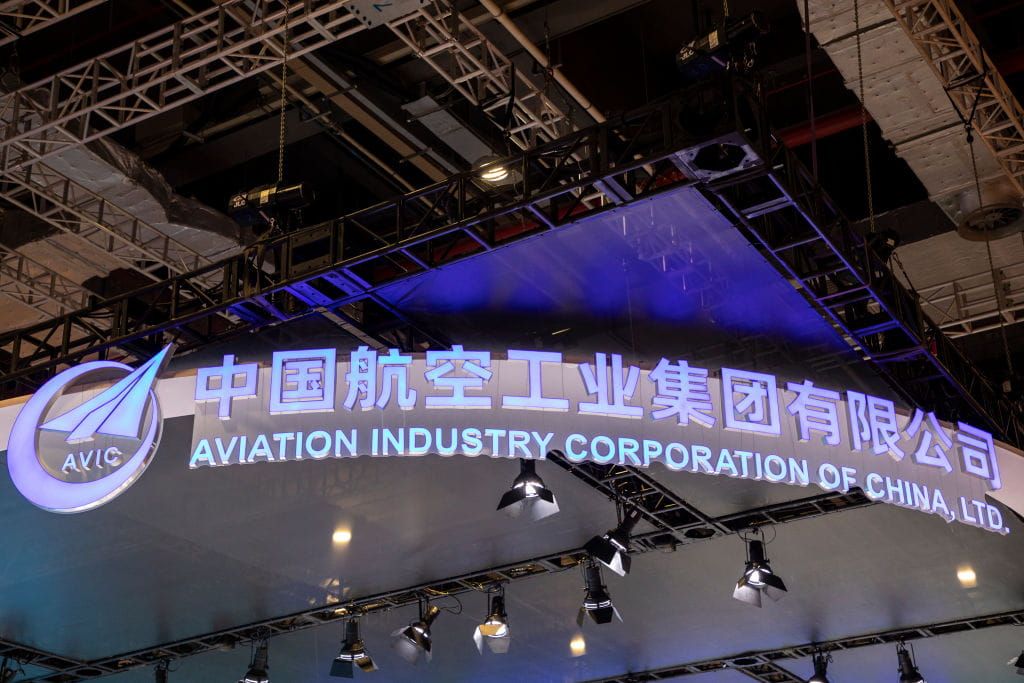
Evidence cited in the report links graduates to Aviation Industry Corporation of China, AVIC, the vast state aviation and defense conglomerate that later faced sanctions. That connection strengthened concerns, because sanctioned entities and partner schools began to appear on US government lists in recent years.
Funding remains murky. The report points to an intermediary labeled IMEC and notes claims that about a quarter of the program’s support came from public sources. Stone Fish urged Missouri State to disclose more about how the pipeline was financed and what role external entities played.
Missouri State and similar programs landed in a tricky spot: universities want international talent and revenue, but that openness can carry security trade-offs. Stone Fish emphasized that the goal is not blanket decoupling but improved risk management and transparency in academic partnerships.
He also raised practical concerns about student vetting and influence, noting how Beijing exerts leverage over some participants. That includes party membership, pressure to inform on peers, and other coercive dynamics that can complicate campus life and research integrity.
The national-security implications are hard to measure and will likely be clearer in hindsight, Stone Fish said, but he warned about plausible scenarios. Shared labs or joint ventures could, in theory, seed technologies or capabilities that later enable hostile actors, and he urged caution in how American institutions structure collaborations.
Stone Fish described the broader political context: governors often prioritize local economic growth and courting Chinese investment, while federal lawmakers tend to be more skeptical. That split, he argued, explains why outreach to China could be widespread at state and institutional levels even as national policymakers grow more wary.
Asked what a university should do now, Stone Fish proposed immediate transparency steps: explain past practices, disclose funding, set guardrails to prevent repeat problems, and ensure compliance controls are in place. He framed those moves as necessary to protect students, academic freedom, and institutional reputation.
JS: When pressed about legal exposure, the reply was cautious: “[I didn’t say] it was only a concern in 2020,” Stone Fish clarified about sanctions timing, and later added, “We did not see anything – and I’m not a lawyer and so definitely not something I can speak on – but to my untrained eye we didn’t see anything that was criminal.” That leaves oversight and disclosure as the immediate policy levers.
The story makes clear this is not solely an Ivy League issue; it stretches across regions and institution types. Whatever reforms emerge, officials and university leaders will face pressure to balance international engagement with safeguards against unintended support for adversary capabilities.

