

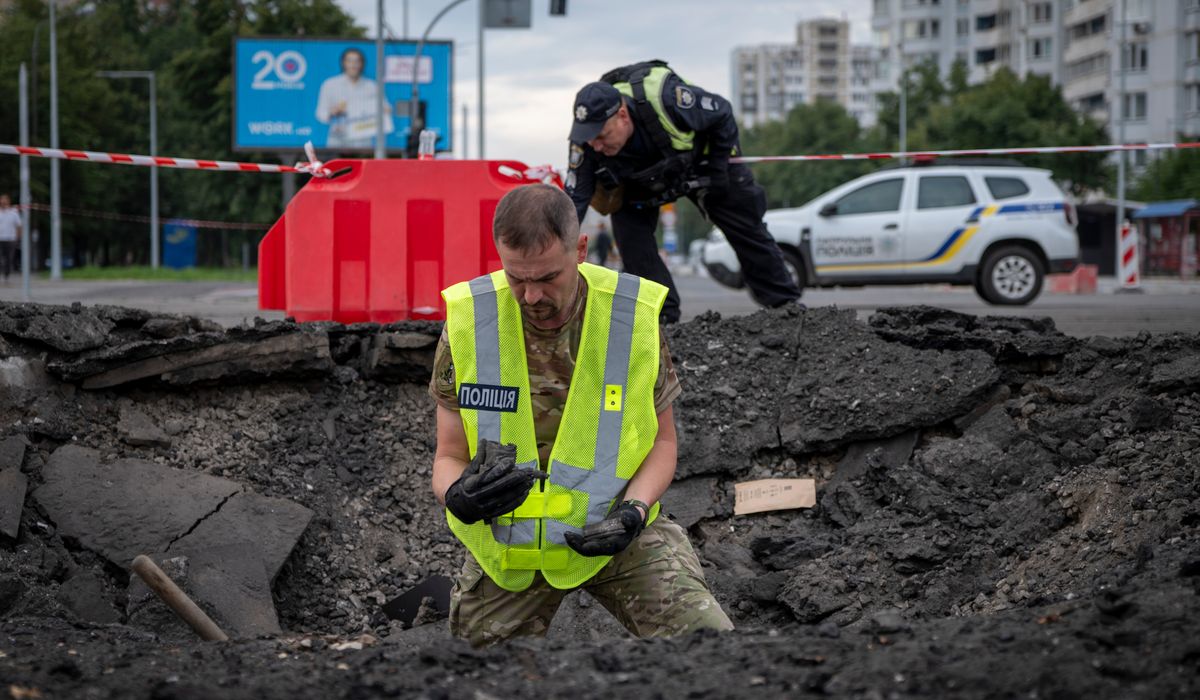
Russia launched missile and drone strikes that killed two people and wounded 12 in Ukraine, while Ukrainian forces reported damaging more than two dozen Russian tankers and other vessels, signaling a dangerous spike in maritime and aerial attacks with broader security and energy implications.
Russian missile and drone strikes continue to hit Ukrainian cities and infrastructure, leaving civilians dead and injured. Two people were killed and 12 were wounded in the recent attacks, according to officials reporting the toll. The strikes underline the grim human cost that keeps mounting in this conflict.
At sea, Ukrainian forces say they damaged more than two dozen Russian tankers and other vessels, degrading Moscow’s ability to move fuel and supplies. Those strikes on logistics and maritime targets are a blunt way to pressure Russia’s war machine and complicate its operational planning. Damage to commercial and military shipping also raises risks for global trade and energy markets.
The mixture of air and naval action shows the war is evolving into a more complicated, multi-domain fight. Drones and missiles allow Russia to strike deep, while Ukraine’s maritime efforts aim to choke supply lines and blunt Russia’s advantage. Both sides are adapting tactics rapidly, and that means the battlefield will keep shifting in unpredictable ways.
From a Republican perspective, these events highlight clear national security stakes for the United States and its allies. Weakness or delay in helping Ukraine only prolongs chaos and boosts Russian confidence to strike critical infrastructure. Congressional debates about aid should focus on durable support that denies Russia strategic gains, not partisan point-scoring.
Energy security is an unavoidable dimension of this clash. Attacks on tankers and port facilities feed instability in oil and gas shipments, which can push prices up and hand leverage back to hostile actors. Republicans will argue that expanding domestic energy production and securing alternative supply routes are practical ways to blunt Moscow’s leverage.
Sanctions and economic pressure remain central tools, but they work best when paired with credible military deterrence. Targeted sanctions on oligarchs and transport networks that enable military logistics can have real effects if enforced consistently. Meanwhile, providing Ukraine with defensive and offensive capabilities that match theater requirements matters more than symbolic gestures.
Civilian resilience and evacuation plans are part of the picture most people don’t see when headlines focus on weapons systems. Hospitals, emergency services, and community shelters absorb much of the immediate shock from strikes, and their work must be supported. Strengthening those networks at home and abroad reduces the toll on innocent people and keeps governments focused on longer-term strategy.
Diplomacy shouldn’t be dismissed, but it must be backed by strength. Negotiations with an empowered aggressor who faces no consequences rarely produce fair outcomes. The U.S. and partners should negotiate from a position that protects allies, Ukrainian sovereignty, and the rules that keep seas and skies open for commerce.
Looking ahead, expect continued escalation in both methods and targets as each side seeks advantage. The combination of air raids and maritime interdictions will keep energy markets jittery and planners on alert. Policymakers in Washington will need clear metrics to judge whether assistance is shifting the balance or merely fueling a longer stalemate.

