

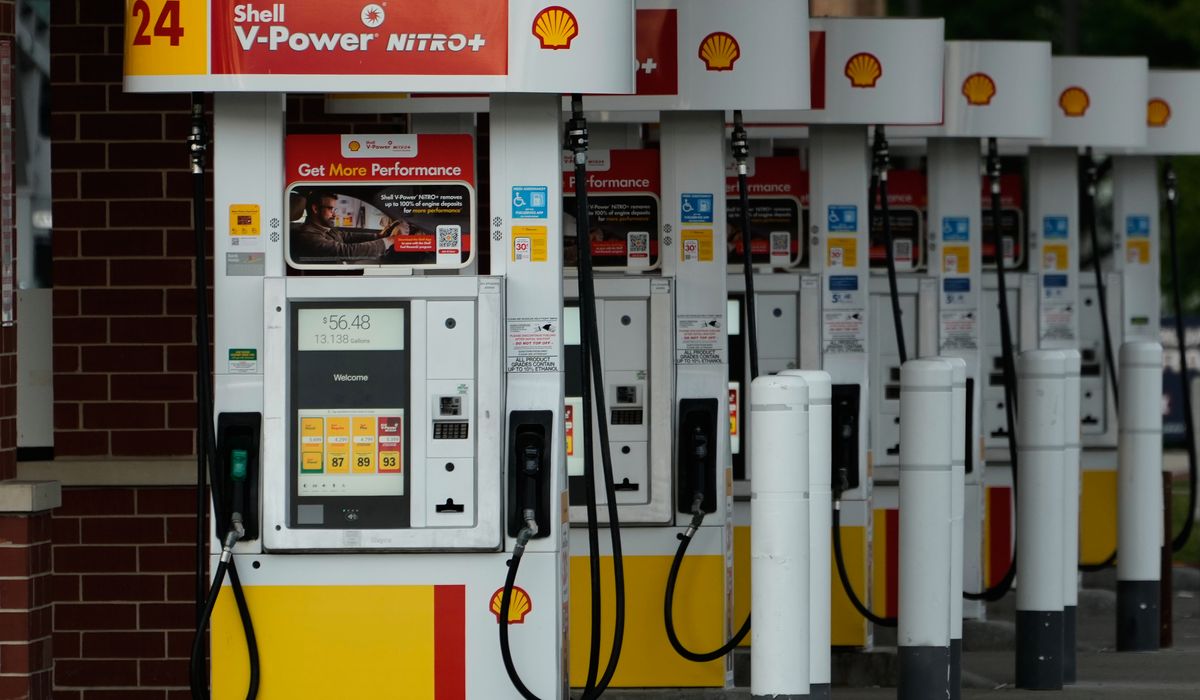
U.S. gas prices spiked to around $4 a gallon as new military actions between the United States and Iran rattled energy markets, sending costs higher at the pump and raising concerns about supply, policy, and household budgets.
U.S. gas prices jumped to an average of $4 a gallon again Monday as the U.S. and Iran launched more attacks. That sudden rise hit drivers who were already stretching budgets and pushed the price conversation back into the headlines. When foreign conflicts flare, oil markets react fast, and consumers feel it even faster. This is more than a market blip for many families.
Geopolitical risk is the immediate trigger: shipping routes, production stability, and investor confidence wobble when military action escalates. Traders price in the risk of reduced crude flows and higher insurance for tankers, and those added costs filter down to gas stations. The result is volatility at a moment when Americans can least afford it. Energy markets do not distinguish between political leanings and household pain.
Policy choices at home matter just as much as events overseas. Years of regulatory hurdles, mixed signals on drilling, and limited infrastructure leave the country more exposed to shocks. When domestic supply options are constrained, the U.S. has less buffer against disruptions abroad. That exposure translates directly into higher fuel costs for ordinary people.
There’s also the Strategic Petroleum Reserve, which can be tapped in emergencies but is not a cure-all. Draining the reserve helps in the short term but does not replace a steady flow of production. Releasing barrels is a bridge, not a long-term fix, and it means future flexibility is reduced. Real resilience comes from reliable domestic output and diversified global partners.
Higher gas prices ripple through the economy beyond filling stations. Transportation costs rise, which raises prices for goods and feeds inflation. Businesses with tight margins face squeeze, and consumers make tradeoffs on essentials. For voters, that’s a clear metric they notice at checkout and in weekly budgets.
The energy debate is often framed as a choice between security and climate goals, but practical policy recognizes both. Reliable energy keeps the lights on and the economy moving, while smarter technology and targeted emissions measures can advance environmental aims. The debate should focus on sensible balance, not absolutist positions that ignore consequences.
From a Republican vantage point, the solution starts with unleashing American energy potential and clearing the regulatory backlog that slows new projects. Encouraging responsible production and modernizing infrastructure reduce dependence on unstable regions and shield consumers from shocks. Markets function best when policy is predictable and permits sensible investment in the future.
At the same time, energy diplomacy matters. Building stronger ties with stable producers and protecting shipping lanes can lower the chance of crisis-driven spikes. A clear, consistent foreign policy that deters aggression without escalating conflict helps keep supply lines open. The price at the pump often reflects how well national strategy and domestic energy policy are aligned.
For everyday Americans, the pain at the pump is immediate and real, and it’s measured in budgets and freedoms sacrificed for rising costs. Lawmakers should remember that energy policy is economic policy in practice: when supply falters, families pay. The right mix of domestic production, thoughtful regulation, and steady diplomacy can make the difference between chaos-driven spikes and stable, predictable prices.

