

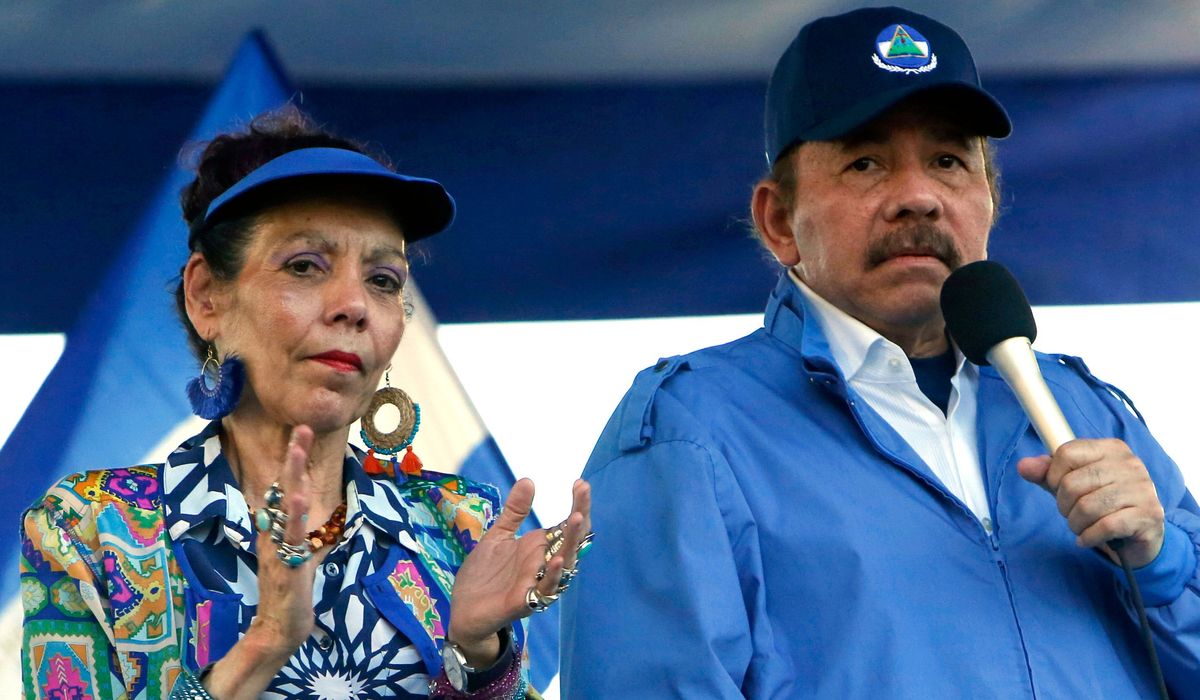
Nicaragua’s president has announced there will be no elections soon, a move that highlights his push to extend power and the broader crackdown on dissent that has reshaped politics and civil life in the country.
Nicaragua’s President Daniel Ortega said his country won’t be holding elections anytime soon, a statement underscoring the strongman’s efforts to extend his nearly 20-year rule and dash hopes for a quick return to democratic competition. The blunt announcement arrived after years of tightening control over institutions, civil society and the press. For many observers, it confirmed what critics have argued for a long time: elections are being delayed until the opposition is neutralized or weakened beyond recovery.
From a practical standpoint, delaying elections lets Ortega consolidate power and shape the political landscape without the unpredictability of ballots. That trend has included legal changes, pressure on independent media, and selective enforcement against opponents. The result is a political environment where formal processes remain, but their fairness and openness are deeply compromised.
The crackdown has had predictable human consequences: activists, opposition politicians and independent journalists face arrests, exile or the constant threat of legal persecution. Those measures chill civic life and make organizing under normal democratic rules nearly impossible. Ordinary citizens who want a different future often find themselves squeezed by both law and fear.
Internationally, the situation complicates relationships for democratic governments that value elections and human rights. Republican-leaning critics argue the response should be tough and principled, targeting kleptocracy and repression rather than lecturing from moral high ground. Pressure can be calibrated to punish abuse while avoiding policies that inadvertently hurt ordinary Nicaraguans who suffer under authoritarian rule.
Economically, the country pays a price when political stability depends on repression rather than consent. Investment and tourism decline if a nation becomes seen as unpredictable or unsafe. Even allies and regional partners grow wary when democratic norms erode, which can limit trade and diplomatic cooperation over time.
The message from Managua also matters geopolitically because it sets a tone for neighbors and the hemisphere. When an entrenched leader sidesteps elections without consequence, it signals to other strongmen that democratic processes are negotiable. That kind of permissive environment is bad for long-term regional stability and for countries that want reliable partners.
Domestically, Ortega’s approach moves power into a tight circle and weakens institutional checks that previously offered some restraint. Parliaments, courts and oversight bodies are hollowed out when they become extensions of a ruling clique. The erosion of these institutions makes future democratic recovery more difficult and more costly.
For citizens, the loss is not just political; it is social and moral too. A society where dissent is criminalized and civic space is closed suffers creative and economic setbacks. Young people, professionals and entrepreneurs often see no option but to leave or lay low, draining the country of talent and initiative.
The policy options for outside democracies are limited but meaningful. Republican voices tend to favor targeted measures that hurt regime insiders and protect vulnerable civil society actors. Sanctions, visa restrictions and careful diplomatic isolation can signal consequences for anti-democratic behavior while leaving humanitarian and development assistance tailored to help ordinary people.
That approach aims to avoid the trap of policies that only tighten the regime’s grip by providing it with a foreign enemy to blame. The goal is to make the cost of repression higher for those who benefit, and to keep lines open for those within the country who want a peaceful, democratic future. It is a strategy that balances pressure with pragmatic steps to preserve hope for change.
No one pretends this is easy. Undoing two decades of authoritarian drift will take time, tough diplomacy and persistent support for independent information and civic groups. But allowing a timeline-free, managed “no-election” status quo to stand unchallenged only rewards those who would trade democracy for durability and personal power.

