

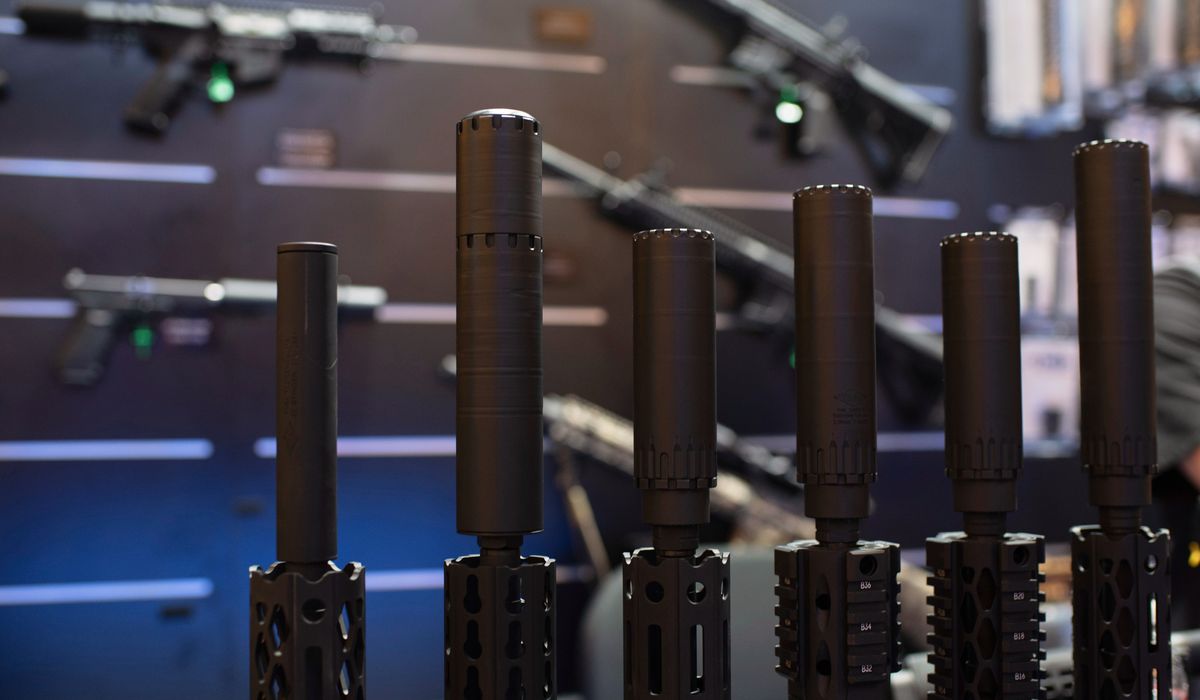
Federal court judges blocked silencer registration rules for the plaintiffs in a recent decision, ruling the registration requirement unconstitutional while limiting relief to those specific parties and leaving the broader regime intact for now.
A federal judge ruled Wednesday that the requirement to register silencers violates the Constitution for the people who brought the case, and the decision stopped short of a universal fix. The ruling targets the registration mandate itself but applies only to the named plaintiffs, so others remain subject to the same federal rules. That narrow scope makes the outcome important yet limited in immediate practical effect.
The legal fight centers on whether Congress and federal regulators may demand registration and control over silencers under the National Firearms Act and related statutes. For decades the NFA has treated certain items, like suppressors, differently than standard firearms by imposing registration and taxation requirements. Plaintiffs argued those rules run afoul of the Second Amendment and the court agreed for their situation, finding the registration scheme unconstitutional as applied here.
The decision lands as a check on administrative reach, at least for the people in the case, and it underscores how courts can push back when agencies extend statutory authority. The Biden administration and the ATF have taken expansive positions on what the law covers, and judges are increasingly being asked to police those lines. This ruling signals that judges will scrutinize agency interpretations that touch on core constitutional rights.
Because the relief is limited, the immediate legal landscape stays messy. People who were not parties to the suit do not get a free pass from registration requirements, and federal enforcement can continue against others. That creates a patchwork where some individuals are exempt by court order while the overall regulatory framework still operates for the general public.
An appeal is likely, and higher courts will have to decide whether this narrow ruling should be broadened or reversed. The appellate path could take the question to the circuit courts and eventually to the Supreme Court if the stakes and splits warrant it. A broader ruling from an appellate court would settle the issue more cleanly, but for now the matter remains unresolved on a national scale.
For owners and manufacturers, the ruling introduces uncertainty. Those named in the case can move forward without complying with the challenged requirement, but businesses and hobbyists outside that circle must still weigh compliance, potential penalties, and enforcement risk. The split between individual relief and general rules will keep lawyers busy and policymakers watching.
The political angle is clear from a conservative legal perspective: protecting individual firearms rights means pushing back against regulatory expansion that was never intended by Congress. Courts are being asked to enforce constitutional limits when agencies interpret statutes in ways that impose broad restrictions. This decision reflects that dynamic and demonstrates the judiciary’s role in checking administrative power tied to sensitive constitutional rights.
Expect the next moves to play out in briefs and appeals, where judges will grapple with statutory text, historical context, and constitutional guarantees. Until higher courts speak, the landscape will remain a mix of limited judicial relief and continuing regulatory authority. Observers on both sides will be watching closely for how this limited victory shapes future litigation and policy debates.

