

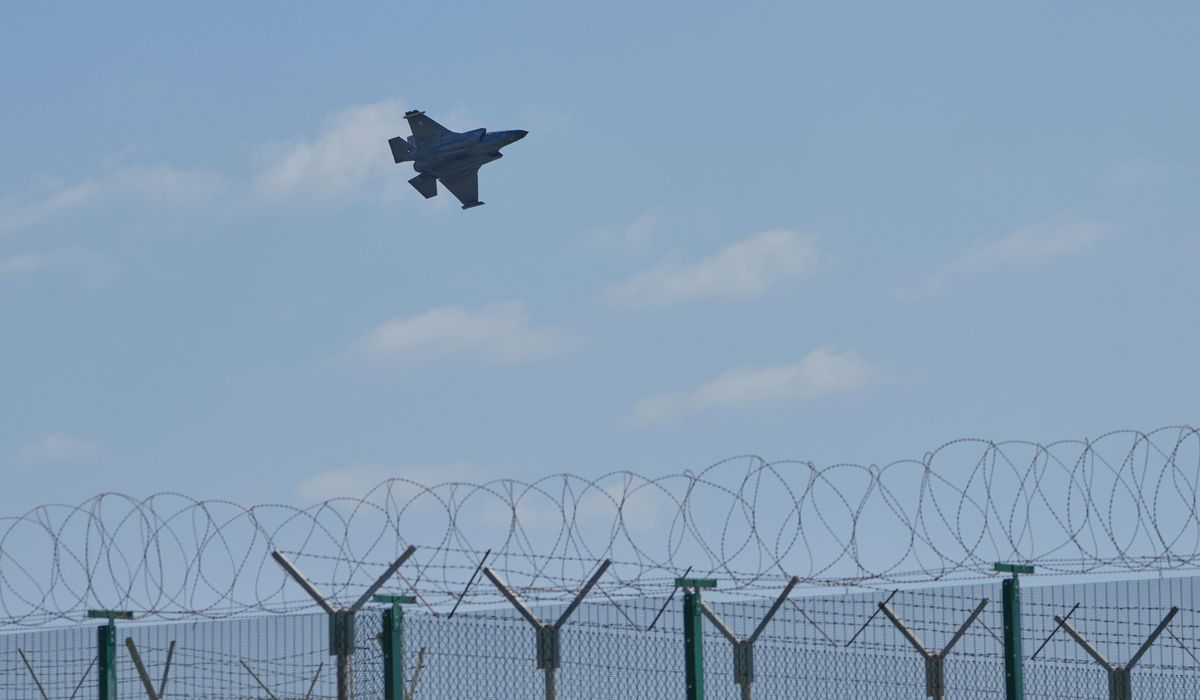
NATO publicly said Wednesday it stands ready to defend every member if Iran chooses to strike U.S. military assets in Europe, responding to reports that Tehran was weighing attacks on American forces overseas; the alliance’s posture underscores allied unity and a warning that aggression will meet a united response.
Allies are lighting a clear lamp: the transatlantic coalition will not tolerate strikes on its soil or on forces stationed across Europe. From a Republican point of view, that readiness is welcome and necessary—deterrence only works when threats are met with obvious, credible resolve. Weakness invites miscalculation, and signaling readiness reinforces the costs of aggression.
Reports that Iran considered targeting U.S. military sites in Europe are alarming but not surprising given Tehran’s pattern of malign action abroad. Those reports prompted NATO leaders to reaffirm collective defense under Article 5, signaling that an attack on one is an attack on all. That public stance both reassures partners and complicates any Iranian calculus that might rely on fractured allied responses.
On the ground, reinforcing deterrence means practical steps: smarter basing, improved missile defenses, and clearer rules of engagement for protecting forces and facilities. It also means stronger intelligence sharing among allies to detect and disrupt threats before they can be executed. From a conservative perspective, investment in capabilities matters as much as words—our forces must be able to act and to survive in contested environments.
Political leaders should also use sanctions and diplomatic pressure as force multipliers. When Iran contemplates attacks, the toolbox should include swift economic consequences that hit Tehran’s leadership and its ability to project violence. Republicans argue that when deterrence is backed by economic pain and political isolation, aggression becomes a much tougher sell for bad actors.
Any discussion about strikes in Europe raises the question of proportionality and escalation control, and those talks have to be led by elected officials who understand risks. Military plans must be precise and tied to clear political objectives so allied action does not drift into uncontrolled conflict. At the same time, contingency planning must assume adversaries will test limits and prepare to respond decisively.
Public messaging matters as much as deployments. NATO’s statement serves to blunt any Iranian attempt to exploit confusion, while also reminding domestic audiences that protecting servicemembers abroad is a nonpartisan duty. For Republicans committed to a strong national defense, the right mix is tough public posture combined with concrete preparations so deterrence is credible, not just rhetorical.
Longer term, allies should press for a strategy that constrains Iran’s regional reach and support for proxy violence without plunging Europe into unwanted hostilities. That strategic objective blends pressure with options for de-escalation if Tehran returns to restraint. Conservative policy favors maintaining maximum pressure while preserving clear pathways to reduce tensions if Tehran changes behavior.
In short, NATO’s readiness declaration this Wednesday was the sort of blunt clarity needed to prevent miscalculation: allies will defend one another, and threats against U.S. forces in Europe will not be ignored. The mix of deterrence, capability upgrades, sanctions, and coordinated diplomacy offers the best chance to keep Americans and partners safe while avoiding unnecessary escalation.

