

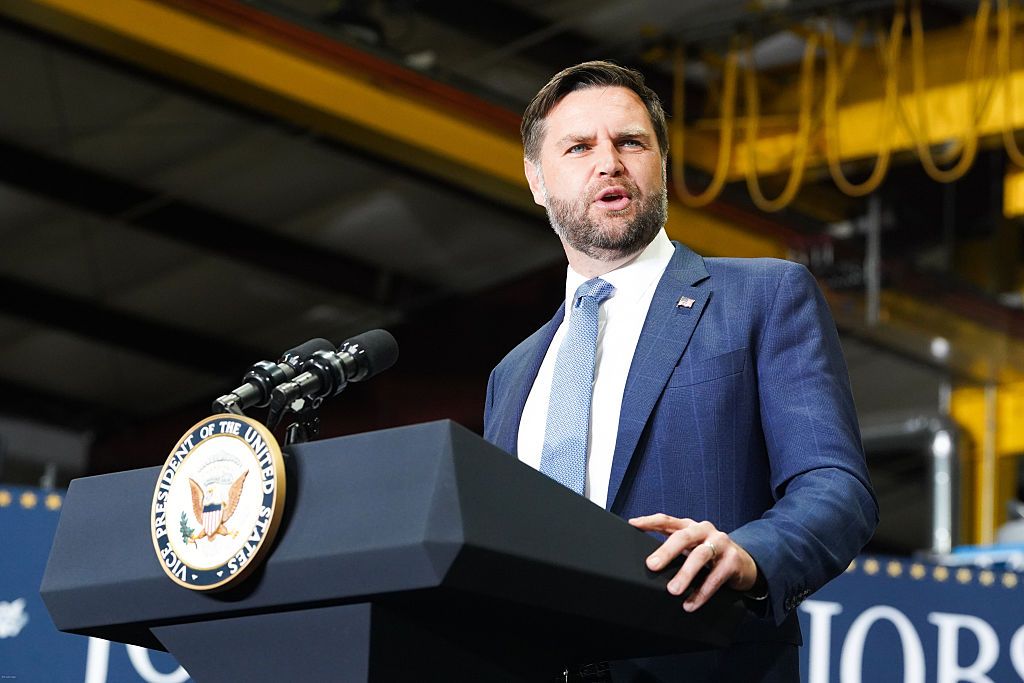
Republican organizers are rolling out the first-ever GOP midterm convention to help congressional and gubernatorial hopefuls, a plan meant to consolidate energy and resources but one already tagged by party leadership as “Trumpapalooza,” raising questions about whether the event will lift candidates across the board or simply recycle the same national dynamics that dominate headlines.
The convention, scheduled this cycle with sights set on boosting state and House races, brings a mix of optimism and skepticism from conservative operatives. Party strategists say concentrated messaging and shared infrastructure can help underfunded contenders, while critics worry it will draw attention away from local issues voters actually care about. That tension sits at the heart of the debate heading into Aug 29, 2026 and beyond.
Republicans favor practical approaches: coordinate messaging, funnel volunteers where they matter most, and create economies of scale for small campaigns. The convention promises workshops on fundraising, field operations, and compliance — tools that candidates in tight districts need. Yet those practical gains can be eclipsed when the spotlight shifts to national personalities and big-name appearances.
“Trumpapalooza” is not just a sound bite; it shapes perception. When the GOP chairman coined the phrase, he signaled both the event’s potential to energize the base and a risk that the brand of the gathering will be viewed as a one-man show. For down-ballot candidates, that double-edged label matters: it can draw crowds and boost turnout, but it may also make it harder for local campaigns to define themselves independently.
On the ground, officials expect a mix of veteran politicos and fresh faces seeking practical help with microtargeting and turnout. County chairs, field directors, and small-dollar fundraisers can learn and trade techniques that work in their states. The convention can be an efficient way to share data-driven tactics that have cut through this cycle’s noise, provided national theatrics don’t swallow the sessions meant for local wins.
There’s a clear metric to watch: conversion. Getting supporters to a rally is simple; turning that enthusiasm into volunteer shifts, small donations, and votes in a narrow district is not. If the convention produces replicable playbooks and measurable shifts in early vote programs or absentee ballot outreach, the investment will pay off. If it only generates headlines and social media spikes, results will be thin.
From a Republican perspective, the event should be about building infrastructure, not celebrity. That means training field staff, coordinating ad buys in overlapping media markets, and offering legal resources for election-day contingencies. When the party focuses on those nuts-and-bolts tasks, even tough districts can see improved outcomes, especially when matched with targeted messaging that resonates locally.
Still, the optics matter. Opponents will paint a national convention as evidence the GOP is more interested in spectacle than substance, a narrative that can stick if the event looks like a rerun of national rallies. Republicans need to control that frame by showcasing success stories: candidates who used convention resources to flip a seat or survive a recount thanks to better voter protection plans. Concrete examples beat slogans every time.
Financially, pooling resources can help cash-strapped campaigns, but organizers must be transparent about allocation. Donors want assurance their money helps winnable races, not just marquee events. Clear reporting on where funds go and how they translate into volunteer hours, mail pieces, and digital impressions will build trust for future conventions.
The first GOP midterm convention is a test of whether a party can centralize support without erasing local identity. If organizers balance national star power with practical, measurable help for the grassroots, the convention could be a smart use of resources. If not, it risks delivering more spectacle than substance, and that would be the real downside for candidates who need votes, not applause.

