

Lydia Jane Wade McWhorter, long thought anonymous, has been identified through DNA and genetic genealogy, closing the last open case linked to serial killer Keith Hunter Jesperson after her body lay unclaimed beside a California highway for 34 years.
Riverside County investigators announced that DNA testing confirmed the woman found along Highway 95 near Blythe in 1992 is Lydia Jane Wade McWhorter of Texas. The identification resolves the final unresolved victim tied to Keith Hunter Jesperson, the long-haul truck driver who called himself the “Happy Face Killer.” This closes a decades-old mystery for investigators and family alike.
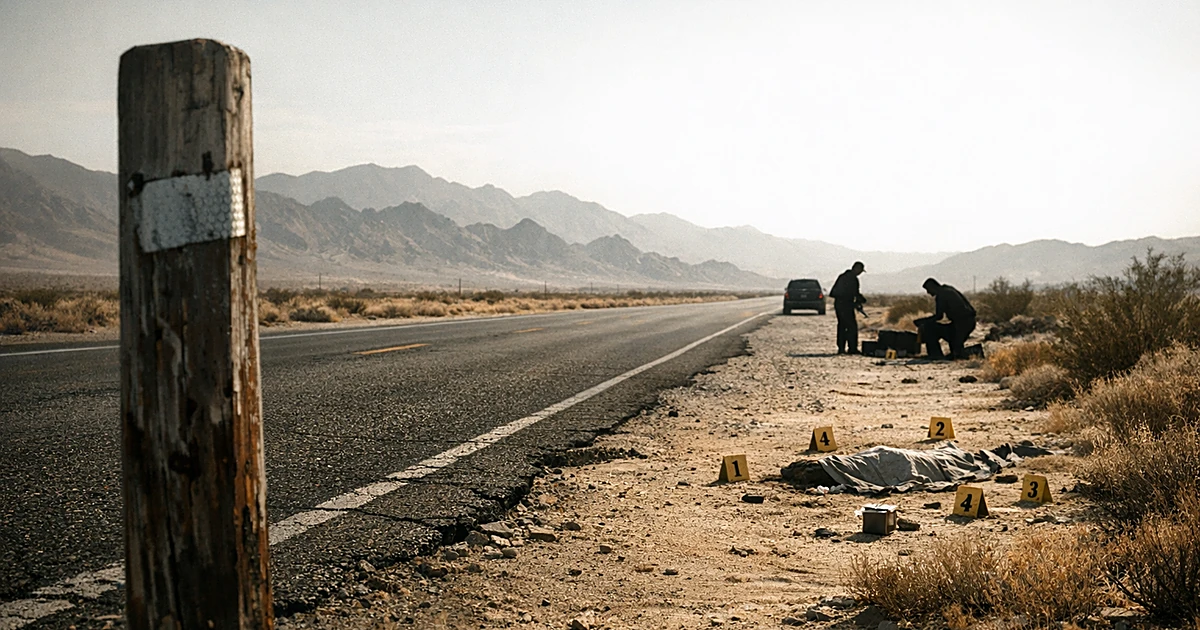
McWhorter’s remains were discovered on Aug. 30, 1992, about seven miles north of Blythe, a small desert city near the Arizona border. For years, she was known only by the alias “Claudia,” the name Jesperson used, and her real identity remained a dead end. The body lay unclaimed and unidentified until the cold case unit reopened the file in 2024.
The renewed effort relied on genetic genealogy, which matches DNA profiles with databases of voluntary relatives to locate kin and narrow identities. That approach first connected investigators to relatives on McWhorter’s father’s side, leading to identification of a paternal half-sister. Later work tied the profile to a direct maternal relative, giving the team the confirmation they needed.
Investigators identified Summer Gonzales as McWhorter’s paternal half-sister, and she told authorities she wanted to learn her sister’s real name and bring her home. The county’s Cold Case Unit followed multiple leads and DNA matches until a sample collected earlier in the week confirmed the identity beyond doubt. The family is now working with Riverside County Division of Victim Services on next steps for a proper burial and commemoration.
“I want to thank the public for the role you play in our investigations. When people take the time to share information, submit a tip or simply pay attention to what is happening in their community, it can make a real difference. You may not know where a piece of information will lead, but our investigators will follow it. Most importantly, I hope this will finally bring closure to Lydia’s family.”
Jesperson confessed to killing eight women across six states—California, Washington, Oregon, Florida, Nebraska, and Wyoming—between 1990 and 1995. He earned the nickname “Happy Face Killer” by sending letters about his crimes to media outlets and signing them with a smiley face. He was arrested in 1995 and has been linked to multiple murders since.
On Jan. 8, 2010, Jesperson pleaded guilty to McWhorter’s murder in Riverside County and received a sentence of 25 years to life. He is serving multiple life sentences in an Oregon prison. With McWhorter’s identification, authorities say this closes the last remaining unresolved case connected to his confirmed murders.
Genetic genealogy has become a crucial tool in solving cold cases that stalled before modern DNA methods existed. Recent breakthroughs using similar techniques have led to arrests and identifications in other long-cold files, showing how new science can rewrite old endings. Investigators say patient, methodical work by local teams—tracking DNA, interviewing relatives, and following up tips—often produces the results families need most.
Families like McWhorter’s often endure decades of uncertainty, and unnamed victims pose an added wound for relatives trying to grieve. Missing persons cases and unidentified remains continue to surface across the country, reminding communities that some victims still await a name. Local victim services and cold case units frequently partner with families to provide options for memorials and burials once identities are confirmed.
McWhorter’s name, Lydia Jane Wade McWhorter, has been returned to her family after 34 years of unanswered questions. The identification underscores how persistence, community information, and evolving forensic tools can alter the course of a case long thought closed. For those who work these files and for the families who wait, a name matters, and in this case the name has finally come back to the people who loved her.

