

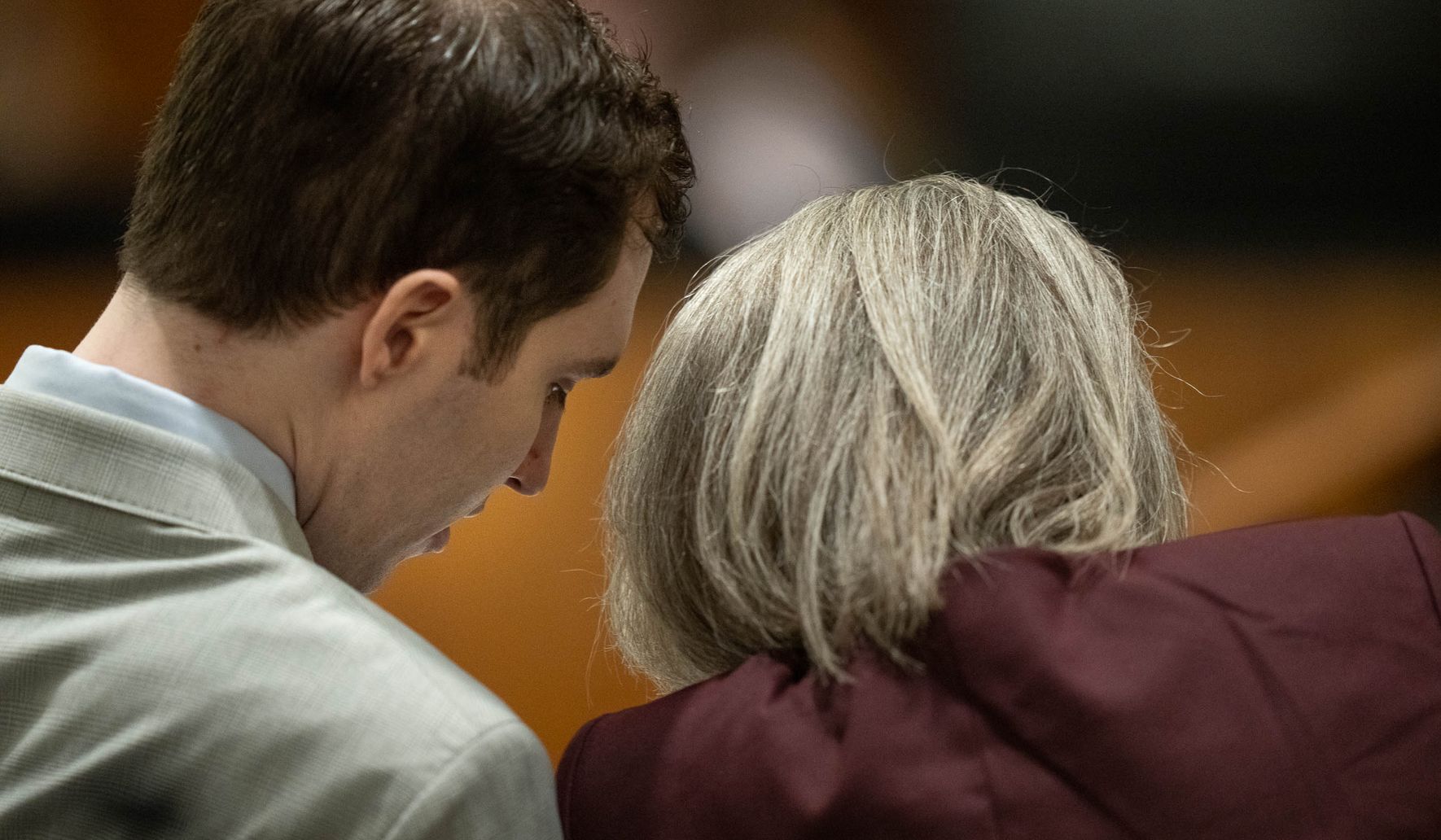
A Utah judge has ordered that the suspect in the attack linked to Charlie Kirk face trial, setting the stage for a high-stakes legal battle that touches on public safety, political violence, and the death penalty.
The courtroom decision this week drew immediate attention because of who was allegedly targeted and the severe charges involved. “A Utah judge ruled Tuesday that Tyler Robinson must stand trial for aggravated murder and face the death penalty in the Charlie Kirk assassination.” That statement from court proceedings makes clear the stakes: this is a capital case moving forward, not a dismissed or reduced charge.
From a Republican perspective, the reaction is predictable and blunt: justice should be swift, thorough, and uncompromising when political figures are attacked. People who hold public office or who shape public opinion deserve protection under the law just like everyone else. The judiciary moving this case to trial signals the system is treating the matter as seriously as citizens expect.
Procedurally, this ruling launches the pretrial grind that will test prosecutors, defense lawyers, and judges. Expect motions over evidence, disputes about admissibility, and fights over gag orders and venue if the defense argues local prejudice. Those legal skirmishes are part of how a fair jury trial is preserved, even when emotions run high.
The death penalty angle raises additional complexities that Republicans often support in clear-cut, heinous cases, while also insisting on rigorous standards to avoid mistakes. Capital cases involve extra layers: special hearings, heightened standards for jury selection, and a longer appellate path. That process is deliberate by design; it aims to balance final accountability with safeguards against wrongful convictions.
Public safety and political discourse collide in cases like this, and Republican commentary tends to emphasize both condemnation of violence and defense of free speech. Violent attacks should be isolated criminal acts, not symptoms of political debate. Lawmakers and party leaders often call for unity around the basic principle that disagreement must stay nonviolent and within legal bounds.
Media coverage will be relentless, which can complicate jury selection and trial fairness, a point both sides will litigate. Defense teams can argue pretrial publicity poisons the pool, while prosecutors will stress the public interest in transparency. Judges will have to manage that tension carefully, balancing open courts with the need for an impartial jury.
No trial outcome is guaranteed, and appeals are virtually certain if there’s a conviction, especially with death penalty exposure. Republicans who support tough penalties also typically insist on exhausting all legal remedies to ensure just outcomes. The next chapters will be a combination of courtroom strategy, evidence battles, and long-term legal review that could take years to fully resolve.

