

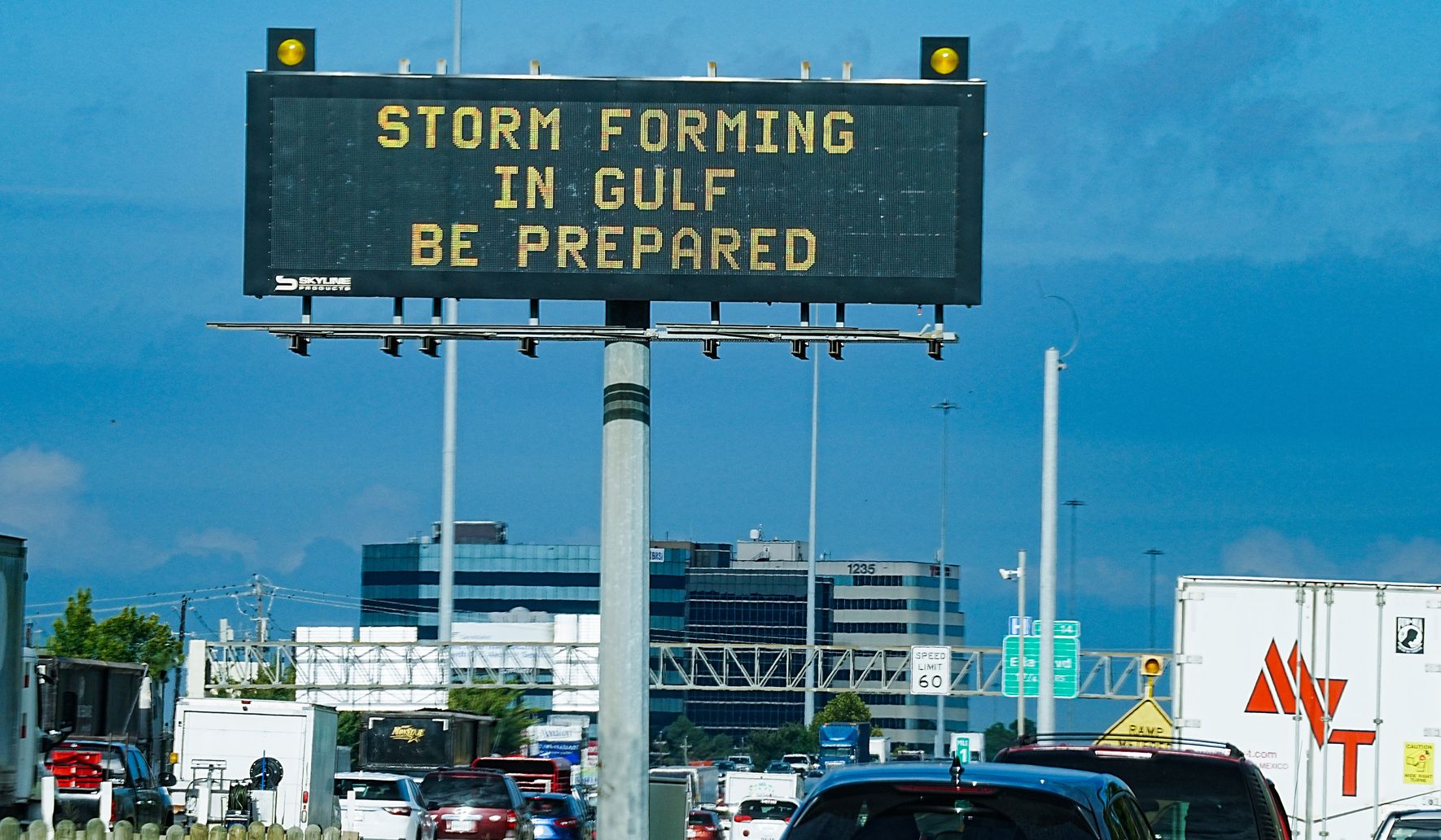
Tropical Depression Edouard moved through southeastern Texas with heavy rain and gusty winds, causing widespread outages, downed trees, and flooded streets while response teams worked to restore services and clear hazards.
“Tropical Depression Edouard unleashed heavy rain and strong winds on southeastern Texas Tuesday, knocking out power to thousands, toppling trees and flooding roads.” That short, sharp description captures what residents woke to as the system passed through. The combination of steady precipitation and gusts left neighborhoods waterlogged and strewn with branches, and utility poles and transformers were among the hardest-hit infrastructure. For many people the immediate problem was simply getting from one place to another without encountering standing water or debris.
Power companies reported large outage maps and mobilized crews, though restoring service in wind- and water-damaged areas takes time and careful work. Crews had to navigate downed lines and blocked streets before repairs could begin, and that slows restoration in neighborhoods with heavy damage. Local authorities prioritized areas where power loss affected critical facilities and where trees had fallen on homes and vehicles. In several communities, residents were urged to report hazards and avoid standing water near electrical equipment.
Road crews and public works teams set up barriers and posted temporary warnings where flooding made routes unsafe, while towing and cleanup services handled vehicles stranded in high water. Flooded roads create hidden dangers under murky water, making detours and traffic advisories necessary even after the main rain moved on. Tree removal took shape around the clock in places with multiple blockages, and crews relied on chainsaws and heavy equipment to clear fallen branches and trunks. Clearing main arteries allowed emergency services to reach affected neighborhoods more quickly.
Emergency management offices kept an eye on storm-related risks like localized flash flooding and potential freshwater runoff into drainage systems, and they coordinated with county and city departments on quick response. Sheltering and short-term assistance options were arranged for people whose homes lost power or sustained damage, and municipal operations centers tracked where resources were most needed. Private contractors and volunteer groups joined municipal efforts to distribute sandbags, remove debris and help elderly or mobility-challenged residents. Coordination between agencies helped prevent duplication of effort and made relief more efficient.
Where businesses experienced interruptions, owners had to weigh safety, staffing and customer access as roads and power remained unpredictable. Many small operations switched to generator power or paused services until roads were passable and electricity returned. Schools and institutions adjusted schedules or shifted to remote options when conditions made travel unsafe, and employers accommodated workers affected by outages or property damage. These disruptions underscored how even a downgraded tropical system can ripple through daily life and local commerce.
Insurance and recovery processes moved into focus for property owners who found water in basements or wind damage to roofs and siding, and claims offices logged calls as adjusters began assessments. Documenting damage with photos and records helps speed claims, and public information lines supplied guidance about how to safely report losses without putting people at risk. Contractors and cleanup services saw immediate demand for tarping, pumping and debris hauling. Recovering yards and communities from uprooted trees and ruined landscaping will be a longer, seasonal task for many homeowners.
Public health officials reminded people about hazards that linger after the storm: contaminated water, unstable trees, and the risk of mold in water-damaged structures. Even after floodwaters recede, the cleanup phase can pose risks from weakened structures and unseen contamination, and professionals advised caution around generators and electrical repairs. Waste management services planned extra pickups for storm-generated debris, and local recycling centers adjusted schedules to handle increased volume from damaged vegetation. The health and safety aspects of cleanup are often as time-consuming as the physical repairs.
As crews finished immediate actions and attention turned to recovery, communities began tallying costs and planning longer-term fixes to drainage and tree management. Restoring service and reopening streets were the visible milestones, but the work to rebuild landscaping, repair roofs and replace damaged equipment will continue for weeks. Neighborhoods relied on volunteers and mutual aid to speed the process, while municipalities evaluated whether infrastructure upgrades could reduce similar impacts from future storms. The scene after Edouard was one of steady work: crews cutting, hauling, repairing and making sure the next rain doesn’t hit already weakened systems.

