

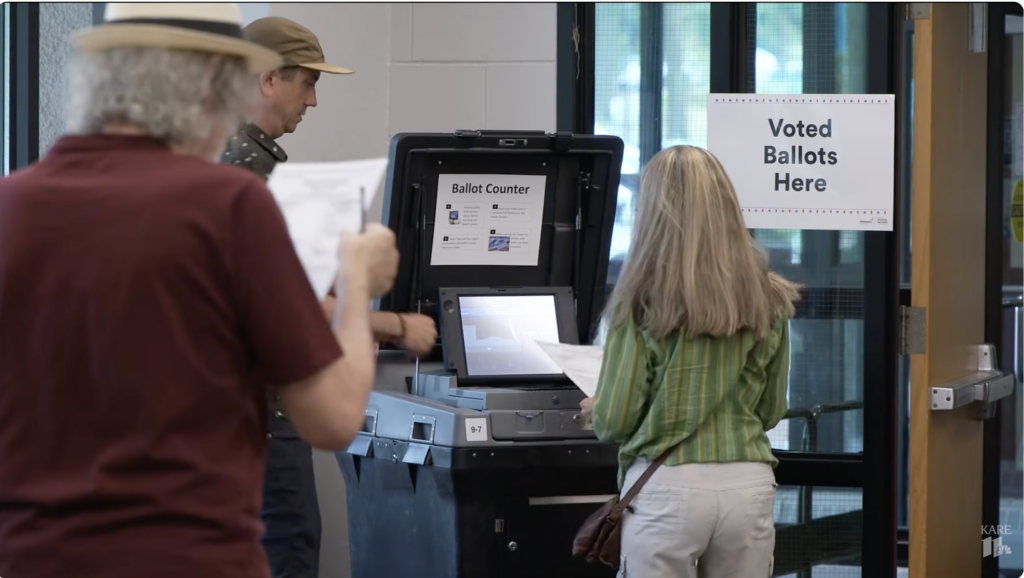
The Civil Rights Division Plans to deploy 1,000 monitors to polling sites across the country amid mounting election integrity concerns. This move raises questions about federal reach, state authority, and the real goal of courthouse oversight during election season.
The announcement lands in a charged environment where many voters want clear, straightforward rules and real accountability. From a Republican perspective, federal involvement should focus on preserving ballots and preventing fraud without turning polls into enforcement zones. People want protection for honest voting and respect for local control at the same time.
The Civil Rights Division Plans to deploy 1,000 monitors to polling sites across the country amid mounting election integrity concerns. That specific number and the language of deployment suggest a broad, national push rather than a narrowly targeted effort. Republicans will view mass monitoring as a top-down approach that risks politicizing ordinary election work and undermining trust where cooperation is most needed.
Federal monitors can help when states lack the capacity to handle abuses, but the record shows many states already run their elections transparently. Mandating monitors everywhere treats distinct problems as a single crisis and ignores state-by-state improvements in voter ID, chain-of-custody procedures, and bipartisan oversight. The better route is targeted assistance and technical support instead of a blanket presence that looks like interference to local officials and volunteers.
There are real concerns voters raise about ballot handling, drop boxes, and verification procedures, and those deserve tough, consistent scrutiny. Republicans argue that scrutiny should include audits, prosecutions for bad actors, and clear reporting standards that protect lawful voters. Monitoring without follow-through becomes a theatre of oversight that satisfies headlines but does not fix vulnerabilities that let fraud occur or that discourage honest participation.
Deploying monitors also creates logistical and legal questions: who chooses the monitors, how are conflicts resolved, and what safeguards protect voter privacy and ballot secrecy. Republicans insist any federal role must respect state sovereignty, follow existing election law, and make sure observers act impartially and transparently. Without those limits, monitors can be perceived as advancing a political agenda rather than enforcing equal treatment under the law.
Finally, the goal should be simple: secure elections that people trust and that are run by local officials accountable to their communities. Republicans favor strengthening penalties for fraud, improving printing and chain-of-custody practices, and funding clear, bipartisan training for poll workers. If the Department of Justice can align its effort with those practical fixes and avoid blanket interventions, some of the partisan heat around this plan could be eased.

