

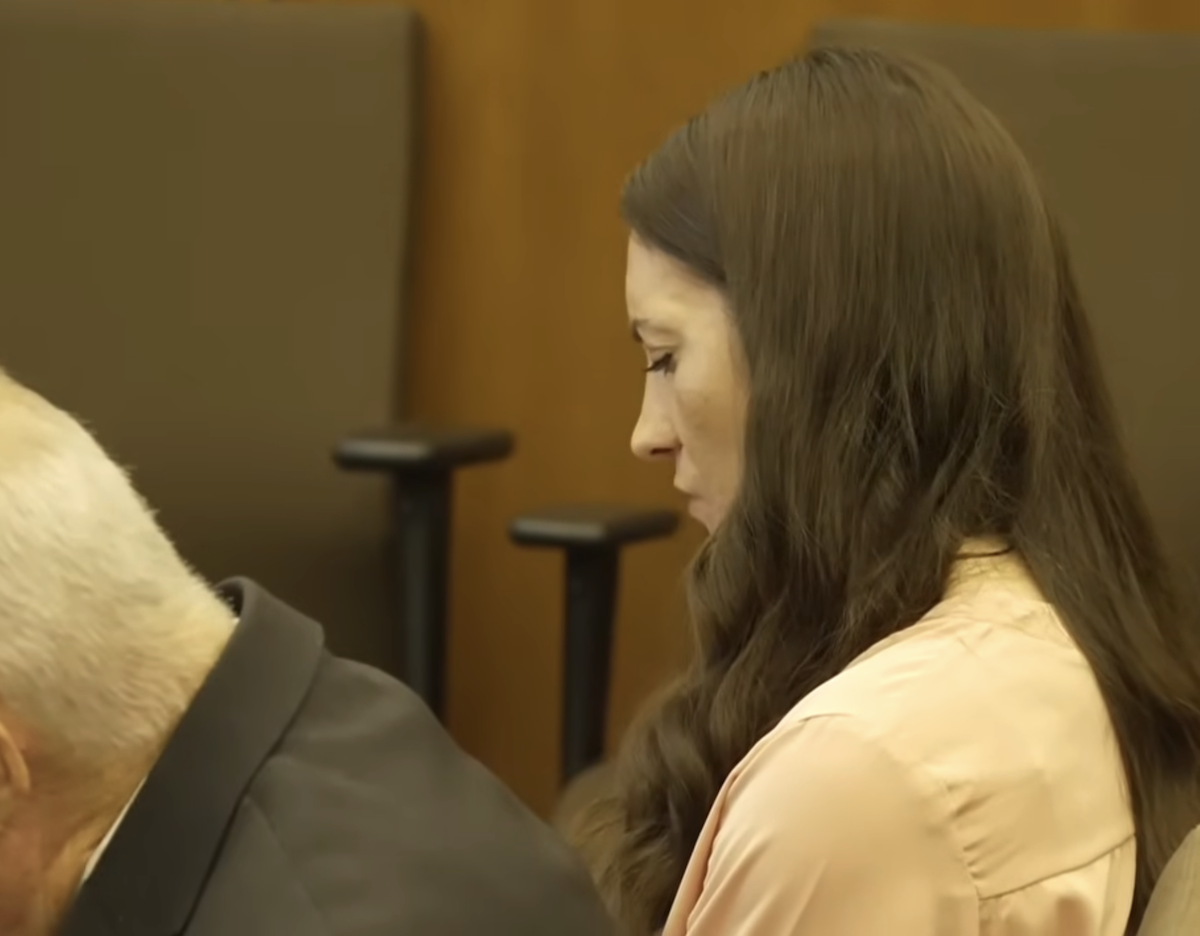
After the mistrial in the Lindsay Clancy case, attention turned to a striking example of public behavior that surfaced while Plymouth County District Attorney Timothy Cruz spoke to reporters.
The mistrial in the Lindsay Clancy case left a lot unsettled, and it immediately put a spotlight on how high-profile legal moments get staged in public. Watching what played out at the courthouse, many observers noticed a particular pattern of demeanor and messaging from people close to the story. That pattern is worth examining separate from the legal details, because it shapes how the public understands guilt, grief, and responsibility.
There was a moment while Plymouth County, Massachusetts, District Attorney Timothy Cruz was talking to news media that crystallized how these dynamics work. In the press scrum, gestures, facial expressions, and offhand remarks matter as much as formal statements. Those small signals can tilt public sympathy or skepticism in ways that rarely get talked about in courtrooms.
What I mean by a certain kind of woman is not a blanket category but a recognizable role: someone who channels private turmoil into a public presentation crafted to influence an audience. That performance can include overt displays of emotion, selective storytelling, and an insistence on a single narrative. The result is often a muddied public impression that complicates the legal process and the public’s ability to sort facts from theater.
This pattern shows up across headlines beyond any one case, and it plays to predictable reactions from reporters and the public. Media outlets hungry for immediacy respond to theatrical cues, and audiences respond to stories that feel emotionally complete. That feedback loop encourages similar behavior in future incidents, whether motivated by grief, reputation management, or other pressures.
The legal system has limited tools for policing public behavior that affects public perception but not court records. Judges can sequester juries, impose gag orders, or sanction witnesses in narrow circumstances, but much of the spectacle takes place outside the courtroom’s reach. Because of that, the court of public opinion often operates under different rules, amplifying impressions that may or may not reflect what happened inside the trial.
It’s important to separate sympathy from strategy when watching these moments unfold, and to remain skeptical of narratives presented as complete explanations. Emotion is real and grief is genuine for many involved, yet orchestration and optics are real, too, and they deserve scrutiny. A clear-eyed public response should question presentation as readily as it extends compassion.
Reporters have a responsibility here, too, since the way journalists frame soundbites or gestures can either add context or feed the spectacle. Simple choices—asking follow-up questions, checking timelines, and avoiding purely emotional framing—make a difference. When coverage leans heavily on performance, the public learns to prioritize drama over evidence.
That doesn’t mean dismissing people who show emotion or assuming bad motives where none exist, but it does suggest a need for discernment. High-profile trials often mix real suffering, ambiguous facts, and strategic communication in a volatile mix. Observers should watch for recurrent patterns instead of treating each moment as wholly unique.
As the Lindsay Clancy mistrial settles into the record, the public should note how off-camera behavior and media choreography shape perceptions just as much as testimony. The incident with the DA and the surrounding media moment offered a clear example of how performance and narrative can influence opinion. Understanding that dynamic helps citizens and journalists demand clarity, resist manipulation, and focus on substantive evidence rather than theatrical signals.

