

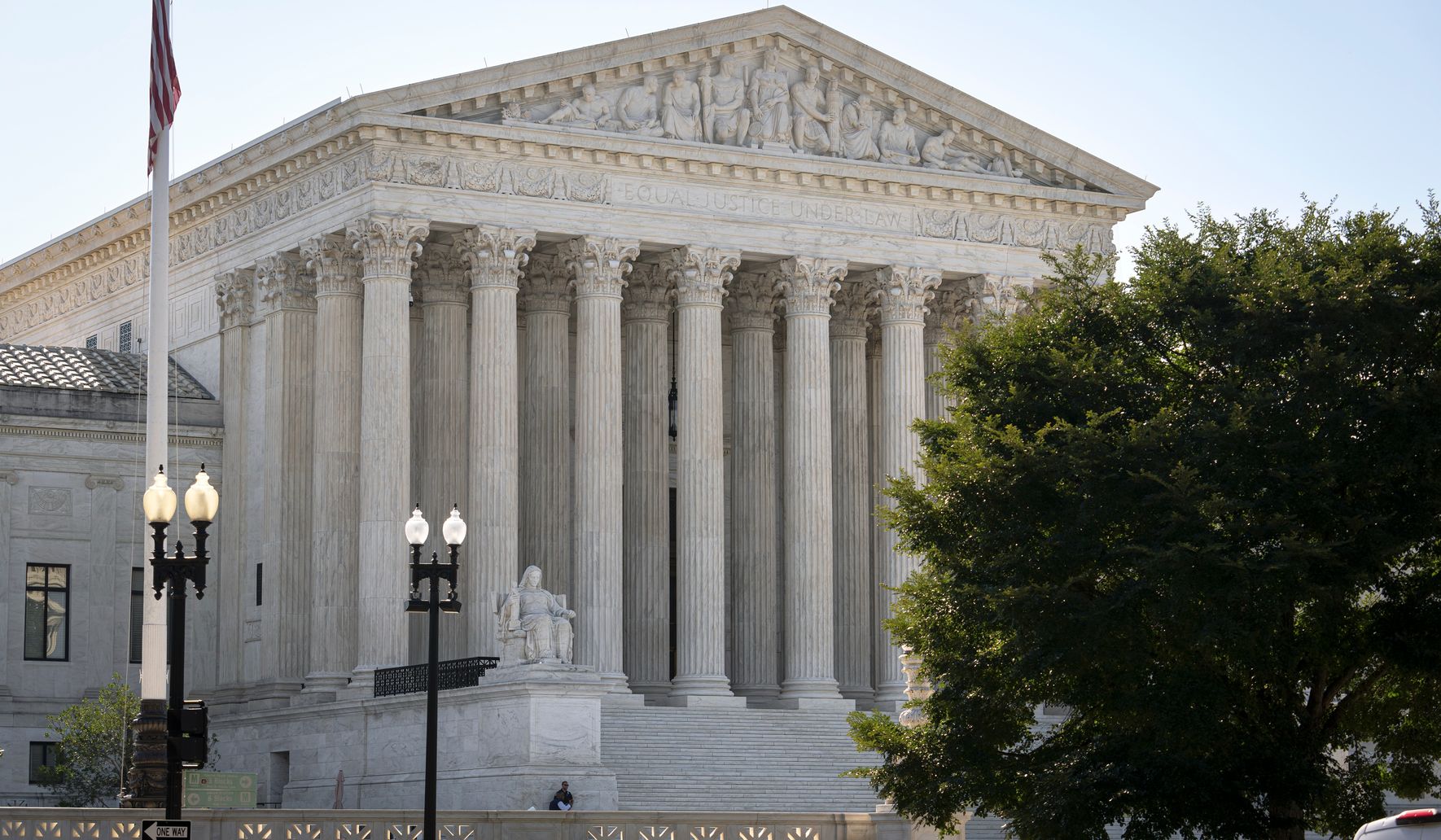
The Supreme Court’s Friday decision gave Republicans a win by clearing the way for GOP political committees to coordinate on campaign ads and pay the lowest possible advertising rates, shifting how Senate races will be run and funded in the closing stretch of the campaign season.
The ruling removes a major barrier that long kept campaign committees and outside groups operating on separate tracks, at least when it comes to ad buys and messaging. For Republicans, that change translates directly into more efficient spending, tighter message control, and faster reactions in tight Senate contests. It also reshapes how campaigns plan media buys across multiple markets, often cutting costs while amplifying reach.
Campaign veterans on the right are already talking about operational advantages: coordinated ad schedules, shared creative, and the ability to lock in the lowest rates available from broadcasters. Those moves matter when margins are thin and turnout is everything, because every saved dollar buys more airtime in critical media markets. That practical edge can translate into dozens or even hundreds of thousands of additional impressions in targeted districts.
Legally, the decision rests on a blend of free speech principles and a narrower view of coordination rules that previously limited what committees could do with vendors and consultants. Conservatives framed the case as correcting an overreach that hamstrung political actors trying to speak effectively to voters. Opponents warned about blurred lines between independent groups and candidate campaigns, but the Court’s majority prioritized the mechanics of communication and market fairness.
Strategically, Republican operatives see immediate opportunities in states where Senate margins are razor-thin. Coordinated buys let party committees concentrate resources and deploy ads that match a district’s dynamics without running afoul of prior constraints. That’s especially useful late in a race, when timing and message unity often decide close contests and when the cheapest available rates stretch every campaign dollar.
Critics will argue this opens the door to greater influence by large donors and deep-pocketed entities, and Democrats will use that argument in public messaging. Republicans counter that these changes democratize access to the airwaves by allowing campaigns to buy ads more efficiently and get messages to voters without unnecessary legal hurdles. The debate will now play out in court filings, campaign plans, and, most importantly, the airwaves themselves.
The practical upshot for media sellers is also plain: broadcasters and digital platforms could see a surge in coordinated buys from single points of contact, driving volume and squeezing per-spot prices. That commercial reality makes it easier for party committees to demand the lowest unit rates they can secure, and it creates incentives for sellers to offer bulk discounts when campaigns consolidate purchases. The market response will be swift because airtime inventory and campaign calendars are tightly coupled this cycle.
The decision injects new urgency into how Republican campaigns manage vendors, legal counsel, and compliance teams. Teams will have to map out what coordination looks like under the Court’s guidelines and build playbooks that use the ruling without crossing renewed legal lines. For voters, the immediate effect will often be an uptick in more synchronized messaging from GOP groups and candidates in battleground contests.
Looking ahead, expect Democrats to revisit disclosure rules and press for legislative responses, while Republican strategists lean into the operational advantages. The ruling does not erase political competition, but it does change the resource calculus for campaigns fighting for Senate control. With this new landscape, ad buys, timing, and unified messaging become even more decisive tools for deciding closely contested seats.

