

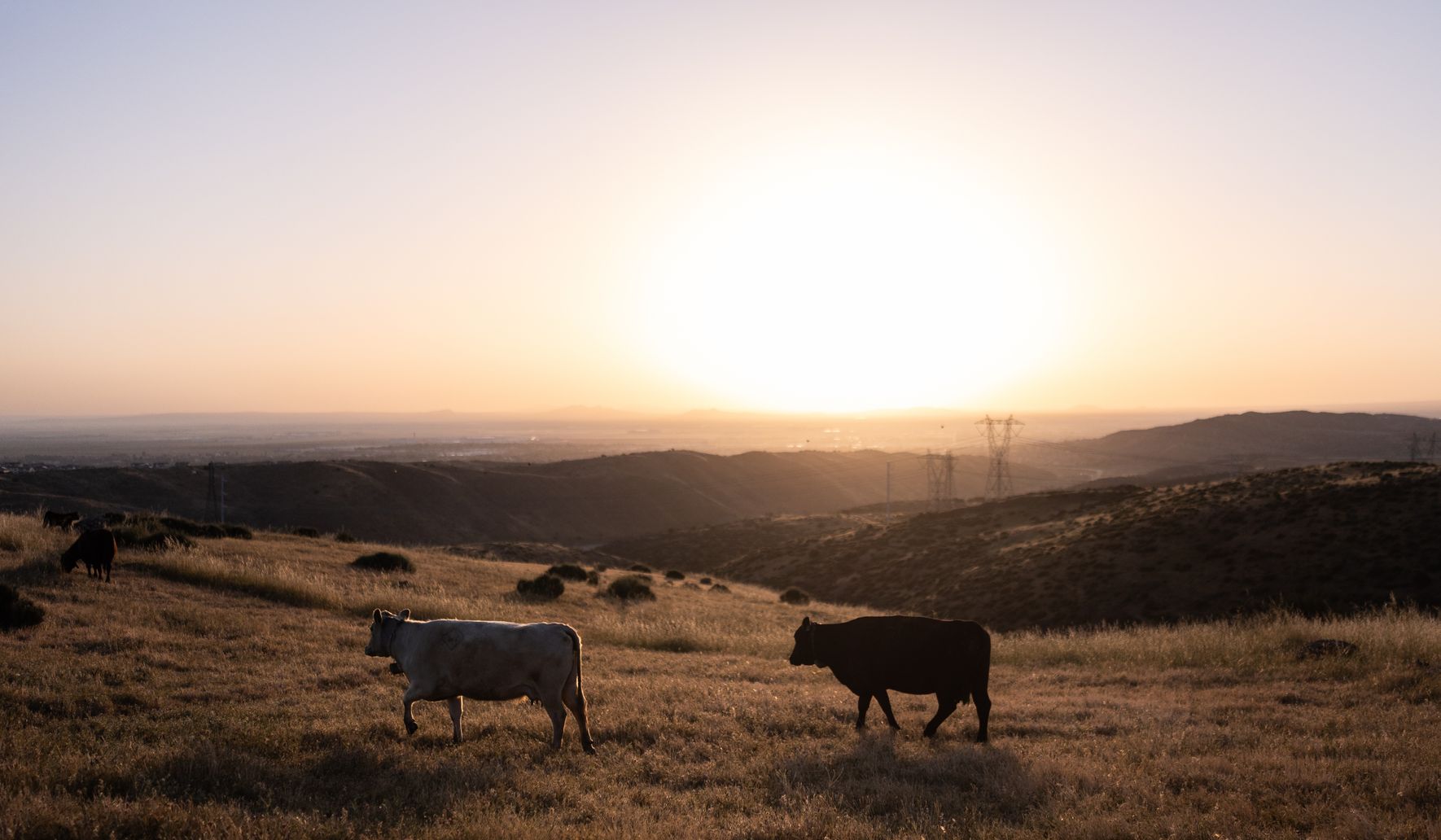
President Trump announced a pair of actions to boost cattle ranchers after his easing of tariffs on imported beef sparked a backlash.
The administration moved quickly when the tariff change drew sharp complaints from ranchers and local leaders, acknowledging the political heat and the economic pain in cattle country. Supporters say the response shows a willingness to course-correct without retreating from a broader trade strategy. Critics will keep complaining, but the core here is about protecting farmers while pursuing market-opening policies.
Ranchers faced higher competition when tariffs were eased, and the backlash made clear that policy shifts have real-world consequences for producers. The White House framed the two measures as targeted relief meant to stabilize markets and restore confidence among producers who felt blindsided. From a Republican perspective, the goal is balanced: preserve trade momentum but not at the expense of American workers and family farms.
One of the announced steps focuses on direct support for ranchers who saw immediate disruption from the tariff move, designed to offset short-term losses and prevent herd liquidation. That kind of targeted help lets producers weather a sudden swing without creating long-term dependency on government payments. Conservatives argue such relief should be temporary and tied to clear outcomes so it helps recovery and not permanent reliance.
The second action emphasizes market support measures to smooth demand for U.S. beef and shore up domestic prices, aiming to keep ranchers competitive while markets adapt. Practical tools can include federal purchases for nutrition programs and encouraging private-sector contracts that stabilize demand, but the emphasis is on market-based fixes that restore buyer confidence. This approach aligns with conservative principles by leveraging government where necessary but pushing for private-sector solutions to take the lead.
Political leaders in rural districts seized on the move as proof that pressure from constituents matters and that Washington can be responsive. Republicans welcomed the president’s willingness to listen and to take fast, accountable steps rather than letting frustration fester. That responsiveness is central to winning back trust in places that feel left behind by national policy decisions.
Economically, the administration faces a delicate balancing act: keeping trade channels productive while ensuring domestic producers are not sacrificed for the sake of diplomacy or lower prices. The tariff easing was meant to smooth relations and open markets, but policy is rarely risk-free, and quick fixes became necessary. The announced twin actions were positioned as pragmatic patches to keep the broader trade agenda intact without abandoning American ranchers.
For ranch families operating on thin margins, predictability matters more than political statements, so the timing and clarity of any aid or market intervention are crucial. The White House stressed that aid would be transparent, temporary, and focused on preventing forced sales that damage long-term herd viability. That kind of conditional assistance respects taxpayers and prioritizes industry recovery.
This episode also highlights a key Republican talking point: smart leadership means correcting course when a policy causes harm, not doubling down on mistakes. By acknowledging the backlash and announcing concrete measures, the administration aimed to show shoulders broad enough to carry both a pro-trade stance and a pro-worker safety net. Voters in farming country will be watching whether the actions actually result in steadier prices and renewed trust.
Longer term, ranchers want structural solutions that reduce vulnerability to sudden policy shifts, including clearer consultation processes and faster, predictable relief mechanisms when international decisions ripple back home. The trade-offs will keep surfacing as markets and geopolitics move, so establishing durable policies that protect producers without isolating U.S. interests is essential. The recent announcement is a reminder that practical politics in rural America often requires blending market freedom with immediate, limited government support.

