

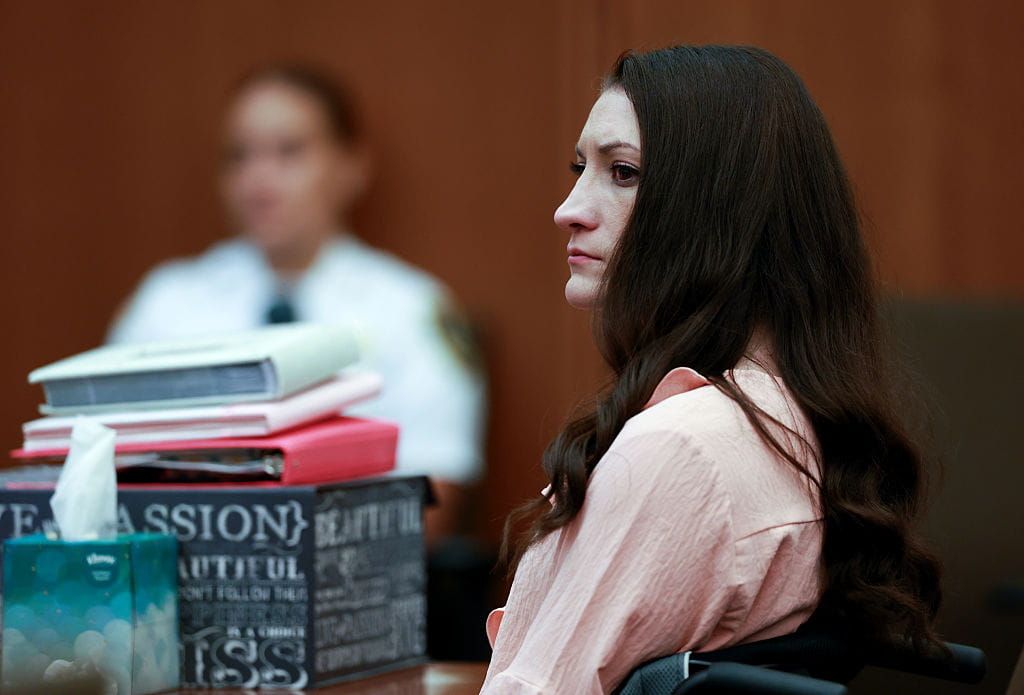
The Lindsay Clancy trial hit a sudden wall when jurors, days from a decision, reported a single holdout could swing the outcome; what had looked like a close finish turned into a stalled process as lawyers and the judge debated next steps.
“So near a verdict, and yet so far away.” Jurors told court officials they had been moving toward a decision before one member resisted the majority view. That lone juror’s questions and doubts forced a pause, shifting the courtroom’s energy from certainty to uncertainty.
Deliberations had advanced enough that observers expected a verdict within days, but the process requires unanimity and that single holdout changed everything. The delay highlights how fragile jury consensus can be, even when other members think the facts point clearly one way. It also underscores the sheer power any individual juror holds in a criminal trial.
Prosecutors argued their case with a focus on the evidence and the legal standard of intent, pressing that the facts supported conviction beyond a reasonable doubt. Defense attorneys countered by emphasizing ambiguity and alternate explanations that, they said, left room for reasonable doubt. Both sides now face the tactical puzzle of persuading a single juror without unfairly influencing the rest of the panel.
The judge has several options when deliberations stall: additional instructions to the jury, further deliberations, or declaring a hung jury and possibly ordering a mistrial. Each path carries trade-offs for both sides — extra jury guidance risks appearing coercive, while a mistrial means the whole process may restart and the case remains unresolved. Lawyers on both sides are watching those procedural choices closely.
For jurors, the pressure is intense. They must balance personal judgment with legal obligation, and that tension grows as hours of evidence pile up. A holdout juror might be genuinely unpersuaded or may simply need more time and clarification. Whatever the reason, the result can reshape trial strategy and public perception.
Courtroom observers noted that the mix of testimony and expert material often leaves juries wrestling with competing narratives rather than clear-cut proof. When experts clash or accounts diverge, jurors have to decide which version of events holds together. That process is messy, human, and sometimes unpredictable, which is why a single juror can redirect an entire trial.
Outside the courthouse, reactions are mixed and emotions run high among those paying attention, but the legal mechanic remains neutral: the system demands unanimity in many criminal matters. That requirement protects defendants by ensuring convictions reflect collective certainty, yet it can also prolong pain for victims and families awaiting closure. The balance is deliberate and contentious.
In practical terms, the next step will be for the judge to speak with jurors and determine whether further instructions or deliberations can break the impasse. If not, the court may declare a mistrial and the prosecution must decide whether to retry the case. Those choices will shape not only this trial’s timeline but also how both sides prepare for any future courtroom fights.
Public attention will likely follow whatever outcome emerges, because high-profile trials become reference points for debates about evidence, jury behavior, and courtroom fairness. The case’s pacing — and the fact that it pivoted on a single juror — will be studied by lawyers, reporters, and citizens alike as a reminder that verdicts are the product of human judgment within a rigid legal framework.
Lindsay Clancy — (Photo by Jonathan Wiggs/The Boston Globe via Getty Images)

