

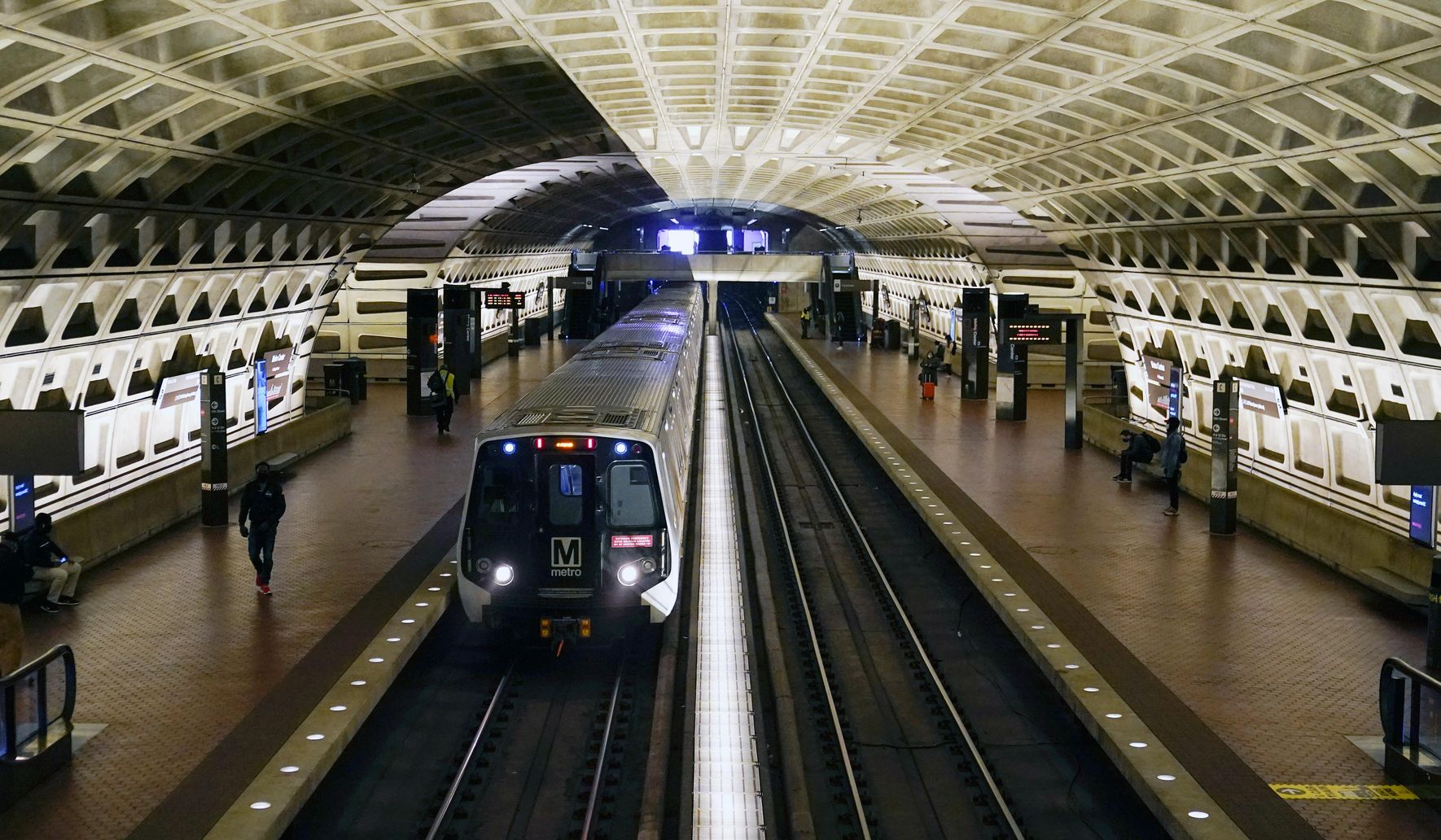
The Grosvenor-Strathmore, Medical Center and Bethesda Metrorail stations on the Red Line are reopening Monday after months of work that finished on time and within the budget.
The three stations along the Red Line were closed for an extended period while crews completed a planned set of upgrades and repairs, and that work wrapped up on schedule. Officials report the project delivered the promised results without exceeding financial limits, a milestone for a system with frequent maintenance demands. Riders and nearby communities can expect regular service to resume as the transit agency transitions back to normal operations over the coming days.
The scope of the renovation covered a range of tasks typical for major station work, including structural maintenance, track and platform attention, and systems checks that are critical for safe daily operations. While specific technical details were handled by engineering teams, the overall focus was ensuring reliable service and minimizing future disruptions. Maintaining older transit infrastructure requires periodic, concentrated efforts like this to keep trains running and stations safe for tens of thousands of daily travelers.
Grosvenor-Strathmore serves the North Bethesda area and functions as a key access point for commuters heading toward downtown and suburban job centers, while Medical Center provides direct transit support to the National Institutes of Health and nearby medical facilities. Bethesda is a busy, high-ridership station that connects shoppers, workers and residents to the core of downtown Bethesda. Restoring service at all three stations removes a bottleneck for riders who adjusted their commutes during the closure and restores the usual flow along a major corridor.
During the months of work, passengers relied on temporary alternatives that changed travel patterns and timetables across the Red Line corridor. Those arrangements were intended as temporary fixes while crews completed concentrated work windows, and reopening will simplify commutes for a broad mix of daily riders. Transit agencies often have to balance short-term inconvenience against the long-term gains of safer, more dependable service, and the completion of this project is a clear example of that trade-off.
Finishing on time and within budget is notable for public infrastructure projects, which can be complicated by weather, supply constraints and the technical demands of rail systems. Staying within financial targets means that funds allocated to this work remain available for future priorities and that the agency avoided costly overruns that can delay other needed projects. Efficient management of this scope of work preserves taxpayer value and allows planners to move forward with the next rounds of maintenance and improvements.
Technicians left behind upgrades intended to reduce the frequency of emergency repairs and to shorten the time required for routine inspections, all of which contributes to overall system reliability. Improvements to signaling, drainage, and platform conditions can have outsized effects on daily operations, cutting down on delays and on-the-spot fixes that interrupt schedules. These technical gains are less visible than shiny new stations, but they are essential for keeping trains on time and passengers moving safely.
Local businesses and institutions around the three stations will notice a return to normal foot traffic now that trains are stopping again at their usual platforms. For merchants, restaurants and services that lost regular customers during the closure, the reopening is an immediate and practical improvement. For medical centers and research campuses, the restored transit link reconnects employees and visitors to a dependable transit option that supports daily schedules and appointments.
Looking ahead, this completed work will be one chapter in an ongoing program of maintenance and upgrades across the rail network, where periodic closures and concentrated projects are a predictable part of long-term care. Agencies face a continuous cycle of inspections, repairs and modernization to keep older systems safe and functional, and the successful wrap-up of this set of station projects helps demonstrate how coordinated planning produces measurable results. Riders should see the practical benefits in smoother commutes and fewer unexpected interruptions as service stabilizes across the affected segment.

