

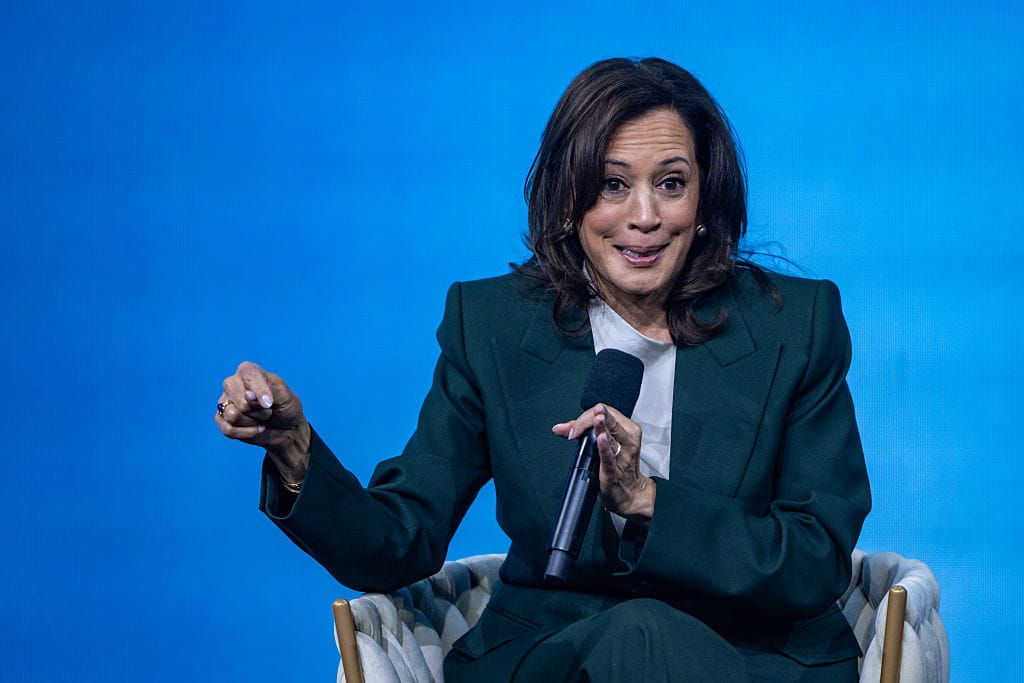
Many Democrats are quietly steering clear of Kamala Harris on the 2026 trail, even as she steps up her campaigning and considers another presidential run in 2028.
After 2024, a lot of Democratic candidates treat Kamala Harris like a political liability rather than an asset. She’s pushing back into the midterm scene, offering endorsements and planning appearances, but the reaction is mixed. Some campaigns welcome her help, while others want no part of it.
Harris is lining up a canvass launch in Las Vegas with Nevada Attorney General Aaron Ford, and Ford called it what “anyone who is interested in 2028 should do.” She also publicly backed Rep. Chris Pappas in New Hampshire and has inserted herself into three House contests, two in California and one in Tennessee. Those moves show she’s trying to stay relevant and useful to the party.
But several Democratic hopefuls are pushing back hard. Iowa Senate hopeful Josh Turek answered reporters simply: “No.” Rob Sand, running for governor in Iowa, said he did not want Harris or Biden at his events, and Alaska’s Mary Peltola declined a fundraising solicitation Harris sent on her behalf.
Rebecca Cooke in western Wisconsin put it bluntly in a statement: “I received 9,000 more votes than Harris in 2024. I don’t need anyone to come and campaign with me in my district. I do the work of building relationships – including across the aisle – on my own.” That kind of independence matters in swing districts where perception of electability trumps celebrity endorsements.
When asked about those refusals in an interview with MS NOW’s Peter Alexander, Harris offered a cool acknowledgement: “I would expect nothing less,” she said, and added she looks forward to campaigning where she’s wanted. She didn’t retreat from the basics either, reminding listeners that, “Bottom line, we need to win.” That’s party-speak, but the reality is more complicated.
She’s also keeping her options open on 2028. When pushed earlier this year, Harris replied, “I’m thinking about it.” Betting-market snapshots show a rough lane ahead: Polymarket puts Harris at 10% for the 2028 Democratic nominee, behind Jon Ossoff at 20%, Alexandria Ocasio-Cortez at 19%, and Gavin Newsom at 16%. In broader win projections she ranks much lower, with several names, including Michelle Obama, ahead of her and even Donald Trump placed a couple spots higher despite his constitutional ineligibility.
From a Republican point of view, the calculus is straightforward: even if Democrats retake one or both chambers, their ability to enact ambitious priorities is limited without a friendly White House. A House majority and a Senate majority still won’t substitute for a presidential signature, and without a filibuster-proof majority they can’t juggle everything they’d like. That reality makes midterm gains politically valuable but not transformative for long-term Democratic plans.
So many Democratic campaigns are making pragmatic decisions: reject public appearances from a figure voters associate with past failures, and emphasize local ties and competence instead. The Iowa and Wisconsin examples show that local dynamics often outweigh national star power. For candidates in tight districts, avoiding baggage can be the difference between winning and losing.
Harris keeps campaigning and will continue to pitch in where she’s invited, aiming to salvage influence and keep a place in the conversation. Her insistence on being useful and her talk of 2028 keep options open, but the ground reality is unforgiving. Voters and activists have short memories for promises and long memories for baggage.
She’s at least admitted, publicly, that not everyone wants her on the ticket or the trail, and that recognition matters politically. Whether that awareness turns into a different approach or simply more selective appearances is what will determine how much sway she actually retains. For now, Democrats are managing the risk of association one campaign at a time.

