

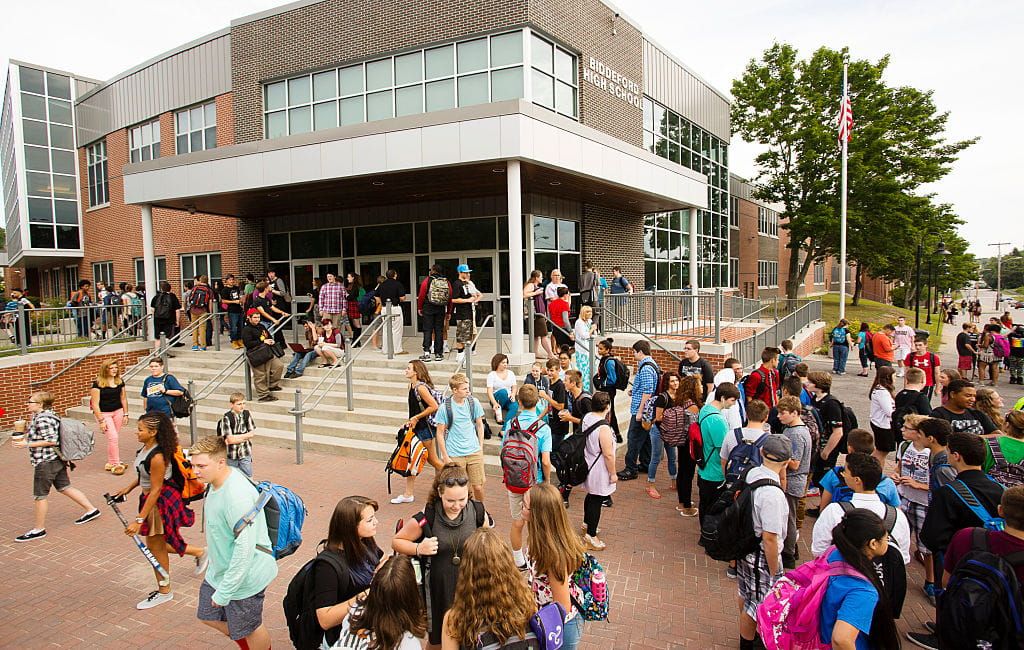
US School Kickoff: What’s in Store May Surprise You. Money talks, Greek Life shocker, and other weird things.
Back-to-school season is shaping up to be a lot more than sharpened pencils and fresh backpacks this year. Budgets, campus culture, and a handful of odd trends are steering how districts, colleges, and families prepare to reenter classrooms. The result is a kickoff that will look familiar in some places and strikingly different in others.
Money is the loudest signal right now, and not just because districts are wrestling with limited state and local dollars. Private donations, corporate partnerships, and grant money are steering which programs survive and which get cut. Where the money goes ends up steering priorities, from athletics to advanced placements to basic maintenance.
That tug-of-war creates quick winners and slow losers: schools that attract outside funding can pilot new tech or specialty tracks, while others stretch textbooks and custodial supplies thinner than ever. Community foundations and big donors are deciding, quietly, which classrooms get extra resources. The uneven playing field is becoming a defining feature of the fall semester.
Greek Life, long a college staple, is also facing unexpected shake-ups that are changing student life in real time. Some campuses report resurgent interest in fraternities and sororities as students seek social anchors after years of hybrid learning. At the same time, stricter oversight and new membership rules have forced chapters to retool traditions and recruitment tactics.
Those changes are producing strange combinations: alcohol-free events next to legacy rush parties, and fraternity houses repurposed for study spaces during the day. Administrators are trying to balance student safety, liability concerns, and the social energy these groups bring. The result is a Greek scene that looks different depending on which campus you visit.
Meanwhile, classroom culture is getting nudged by a mix of policy tweaks and generational shifts in expectations. Teachers are juggling curriculum mandates, pandemic-era learning gaps, and heightened attention to classroom climate. That mix can make lesson planning feel like athletic training: strategic, improvisational, and constantly adjusted on the fly.
After-school programs and sports are not immune to budget drama either, with some districts prioritizing code and tech over recreation. Where funding is tight, administrators are rethinking staffing and scheduling to keep essential activities alive. In wealthier districts or those with strong booster networks, the extracurricular calendar still looks full and robust.
Technology is another major player this season. Schools are deploying more classroom tech than before, with mixed results on privacy and practical benefit. AI tools, streaming platforms, and learning-management systems promise efficiency but also raise questions about data, equity, and teacher autonomy. The promise is real, but so are the trade-offs.
Parents are more involved and more opinionated than in past years, which is reshaping how decisions are made at the schoolboard level. School choice conversations, volunteer efforts, and PTA pressure are all part of the new normal when it comes to shaping policy. That civic energy can be constructive, yet it also amplifies friction over everything from textbooks to superintendent contracts.
For teachers and administrators, the kickoff means adapting quickly: juggling schedules, managing expectations, and making do with what’s on hand. Staff shortages and overtime costs complicate an already complicated return, but many educators still approach the term with pragmatic optimism. The school year is a live experiment in resource allocation, community priorities, and everyday problem-solving, and the opening weeks will set a tone that ripple through the months ahead.

