

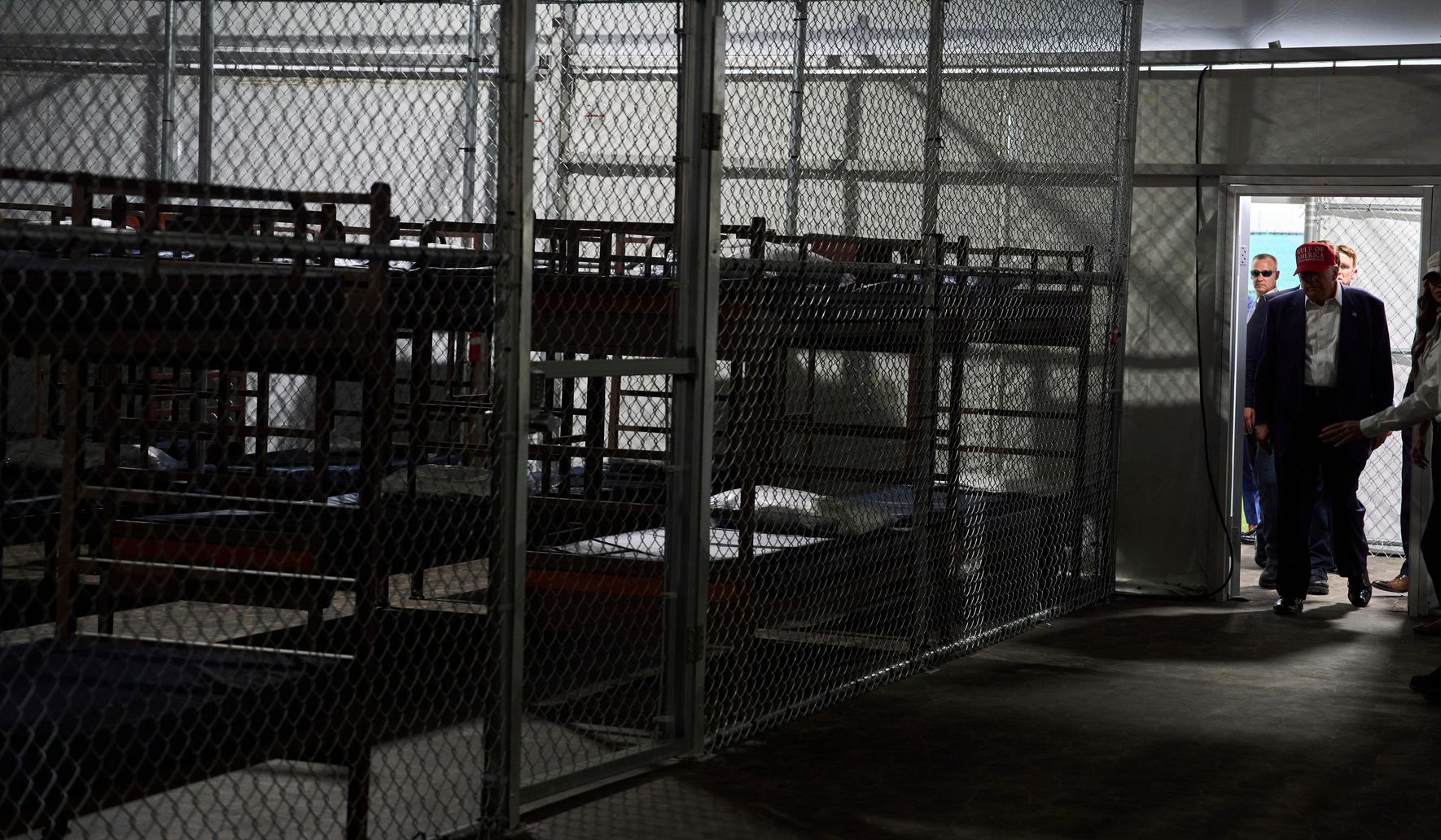
Two former guards at Florida’s now-closed “Alligator Alcatraz” immigration detention facility are charged with battery of an inmate, court records show.
Two former guards who worked at the Florida immigration detention center nicknamed “Alligator Alcatraz” now face criminal battery charges, according to court documents. The facility is closed, and the charges allege physical misconduct against a person in custody. Those core facts come straight from public filings and set the legal story in motion.
Battery charges connected to custodial settings usually hinge on whether force was unnecessary or excessive, and prosecutors will need to prove intent and harmful contact. In many jurisdictions, battery can range from a misdemeanor to a felony depending on severity and injury. The filings in this case will guide whether the matter stays criminal, leads to civil suits, or triggers administrative sanctions.
The nickname “Alligator Alcatraz” has circulated in reporting and public discussion about the site, reflecting local shorthand for a detention complex with a tough reputation. The description does not change the legal standards that apply to staff conduct while overseeing detainees. What matters now is what the court records detail and how officials choose to proceed.
Incidents like this commonly spur additional reviews beyond the immediate criminal case, including internal probes by contractors, agency oversight reviews, or state and federal inquiries. Public documents like the charging papers are part of that transparency, and they guide both defense strategy and any institutional follow-up. Those separate processes can overlap or unfold independently of the criminal docket.
For the accused, the next steps in the criminal system typically include arraignment, potential bail determinations, and the opportunity to enter a plea. Defense lawyers may seek discovery, challenge evidence, or negotiate resolutions, while prosecutors will evaluate witness statements, surveillance, and medical reports. Court timetables and procedural rules will shape how quickly the charges advance.
Detainee advocates and watchdog groups often watch cases involving alleged abuse in custody closely, pushing for accountability and policy changes where patterns emerge. Allegations of physical mistreatment feed broader debates about conditions, staff training, and contractor oversight in detention settings. Those public conversations can influence lawmakers, agency leaders, and contract managers even as legal proceedings move forward.
The closure of a detention site can complicate record-keeping and institutional memory, but it does not erase potential criminal liability for former employees. Investigators rely on preserved records, witness statements, and any available video or physical evidence to build cases. The preservation and accessibility of those materials will matter a lot if the prosecution pursues a trial.
For observers focused on operational accountability, the case highlights questions about hiring, supervision, and how staff conduct is monitored in facilities holding noncitizens. Contracting arrangements and oversight mechanisms vary, and episodes of alleged misconduct tend to prompt reviews of those systems. As the legal process unfolds, institutional reforms or policy shifts could follow if deficiencies are identified.
Public court records are the primary source for the allegations and any factual specifics that emerge, and they will remain central to how the case is understood. Media coverage will likely track filings and court appearances as the matter proceeds. Ultimately, the charges filed against the two former guards will move through the judicial process and produce a public record of the steps taken.

