

Lithuania says its spies uncovered a Russian plot to damage the infrastructure that links the Baltics to Europe, and the foreign minister has publicly warned about the threat. This episode sharpens the debate over deterrence, intelligence sharing, and how allies should respond to hostile state behavior.
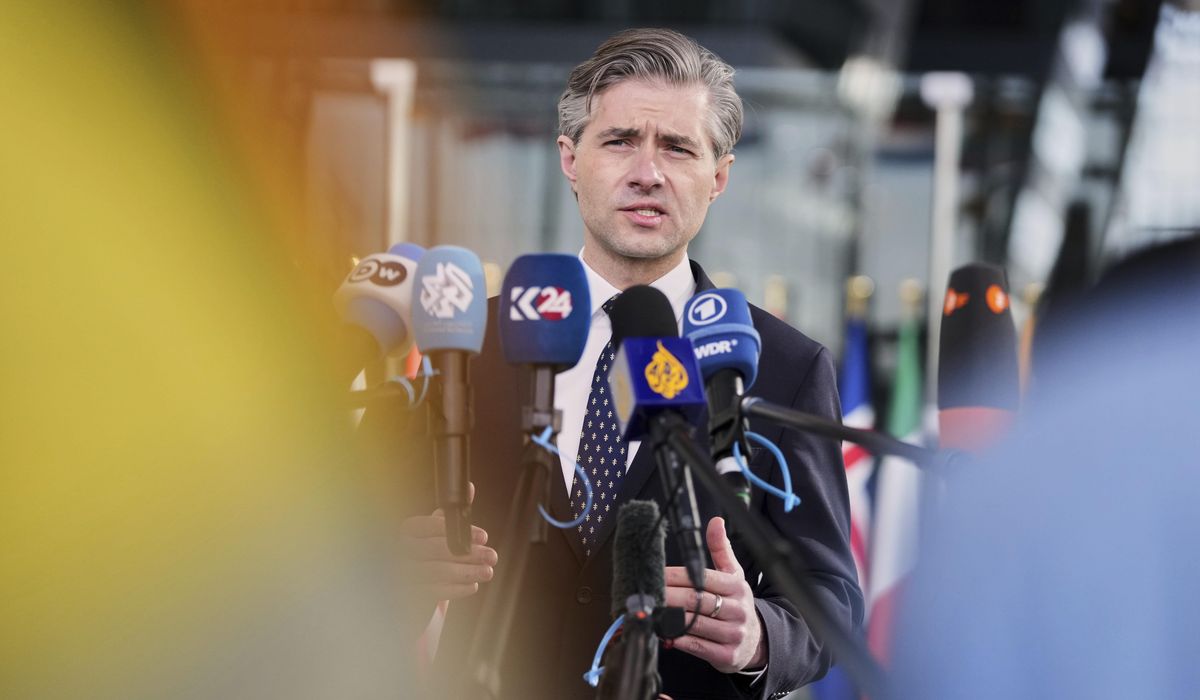
Days after Lithuania said its intelligence services had caught Russia preparing sabotage against the infrastructure that ties the Baltics to Europe, Foreign Minister Kestutis Budrys drew a public line. The allegation is serious: critical connections for trade, energy, and movement across the region were reportedly targeted, not by shadowy criminals but by a state actor. That escalates the conversation from isolated incidents to a coordinated threat to allied logistics and sovereignty.
For those who favor a clear, muscular posture, this is textbook proof that deterrence matters. When adversaries see weakness or indecision they test boundaries, and infrastructure is an attractive target because damage there is asymmetric and disruptive. European capitals and Washington need to treat sabotage as an act that can ripple through economies and military readiness, so it cannot be the thing we shrug off.
Intelligence-sharing between allies must be fast and direct, not bureaucratic and delayed. Lithuania’s disclosure underscores how timely information can blunt an operation before it starts or at least limit damage. NATO partners should tighten coordination on protective measures for rail, roads, ports, and energy lines that serve as the arteries of both commerce and defense.
Hardening physical infrastructure is only part of the job; legal and economic measures matter too. If a state sponsors sabotage, the response should be calibrated to impose real costs, not symbolic condemnations. Sanctions, targeted seizures, and denying transit or access can be credible tools when paired with documented evidence and allied unity.
There is also a messaging battle here that has domestic consequences for allies. A government that demonstrates resolve reassures citizens and private operators who run critical systems. Conversely, mixed signals about willingness to respond invite further probing by adversaries who assume operations will continue until deterrence is restored.
Military options exist, but they are last-resort instruments and require careful political and legal planning. Practical steps include more frequent exercises that simulate attacks on logistics, expanded civil defense planning, and incentivizing private infrastructure owners to upgrade security. These are practical, bipartisan measures that protect lives and commerce while avoiding immediate escalation.
Long-term resilience demands investment and clarity of purpose from allied capitals. That means funding resilient transport and energy networks, improving redundancy, and ensuring contingency plans are realistic. It also means a political consensus that certain lines of behavior are unacceptable and will bring proportionate responses.
In the end, the episode in the Baltics is a reminder that modern conflict blends espionage, sabotage, and political pressure, and it will test whether allies act with speed and strength. Protecting the fragile links that keep Europe connected requires both smart intelligence and a backbone in policy that deters further aggression.

