

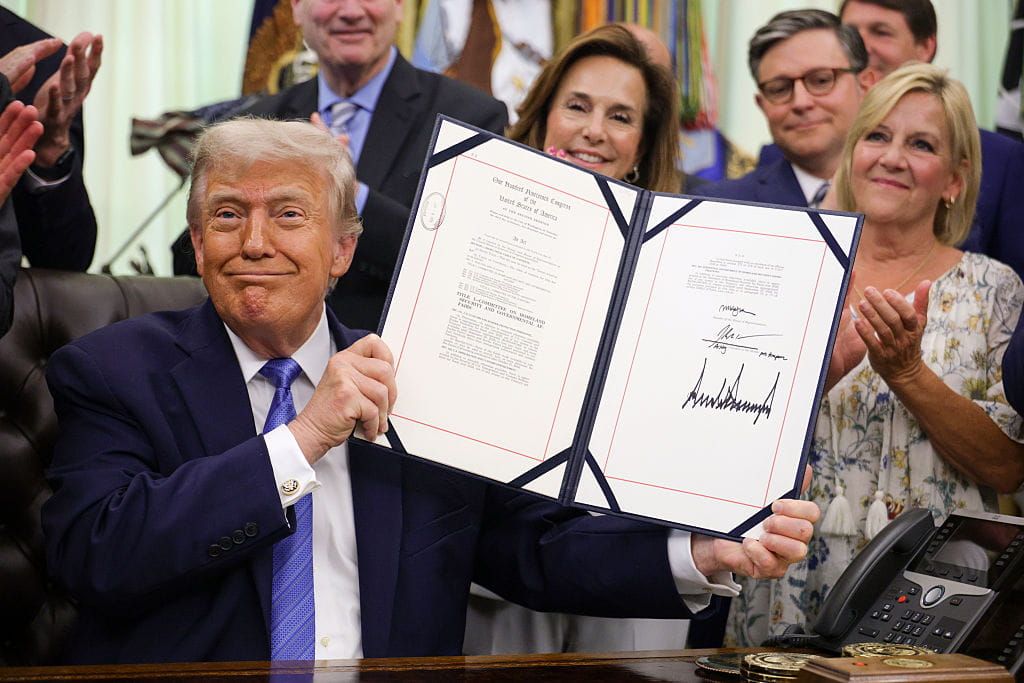
President Trump forced his second reconciliation win through a divided Republican Congress and is now pressing for a third effort, testing GOP unity ahead of the midterms and reshaping the party’s legislative playbook.
The second reconciliation push showed how badly the party wanted wins and how much influence one strong leader can wield over a fractious conference. Members who once resisted found themselves calculating political survival against the benefits of a headline victory. That dynamic matters because Washington still responds to success, and a third round could produce another set of defining policies.
Reconciliation is a blunt instrument, but it works when the regular legislative process stalls. It bypasses filibusters and forces a simple majority for budget-related items, making it ideal for an administration with a narrow pathway to policy. What Trump has demonstrated is an appetite to use every available tool to lock in priorities rather than wait for mythical consensus that never arrives.
Trump’s push is not just about policy details; it’s political theater that tightens the bond between base voters and their leaders. Winning through reconciliation sends a simple message: deliver results or face consequences. That message resonates in the heartland where voters measure politicians by what they accomplish, not by what they promise.
Expect the third reconciliation to prioritize the issues most likely to move votes: border security, entitlement reforms, tax certainty, and regulatory rollbacks. These are concrete areas where Republicans can claim meaningful change. Packaging them under budget rules keeps the legal pathway clear and forces Democrats into a simple choice for voters to judge.
There will be pushback inside the conference from people wary of political risk and from those who prefer a slower, piecemeal approach. Senators and House members balancing fragile margins and local concerns will make the math messy. Still, the same risk calculus that produced the first two wins can push uneasy colleagues over the line if the political upside looks real.
Strategically, a third reconciliation run is also a bet on midterm turnout and message discipline. If Republicans can point to tangible policy victories, they energize the base and neutralize some of the negative narratives. The alternative is relying on opposition arguments that emphasize process over results, which historically plays poorly with voters who want government that works.
There are legal and procedural limits, and reconciliation cannot address every priority, but that constraint is part of its appeal: it forces focus. A tight bill makes political accountability cleaner, which is an advantage for a party that wants to contrast governance versus chaos. For conservatives who want durable change, using reconciliation strategically is simply pragmatic politics.
The optics of intra-party fights will matter more than the fights themselves, because voters tend to punish visible disunity. Trump’s public push tests whether his influence translates into votes that matter for vulnerable lawmakers. If it does, future leaders will likely use the same playbook to avoid paralysis and keep promises.
Republicans who fret about short-term fallout should weigh it against long-term advantages of steady policy wins that reshape the regulatory and fiscal landscape. This is a moment when decisive action can define a governing philosophy for years, not just a single campaign cycle. The choice facing the GOP is straightforward: embrace a focused, high-stakes strategy that produces results or resign itself to gridlock and missed opportunity.
For voters, the implications are simple to track: more reconciliation rounds mean bolder policy moves and clearer accountability at the ballot box. Lawmakers who support the effort can point to tangible outcomes, while opponents will have to explain why process purity matters more than practical change. In a political environment hungry for results, that answer will be remembered long after the headlines fade.

