

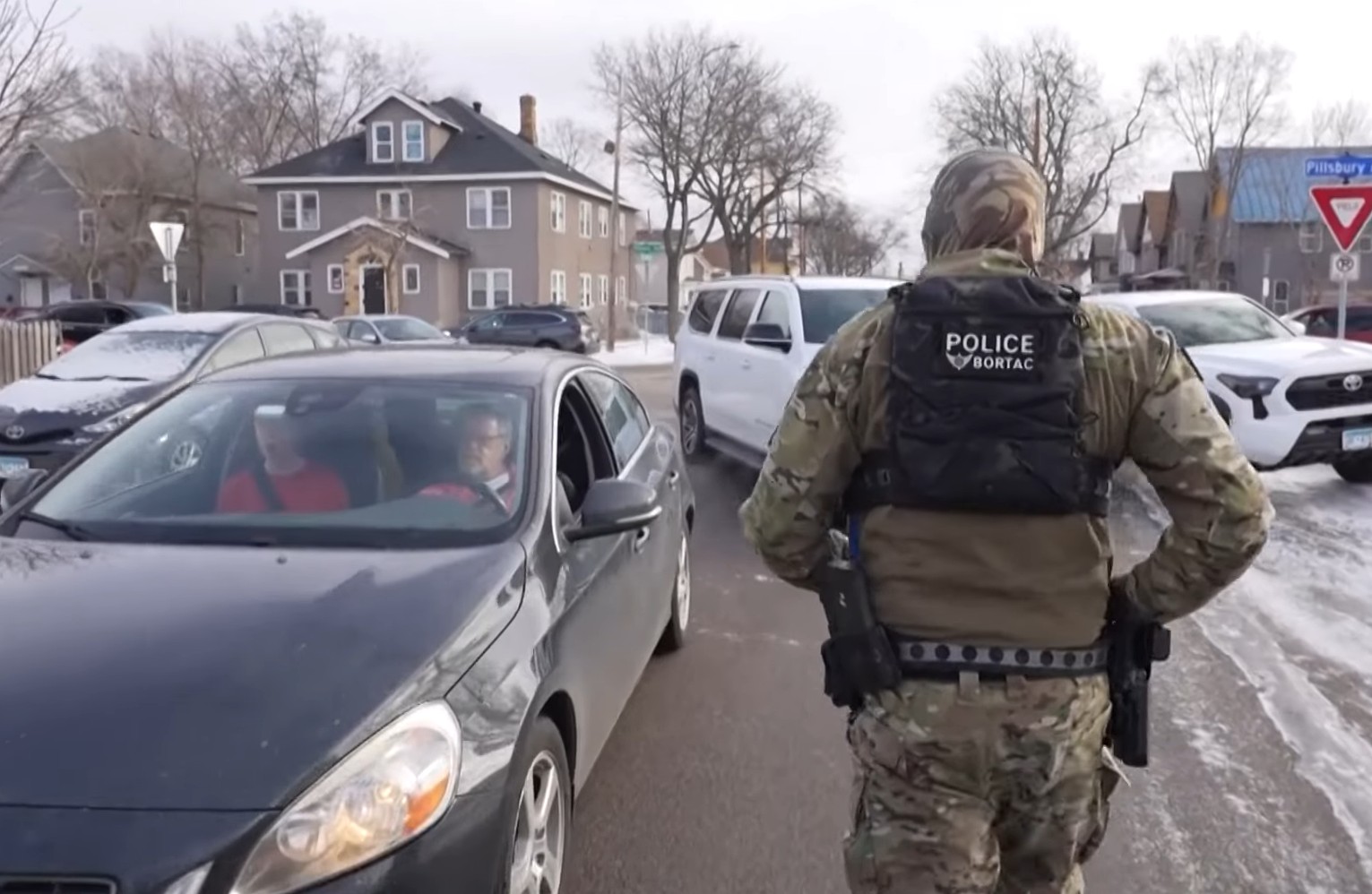
Coverage of a violent confrontation sparked a wave of false claims from far-left voices in both the media and elected office, but the agent’s documented injuries bolster the case that he acted to defend himself.
The initial public story was shaped fast and loud, with activists and sympathetic outlets leaning into a version that left out obvious physical evidence. That messaging pushed a political narrative before investigators had finished collecting facts, and it steered public opinion in a one-sided direction. The contrast between the early claims and what the injuries show is striking.
The agent’s wounds are not just a talking point for one side; they are tangible, medical facts that any fair inquiry has to reckon with. When a law enforcement officer has documented trauma consistent with being attacked, that shifts the burden back onto critics who insist on a different account. Evidence matters more than catchy headlines or performative outrage from politicians.
People in the press and in office rallied quickly to a story that suited their politics, and that rush amplified mistakes and intentional distortions alike. Those amplified claims then circulated on social platforms and in cable segments, creating a feedback loop that made reversing the false narrative harder. That dynamic costs credibility for the institutions that participated.
From a Republican viewpoint, this episode underlines a larger problem: when partisan interests override basic standards of verification, the victims of that failure are both public servants and the public itself. A police agent facing physical harm deserves a fair assessment, not a running commentary that ignores his injuries. The rule of law depends on accurate reporting, not spin.
Legal standards for self-defense are built on facts like who initiated force, the severity of any assault, and whether a reasonable person would fear for their safety. Injuries that line up with being struck, grabbed, or otherwise endangered are central to establishing those elements. So long as those facts are preserved and presented, the case for lawful self-defense becomes much clearer.
There are consequences beyond the courtroom when elected officials echo false claims. When leaders peddle misleading accounts, they erode trust in government institutions and in journalism. That erosion makes it harder for communities to accept legitimate outcomes and invites more political theater instead of sober review.
Law enforcement morale also takes a hit when agents see their colleagues demonized despite physical evidence showing they were harmed in the line of duty. Officers deserve the presumption that they will be treated fairly while investigations proceed. Public officials should let investigators do their work rather than turn investigations into political talking points.
An honest account requires separating politics from procedure: document injuries, collect witness statements, examine any available footage, and then let the facts guide the legal process. When evidence points to self-defense, the narrative should reflect that reality even if it upsets political allies. Consistent standards serve everyone better than partisan double standards.
Accountability should run both ways: when a public servant’s actions are improper, they should face consequences, and when false claims are spread by those with platforms, those claims should be corrected openly. The priority in a democratic system is truth, not victory by misdirection, and medical and physical evidence are essential tools in getting to that truth.

