

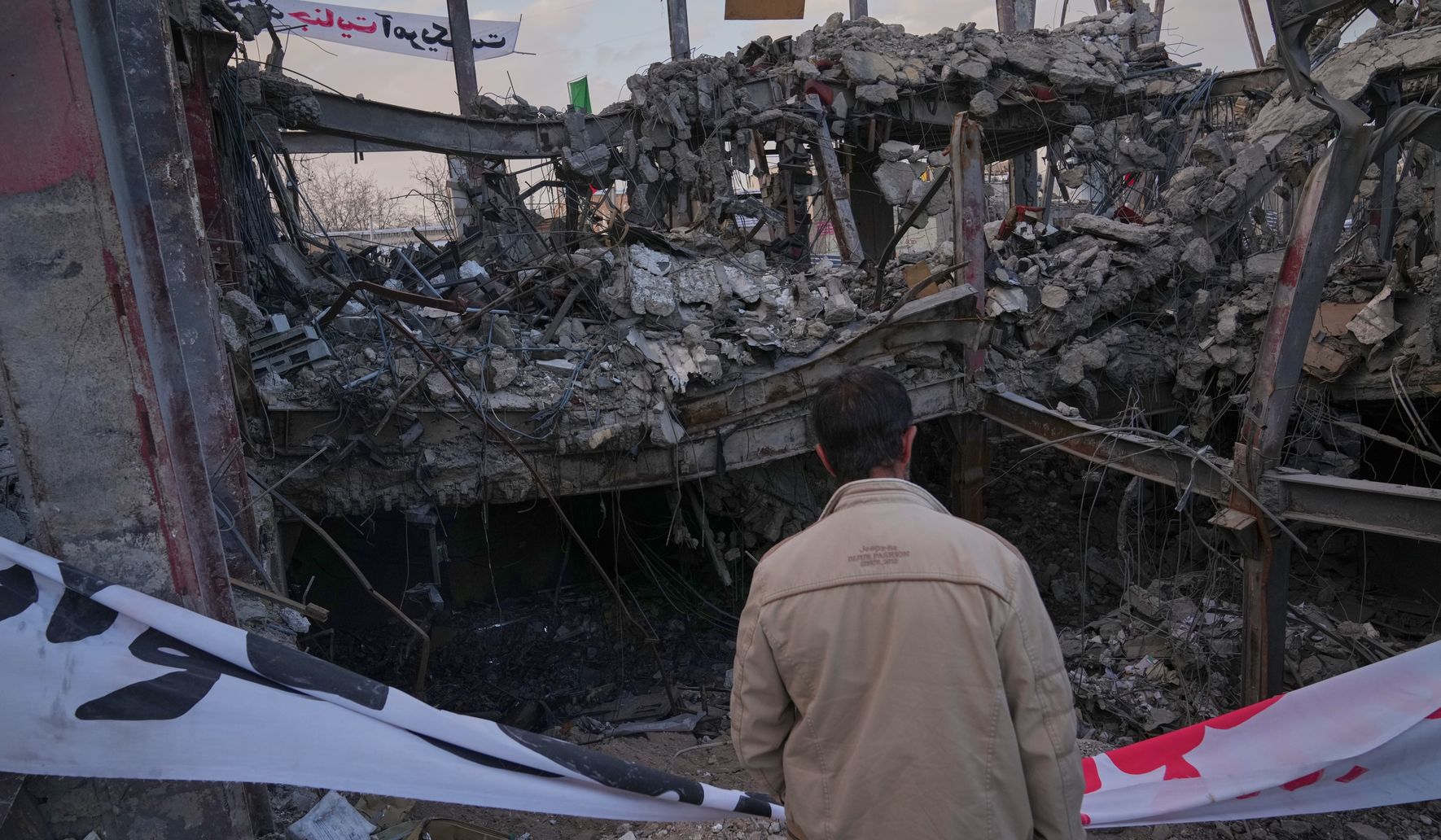
An early-morning airstrike hit a residential building southwest of Tehran, killing at least 13 people and raising urgent questions about civilian protection and regional escalation.
Reporting from Iran says that “An airstrike early Monday struck a residential building in a city southwest of Iran’s capital, Tehran, killing at least 13 people, Iranian media reported.” The image of homes turned to rubble and families shattered by a single strike is hard to ignore. In plain terms, this is a human tragedy with immediate and long-term political consequences.
Eyewitnesses describe scenes of chaos: neighbors digging through debris, ambulances racing past, and smoke clouding the skyline. Local officials are still counting the dead and injured, and hospitals are stretched thin. For communities near Tehran, the strike shatters any sense of safety inside what should be private, domestic space.
From a Republican viewpoint, the first priority is protecting the innocent and holding whoever carried out this attack accountable. Targeting residential buildings crosses a clear moral line and risks drawing more actors into a dangerous spiral. America should press for transparent investigations and refuse to normalize civilian casualties as an acceptable cost of conflict.
Beyond immediate accountability, the strike raises strategic alarms about escalation in a volatile region. When attacks reach population centers near a capital city, the stakes rise for neighboring countries and for global trade routes. Leaders must weigh how their responses will avoid widening the conflict while deterring further strikes on civilians.
Humanitarian response is urgent and practical: supplies, medical care, and secure shelter are immediate needs for survivors. International aid organizations and local relief groups should be allowed rapid access without political interference. Delays or denial of assistance only compound the tragedy and erode stability in affected communities.
Intelligence and fact-finding are essential before any policy decisions are taken, but the burden should not fall solely on friendly governments to demand answers. Independent monitors and neutral observers need secure access to document evidence and testimonies. Clear, timely reporting will help prevent misinformation from inflaming tensions on all sides.
Politically, the attack puts pressure on Western and regional allies to clarify red lines. Democracies must be consistent when condemning strikes that strike family homes and civilian infrastructure. If condemnation is uneven, bad actors will read hesitation as license to act with impunity.
At the same time, any response must be calibrated to avoid making ordinary people pay for the choices of their leaders. Sanctions, diplomatic moves, and defensive postures should target military and political actors responsible for aggression, not the civilians caught in the middle. Smart policy saves lives and reduces the risk of further bloodshed.
Longer term, incidents like this underline the need for stronger protections for civilians under international norms and more robust mechanisms to enforce them. Regional security depends on predictable behavior and consequences for violations. Nations that value liberty and human life have a stake in defending those principles and supporting the victims who suffer when those rules break down.

