

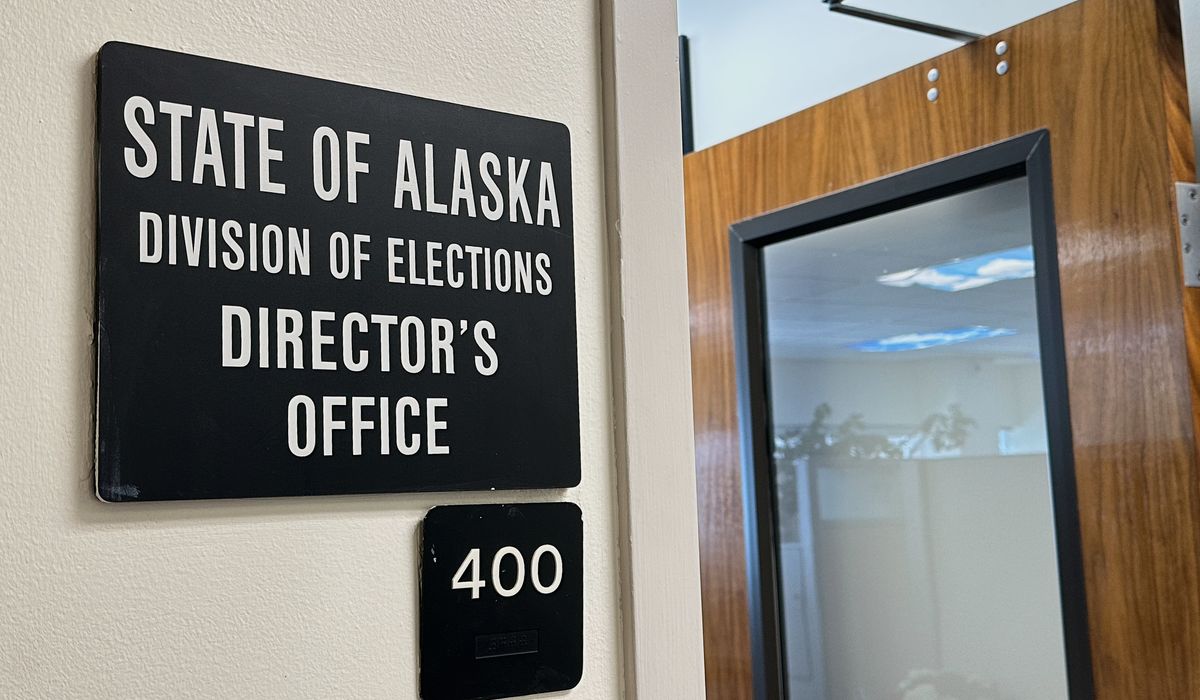
The state has sent more than 3,000 letters to Alaska voters asking them to verify their citizenship ahead of the Aug. 18 primary, a number a top state elections official said is unusually high.
This flap over verification letters landed in voter mailboxes just weeks before the Aug. 18 primary, and it raises two clear, practical questions: why did so many voters get flagged and how will the state handle the fallout? Officials say the volume is out of the ordinary, and that fact alone demands answers from the agencies responsible for voter rolls. Voters deserve accuracy, and taxpayers deserve to know why systems used to confirm eligibility are producing so many alerts.
The mechanics behind these notices usually involve data matches between voter records and other government databases. When a mismatch appears — for reasons ranging from name formatting to changes in status — an automatic letter can be triggered. That makes sense in principle, because verifying citizenship is a legitimate function of election administration, but it also creates room for mistakes that can wrongly target lawful voters.
From a Republican viewpoint, enforcing voting rules is not about discouraging participation; it is about preserving the integrity of every ballot cast. Large batches of verification requests sent shortly before a primary risk confusing or intimidating voters who intend to comply. The state’s obligation is twofold: fix whatever caused the spike in notices and make it easy for legitimate voters to prove their eligibility without unnecessary hassle.
Election offices often blame data quality, and sometimes that blame is warranted. Databases at the state or federal level can contain outdated or inconsistent entries, and automated systems do not always account for those quirks. Still, calling this spike “unusually high” suggests a systemic issue rather than isolated clerical errors, and that distinction matters for how officials respond and report back to the public.
Transparency is the practical remedy here. A clear, public explanation of the matching criteria and the timeline for resolving disputed cases would reduce suspicion and build confidence. Voters who receive a letter should be given straightforward information about next steps and realistic deadlines, not legalese that raises panic or fear of being removed from the rolls over a simple paperwork mismatch.
Local election administrators must also protect against accidental disenfranchisement. Processes that can inadvertently block eligible voters should include safeguards like provisional ballots or provisional verification paths that are easy to follow. Ensuring access while confirming eligibility is the responsible middle ground for officials who care about both order and participation.
There are administrative fixes worth considering: targeted audits of the systems that generated the notices, improved cross-agency communication to reduce false positives, and better timing so that mass notifications don’t coincide with imminent voting deadlines. Those steps help maintain the balance between preventing fraud and keeping eligible voters in the game.
Public confidence depends on more than promises. When officials flag a problem and call the numbers “unusually high,” they need to release the underlying data, explain the methodology, and outline corrective steps. That way, voters and lawmakers can judge whether the response is adequate, and whether the same issue could reoccur closer to a general election.
Ultimately, accurate voter rolls are a bipartisan demand, but the way we get there matters. Practical fixes, clear communication, and accountability for the agencies involved will keep the process lawful and fair. Voters want elections that are both secure and accessible, and officials should act in ways that protect both principles without creating needless confusion before the Aug. 18 primary.

