

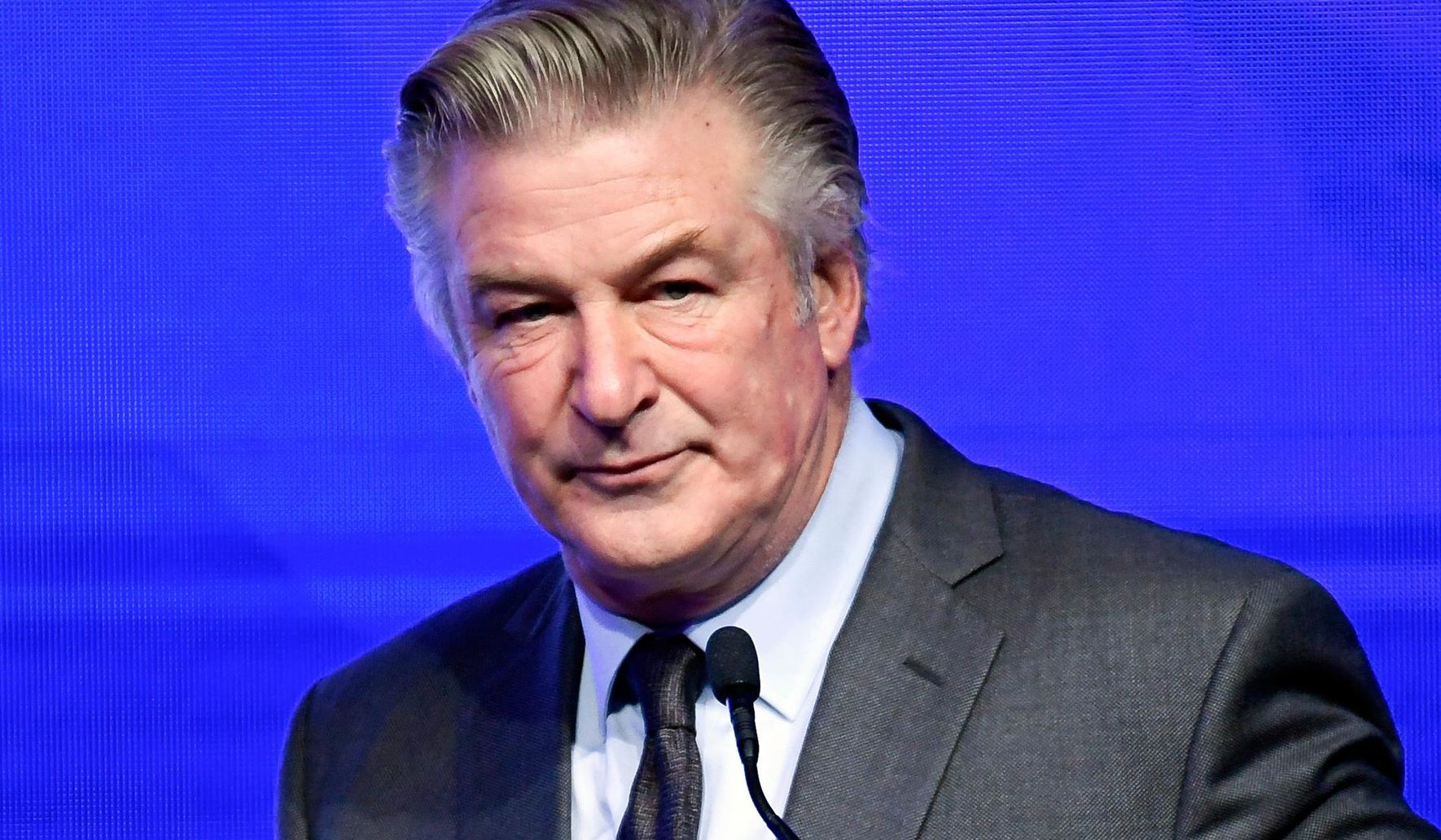
Alec Baldwin says the years-long fallout from the fatal 2021 shooting on the set of “Rust” has left him wanting to abandon acting entirely. This piece looks at how that single event reshaped his career, public perception, and conversations about on-set safety.
When the shooting on the set of “Rust” killed cinematographer Halyna Hutchins in 2021, it kicked off a cascade of consequences that keep reverberating for Alec Baldwin. The public attention and legal scrutiny that followed have made acting feel like a different world for him. What started as a tragic accident became a long, exhausting story that has dominated much of his professional life.
Beyond the headlines, the incident forced a deeper look at set procedures and accountability in film productions. Producers, unions, and studios faced tough questions about how weapons and safety protocols are handled on set. For Baldwin, those industry-wide debates translated into a very personal reckoning about responsibility and risk.
Interviews and court-adjacent coverage showed Baldwin trying to explain a chaotic moment that no one wanted to repeat. He has described the years since as a heavy burden, where every appearance and project is viewed through the lens of that day. The emotional toll of carrying that association is a major part of why he has considered stepping away from acting.
Civil claims and public reactions have kept the event in the news cycle far longer than most on-set accidents do. Families, colleagues, and viewers demanded answers, and the industry responded with policy reviews and safety pledges. Still, for people directly affected, the changes can feel slow and insufficient.
The conversation around blame and accountability has been complicated, with many voices weighing in about the roles of producers, armorer practices, and prop management. That complexity makes it hard to point to a single fix, and it leaves performers like Baldwin facing uncertainty each time they return to work. The situation has made some actors rethink how much risk they are willing to accept on set.
For Baldwin, the prospect of abandoning acting is not a sudden decision but a response to prolonged fallout that reshaped his options. Projects he might once have taken are now filtered through the reality of background scrutiny and the weight of public opinion. That shift affects not just his career choices, but also how he is perceived by colleagues and audiences.
Industry insiders say safety reforms are possible, but they require steady enforcement and cultural change across productions of every size. Training, clear chains of custody for firearms, and better on-set communication are often cited as necessary steps. Until those measures become routine, many will continue to question whether any single production can fully prevent tragedy.
Meanwhile, Baldwin’s situation highlights a broader truth: one catastrophic event can define a career, even for a seasoned performer with decades of work behind him. The personal consequences of that kind of public trauma are hard to calculate and harder to repair. For him and others in the business, moving forward means navigating legal, emotional, and practical hurdles that linger long after the cameras stop rolling.
As conversations about on-set safety evolve, so do expectations for transparency and responsibility in filmmaking. Studios and unions are under pressure to show meaningful progress, while performers weigh contracts and conditions more cautiously. The industry will likely continue adapting, but for the people closest to the tragedy, adaptation can feel like a slow path rather than a clean break.

