

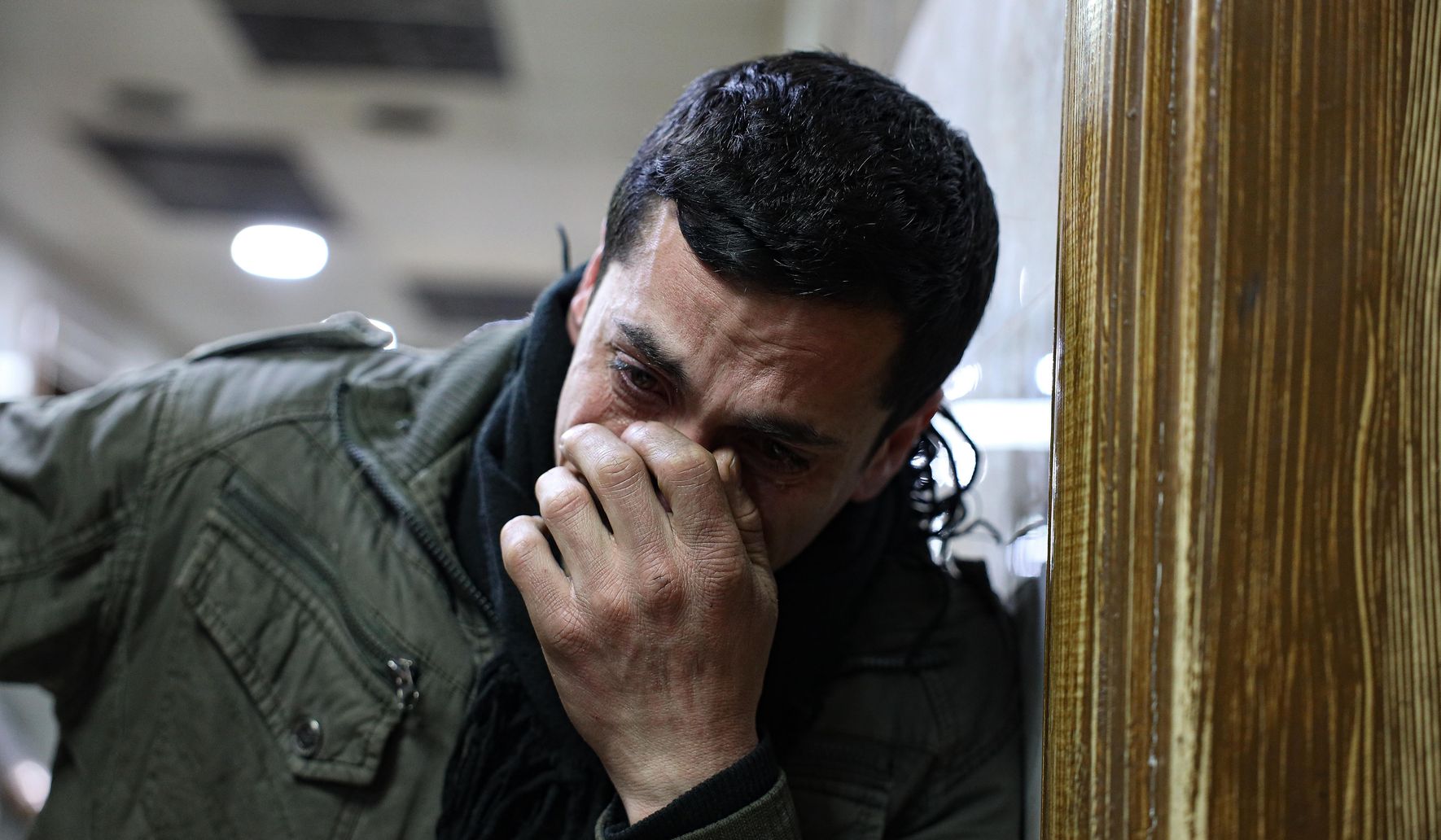
Clashes in Aleppo between Syrian government forces and the Syrian Democratic Forces left four people dead and others wounded as Damascus moves to fold Kurdish-led militias into state structures.
Violence flared in Aleppo when Syrian government troops and the Syrian Democratic Forces clashed, producing chaotic scenes on the ground and the reported toll of four people dead. The skirmish underscored the fragile truce between rival armed groups as Damascus presses to absorb Kurdish-led elements into its chain of command. Locals and observers say the incidents are a reminder that battlefield quiet does not equal stability, especially where loyalties remain split.
The Syrian Democratic Forces grew out of local and Kurdish units that fought Islamic State, and their presence in northern Syria has been a central fault line since the civil war’s early years. For many residents, the SDF became a force against extremism, while Damascus views any independent armed group as a threat to state sovereignty. That friction has driven episodic clashes as the regime seeks to reassert control in areas once outside its effective reach.
Damascus has been moving to integrate these militias, offering titles, pay and formal roles inside security organs, a process it frames as national reunification. Integration is messy, and combat between former allies or uncertain partners is a predictable outcome when chains of command overlap. The violence in Aleppo illustrates the uneven and often dangerous path from informal armed groups to centralized state forces.
For policymakers watching from abroad, the immediate question is how this fits into wider regional dynamics and U.S. interests. Republican perspectives often stress that American strategy must be clear about allies and red lines, and that unsettled ground like northern Syria demands pragmatic safeguards. Officials should measure whether support for local partners ultimately protects U.S. goals or simply raises long-term commitments without guarantees.
Turkey, Iran and Russia all have stakes in northern Syria, and each reacts differently to shifts between Damascus and local forces. Ankara has historically opposed Kurdish autonomy near its border and has used military operations to push back. Moscow and Tehran, working with Damascus, favor reintegration, but their influence does not erase local rivalries, which can erupt into violence despite high-level agreements.
Civilians pay the price for these power plays. Displacement, disruption of services and fear of reprisals follow clashes like those in Aleppo, even when they are brief. Humanitarian access is complex in contested zones, and the patchwork of control can delay aid and safe returns, worsening an already dire situation for ordinary Syrians trying to rebuild lives.
On the security front, turning irregular fighters into formal units demands training, accountability and a clear chain of command, or violence will continue to flare. The integration process also raises questions about vetting and whether former commanders with shaky records will be absorbed into official forces. Without rigorous oversight, the move risks importing old abuses into new institutions instead of stabilizing them.
Politically, Damascus benefits from absorbing militias by projecting an image of restored authority, but shallow loyalty can leave local power brokers ready to resist or flit between patrons. The SDF’s diverse composition complicates the regime’s calculations, with some units resistant to full integration and others more amenable. That mix makes peace fragile and requires sustained political as well as security work to hold any settlement together.
For American conservatives, the takeaway is practical: support for partners should come with clear objectives, a plan to protect civilians, and a willingness to recalibrate when local realities change. Short-term tactical gains must not become open-ended obligations without clear returns. The clashes in Aleppo are a small but telling episode in a long, unfinished conflict that demands sober, results-oriented policy rather than wishful thinking.

